All posts by Lodge Guide

A once in a lifetime photo

Click to enlarge then click again

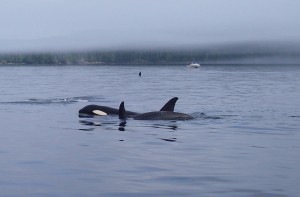
Many really interesting wildlife photos are the result of the right place and right time.  And many more you do not know that you have until they are enlarged on a computer screen. This photo was taken when several orca passed beneath the boat and I snapped a series of photos with my fingers crossed. The enlargement shows a calf tucked by its mother’s side. As a mother swims quickly through the water, she forms something called a ‘slipstream’ next to her body as the water rushes past her. If the baby is inside this slipstream, he or she will be carried along with mom.
 

June Black Bear Cubs

Click to enlarge then click again

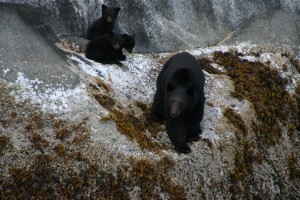
Whenever we are on the water for a day whether it is a grizzly bear tour, whales watching trip or the extra day at the river we are always scanning the shore for wildlife. Frequently the wildlife found is black bears. On this trip in late June it was a mother and cubs that are about six months old. Two things are interesting the first being that there are three cubs. Triplets for a black bear are rare the common number being one and twins occasionally. The second is all the white on the rock where the barnacles have been removed. Bears come to the shore in search of protein and scraping off and eating barnacles is one source.  This appears to be one of their feeding areas.


Sealion or dolphin?

Click to enlarge then click again

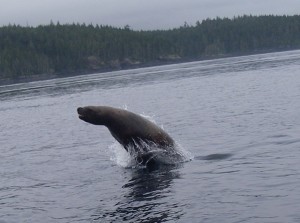
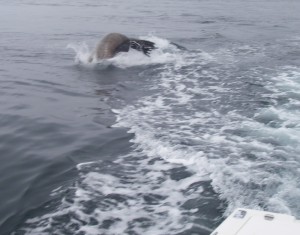
Interesting experience on a whale watching day in Blackfish Sound. We were traveling beside a pod of Pacific whitesided dolphins when I look behind the boat and snapped a photo of what might have been a dolphin playing in the wake of the boat. It was the second photo that made it clear it was a Steller Sealion copying the dolphins. This Sealion repeated this proposing action eight or ten times and the guests got some great photos. It was the first and last time I saw this behaviour in my twelve years guiding for the lodge. The whale watching tours are in an area that provides opportunities for photos of orca, humpback whales, minke whales, Steller sealions, harbour seas, dolphins, harbour porpoise, dall porpoise as well as black bears, eagles and a variety of ducks.


Good catch

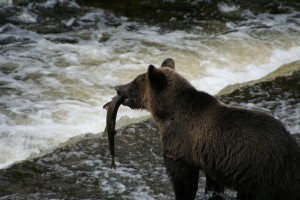
Grizzly bear viewing on the rivers of BC’s Knight Inlet always presents opportunities for interesting photos. It is rare to see a grizzly standing with a salmon. Normally once the bear has the salmon it starts to eat immediately so it can get back to fishing for the next salmon. This bear seems in good shape but it still has long legs. The long legs means that it does not have the barrel of a fat belly that bears get when they are closer to hibernation that make their legs appear to be short and stumpy. Being that this photo was taken at the end of August with two more months to fatten it is more likely that this bear’s stomach is full for the day. Being that it has been eating sedge grass for most of the summer its stomach has not stretched to accommodate the larger meals.

Click to enlarge then click again

River viewing stands

Click to enlarge then click again

Grizzly bear watchers from the viewing stands on the Glendale River often see a number of bears together in a small area. The abundance of easily caught salmon means that it is not necessary to fight for the best fishing hole. The grizzlies are more tolerant of each other as this photo shows to different mothers with their cubs sharing the same set of rapids. They may keep as eye on each other but rarely are protective of their “spot”.


Grizzly Near lodge

Click to enlarge then click again

The grizzly bear population of the viewing area in Knight Inlet is very healthy and has been growing over the years. Our lodge, Grizzly Bear Lodge, is located 40 km (26 m) from the main viewing river in Knight Inlet. Six years ago a grizzly bear in the area of the lodge was unheard of and now there are grizzlies on the lodge’s island several times a year. It is a small island so the bears come and go within a day but are frequently seen in the area. This bear was seen in the spring in a small bay not for from Minstrel Island on one of the evening black bear tours.


Humpback Lunge

Click to enlarge then click again

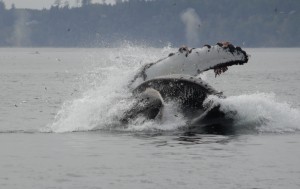
The head on lunge of a humpback whale coming up through a school of herring produces a very impressive photo. This is a definite “Click on to enlarge” to get the detail of the herring in the air and the baleen in the whales mouth. The area of the whale watching tours from the lodge in Knight Inlet has become the summer home of eighteen or more humpback whales. This increased number of whales on the day tours means many more photos such as this one.


Just resting

Click to enlarge then click again

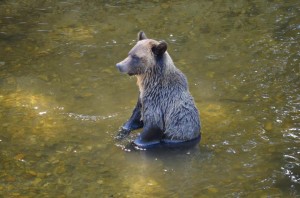
Grizzly bear tours in the fall, after August 24th, use the viewing platforms on Knight Inlet’s Glendale River. This is an hour and quarter boat ride from the lodge and then a fifteen-minute van ride along the river to the viewing area. The platforms are located near the entrance to a man-made spawning channel that has a holding area for the salmon before they enter the channel. This holding area is the main attractions for the grizzly bears because of the abundance of easily caught salmon. In this case the grizzly decided to just sit and wait to see what might swim by to provide the next meal. Not all fishing grizzlies are aggressive or action bears.


Passing through

Click to enlarge then click again

The whale watching trips from the lodge on BC’s Minstrel Island travel about fifty minutes to Johnstone Strait and along the shore of Vancouver Island to find orca. The resident (fish eating) orca spend their summers working this area in search of the larger spring salmon. The whale watching guidelines require that we remain a hundred meters (yards) from the orca so if they are coming up the straits the boats will line up parallel to the line of travel for a good view. Engines off we wait for the orca to pass but at times they will do a ninety-degree turn and pass between waiting boats or in this case start to feed on salmon.


Grazing on sedge grass

Click to enlarge then click again

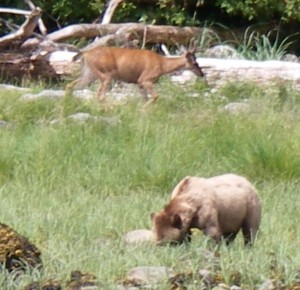
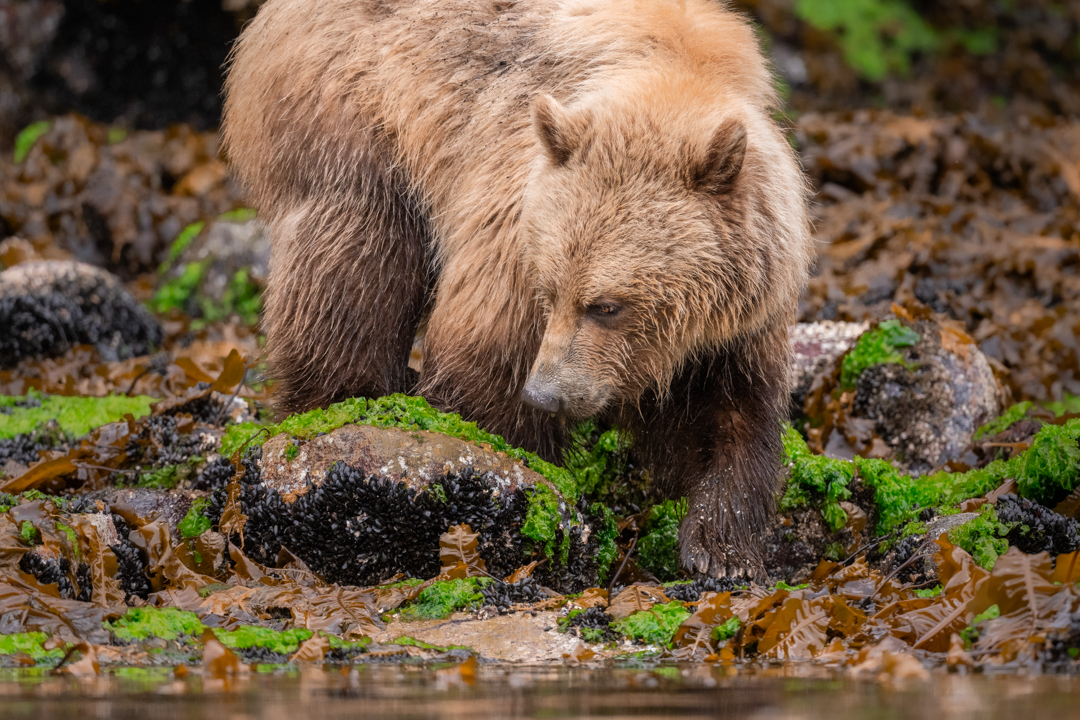
The grizzly bear trips from the lodge travel up Knight Inlet to the Glendale River estuary. The bears come to this area in the spring because of the protein rich sedge grass, which keeps them going until the salmon arrive in late August. The grazing rights are shared with British Columbia’s black tailed deer. The upper beach along the shore of the river estuary is more or less rock free which gives the deer an advantage for a quick escape. The grizzly have come to accept their grazing partners and realize the chance of catching a deer is not worth the calories wasted.