For two seasons we have been lucky to have Felix staying up the river, helping out tremendously, while working on his university projects. Many of his amazing shots can be viewed on his website.
https://felixrome.smugmug.com
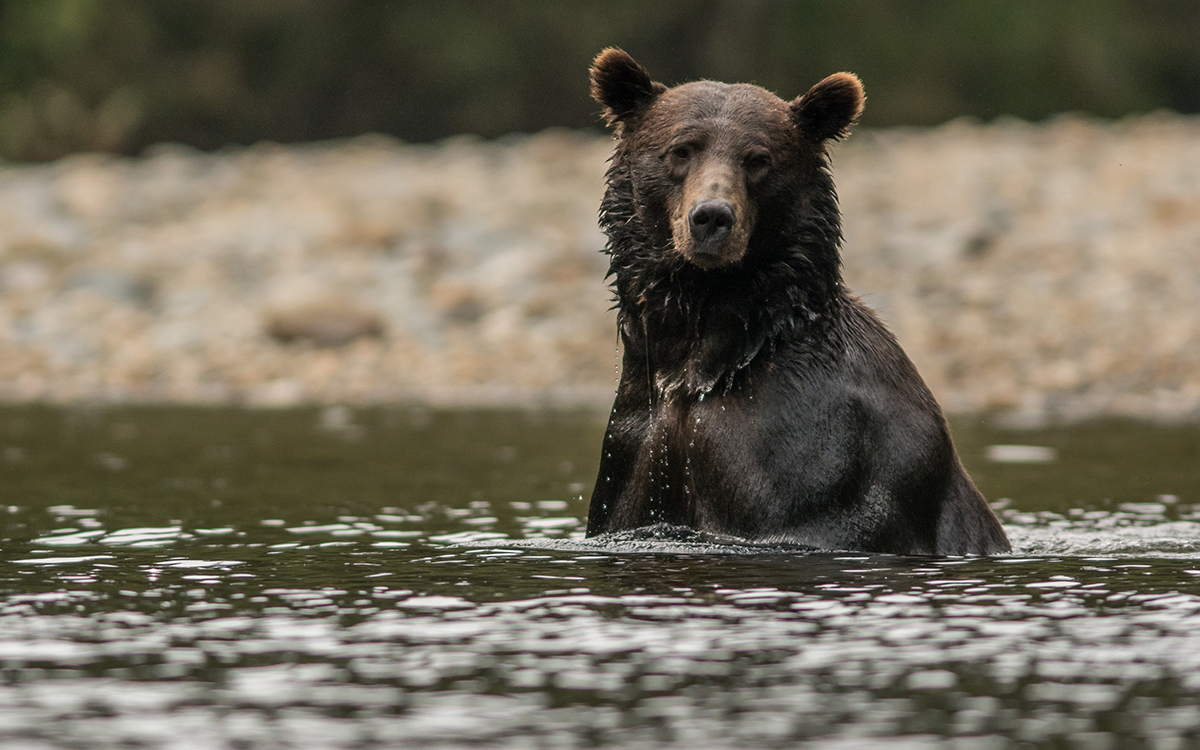
For two seasons we have been lucky to have Felix staying up the river, helping out tremendously, while working on his university projects. Many of his amazing shots can be viewed on his website.
https://felixrome.smugmug.com
Please.
This is a great site to visit to get a “guest eye view” of a trip to our lodge.
Click on this link
http://www.masey.com.au/2010/08/dream-grizzly-trip-day-one/
Also: -if you search “You Tube” using the keyword SAILCONE you can view some videos from and about the lodge.
-and on Facebook at Grizzly Bear Lodge and Safari
To view a map of the lodge’s area and the location of each day’s itinerary”
Look to the left and scroll the sidebars to “Categories” and select “Wildlife Tour Itinerary” It is possible to navigate the map using the arrows in the upper left corner and to zoom using the + or – signs as well as changing to a satellite view in the upper right corner of the map.
It is possible to navigate the map using the arrows in the upper left corner and to zoom using the + or – signs as well as changing to a satellite view in the upper right corner of the map.
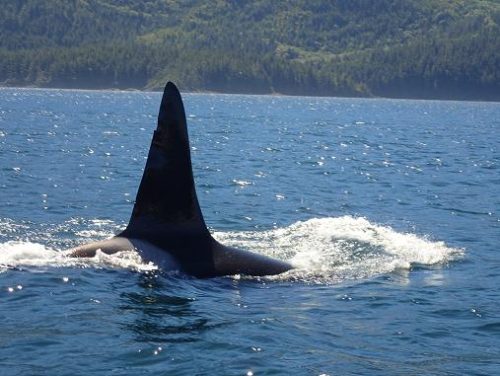 Transient orcas generally form smaller and more variable social groupings than residents, roam over a larger area of the coastal waters, and their appearance in particular places is not so predictable. They feed primarily on sea mammals such as seals and sea lions. The name “killer whale” probably stems from observations of transient orcas hunting. Transients are characterized by more triangular and pointed dorsal fins than those of Residents (because they have a broader base), and their saddle patch is generally solid.
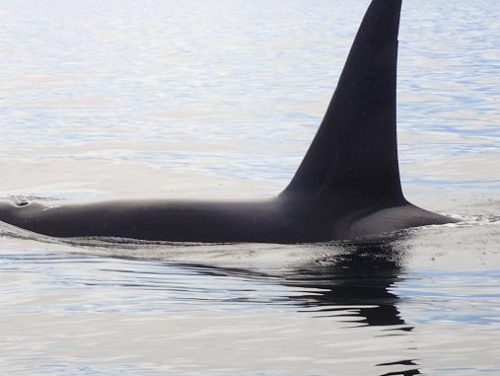 Based on differences in their lifestyles and food preferences, orcas are characterised as “resident” and “transient”. The majority of orcas that visit our area area are called “residents” because their appearance in the area each summer and fall is relatively predictable. They feed on salmon, live in close and extended family groups (matrilines and pods) and are highly social. Families can be distinguished from one another by their dialects.
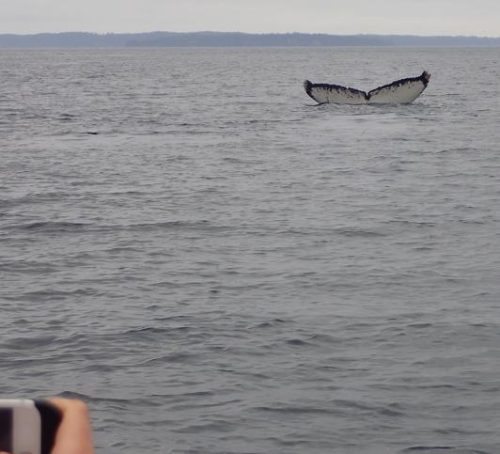 And later in the day after a stop at Telegraph Cove on Vancouver Island to use a “civilized” bathroom we were visited by some humpback whales. I try and eat our picnic lunch is an area where the humpbacks are feeding and wait to see what “pops up”.
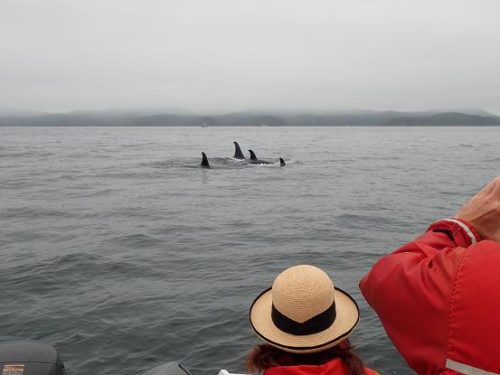 Yes we did find the killer whales and spent an hour or so with them as they moved through Blackfish Sound. The guest photos from the day were much better than mine. I know this because it is part of the day that photographs are compared once all guest return to the lodge. In my defence I am more interested in getting photo that make for a good blog posting than the ideal photo to show friends (I have enough of those).
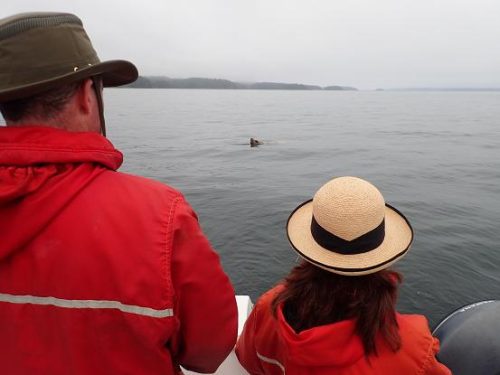 We were working our way up Blackfish Sound looking for some killer whales reported to be in the area when we came upon a Steller sea lion. This sea lion cam within 5 meters (yards) of the back of the boat, of course I missed that photo. Sea lions are very curious and if you sit quietly in a boat they will approach quite close.
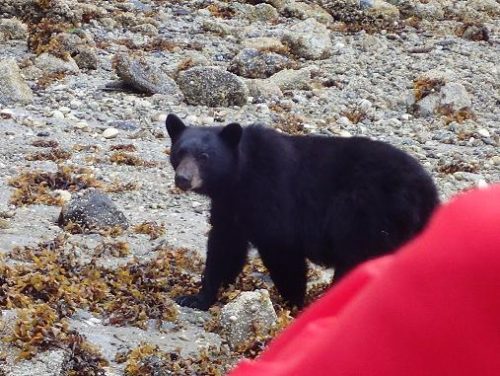 This day started with a black bear on the beach in Clio Channel behind the Grizzly Bear Lodge. It was a very obliging bear in that it did not mind us getting good photographs. My goal when watching any wildlife is “to leave it as I find it”. If you cannot do that you are disturbing the flow of nature and the economic sense is that it will not be there the next time one wants to watch.
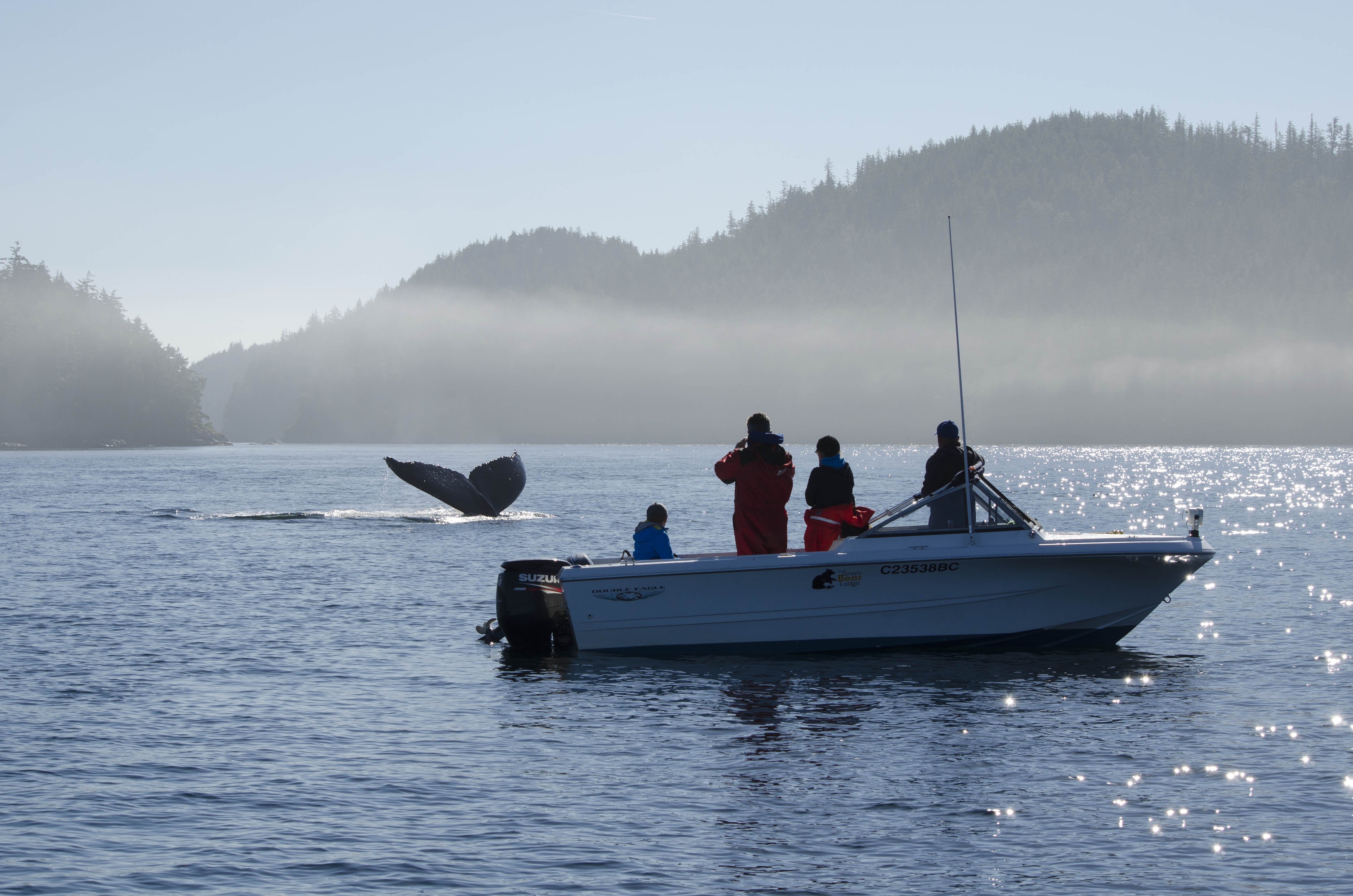
Some of our guests were very lucky to have a great phot opportunity with this Humpback Whale on a beautiful morning in Blackfish Sound. These whales frequent our waters during our season to feed on krill and small fish, such as herring. I hope they managed a good picture.
It is always rewarding to watch bear cubs with their mothers feeding on salmon in the fall.
“Amalie’s pups playing in the river, fascinating”
All photos: Rainer Beck, Bornheim, Germany
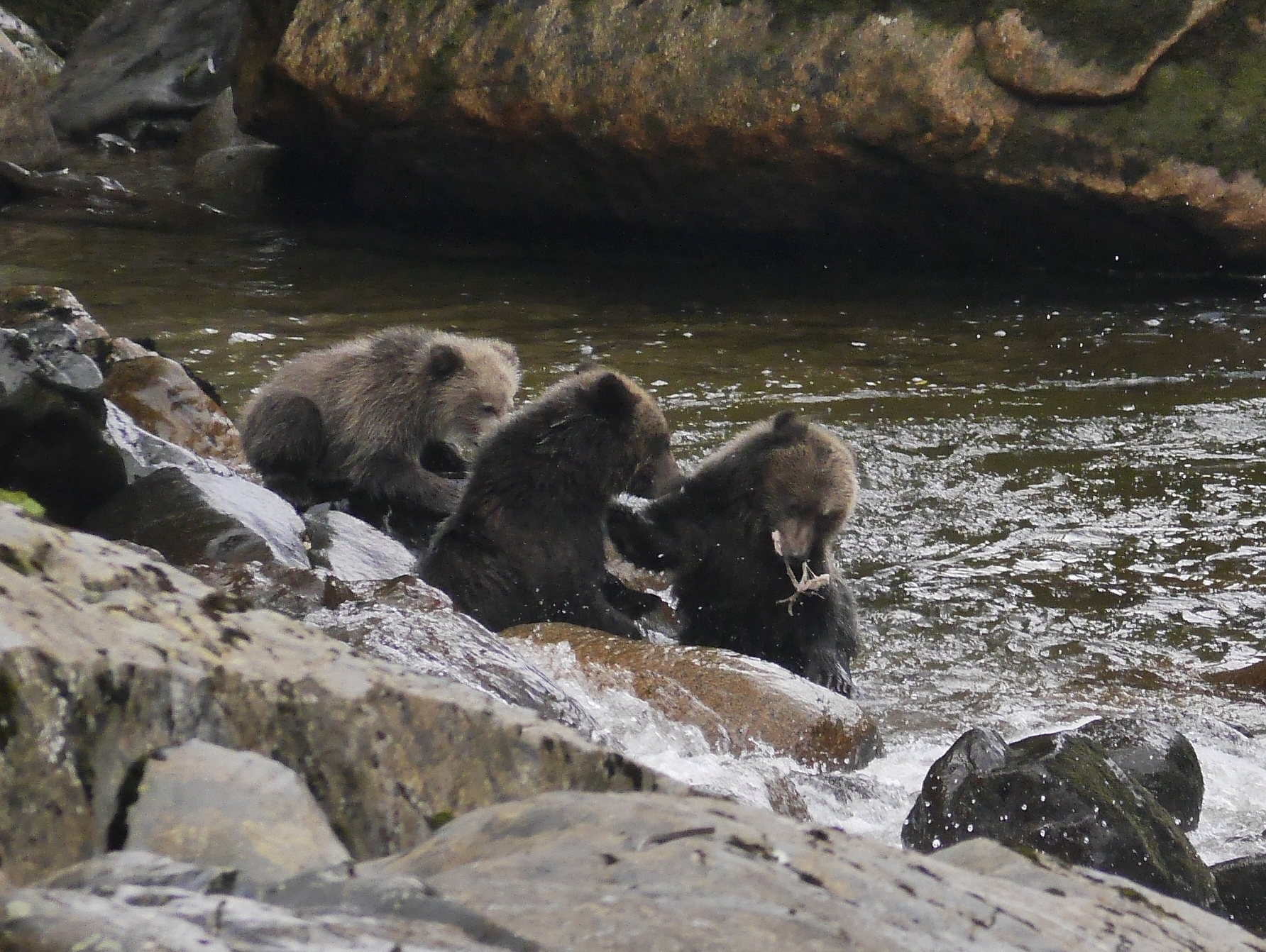
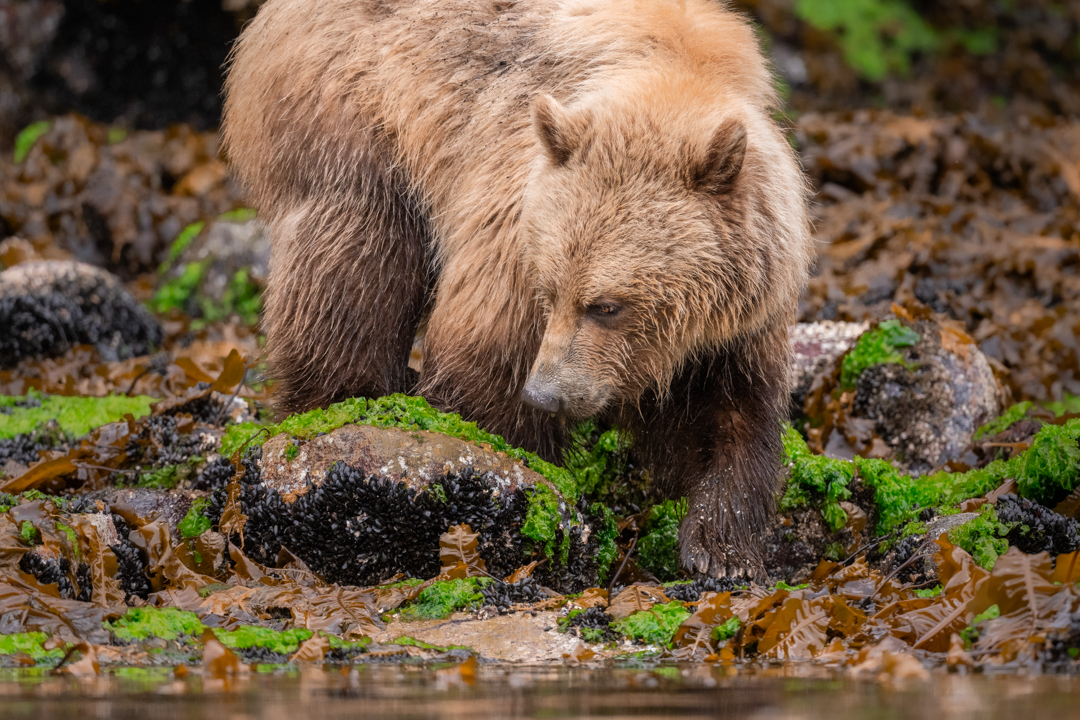
Just like that another season has come to an end. We are grateful for all the wonderful staff and the guests this season. It was an excellent season and we are already looking forward to next May.
One of the highlights of the season was all of the new cubs out. It was awesome to see so many new cubs of the year and that is great news for our bear populations moving forward. We had great spring viewing and this continued through summer. On our river trips we started to see salmon arriving in August and enjoyed some great shoulder season viewing. The fish at the viewing platforms were a little late showing up this year, but viewing during late September at the platforms was great and the estuary viewing remained strong throughout the season.
Out in the whale watching world it was another year that saw large numbers of resident Orca who remained in the area right into October. The Humpback viewing was also great with large numbers feeding in Blackfish Sound. It is so amazing to have these magnificent animals back in our waters in such numbers.
Over the winter and spring we will be doing some repairs and maintenance. We rebuilt the front deck last spring, utilising cedar cut on site. We will continue with some siding, rooms improvements and hopefully a floating sauna ready for the start of our season.
2026 is already looking like a very busy season for us. We only have limited high season availability so please book early to ensure we have space for your group.
Looking forward to seeing you next year
Angus Reid
Visit our Blog