All posts by Lodge Guide

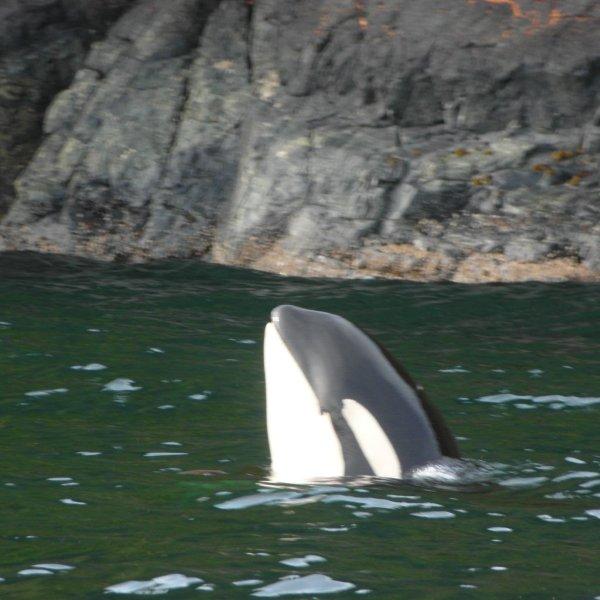
Spyhoping orca / killer whale
spy hopping orca
Click to enlarge then click again

It is said that an orca’s eyesight is equally good in or out of the water. In fact it is thought they use eyesight when ‘spyhopping’ to spot boats that may present a danger. Orca do not seem to fear boats but once a motor is turned off and no sound is coming from the boat it becomes harder for them to locate. “Orcas possess sophisticated underwater sonar that enables them to perceive their surroundings ten times more effectively than our most advanced equipment.” (http://www.orcafree.org) However a boat’s shallow draft may make it harder to locate and thus the need for an occasional spyhop.  Great photo from James Wendy of Australia.

Humpback whale diving

Humpback coming HB under Boat

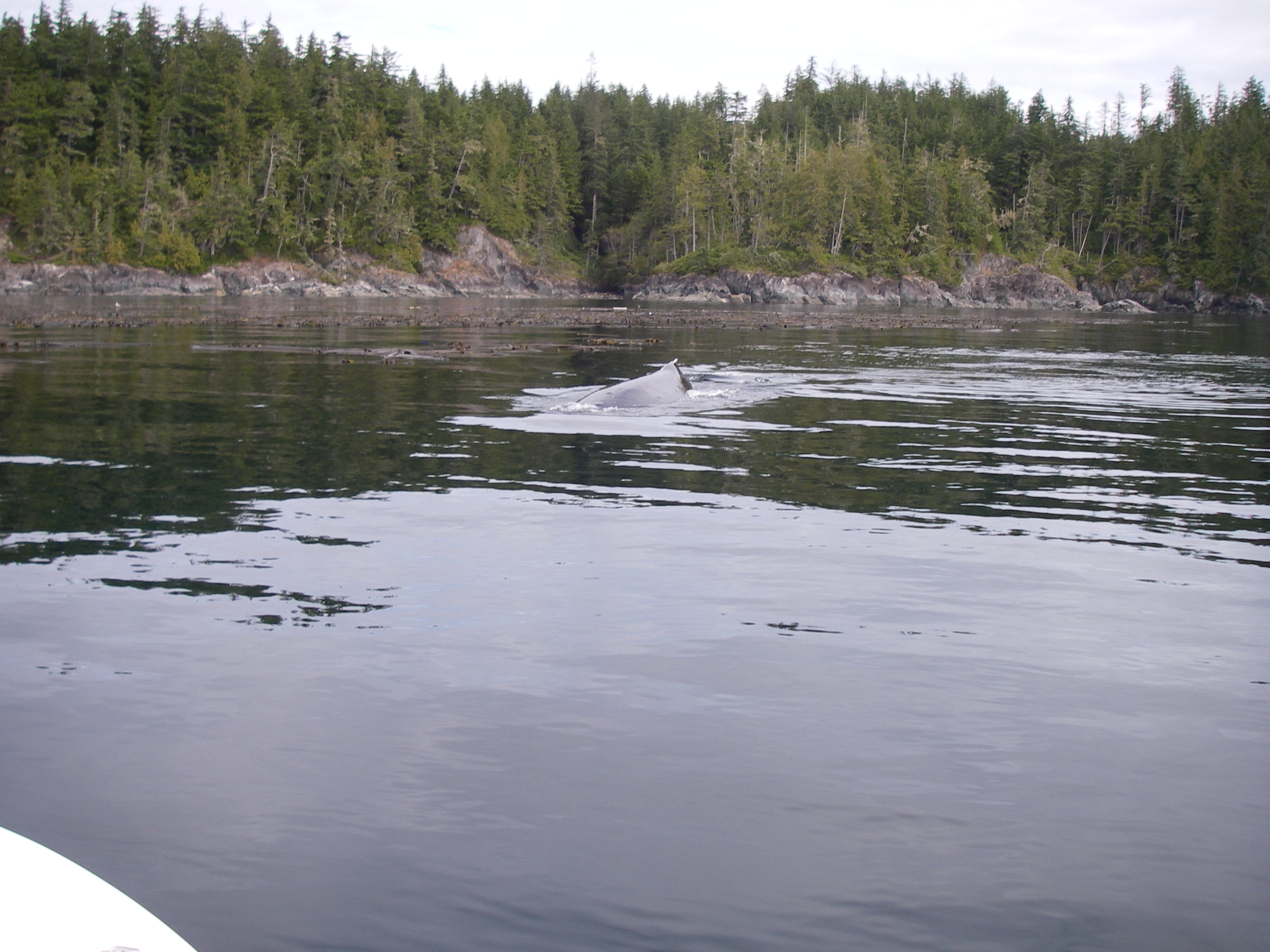
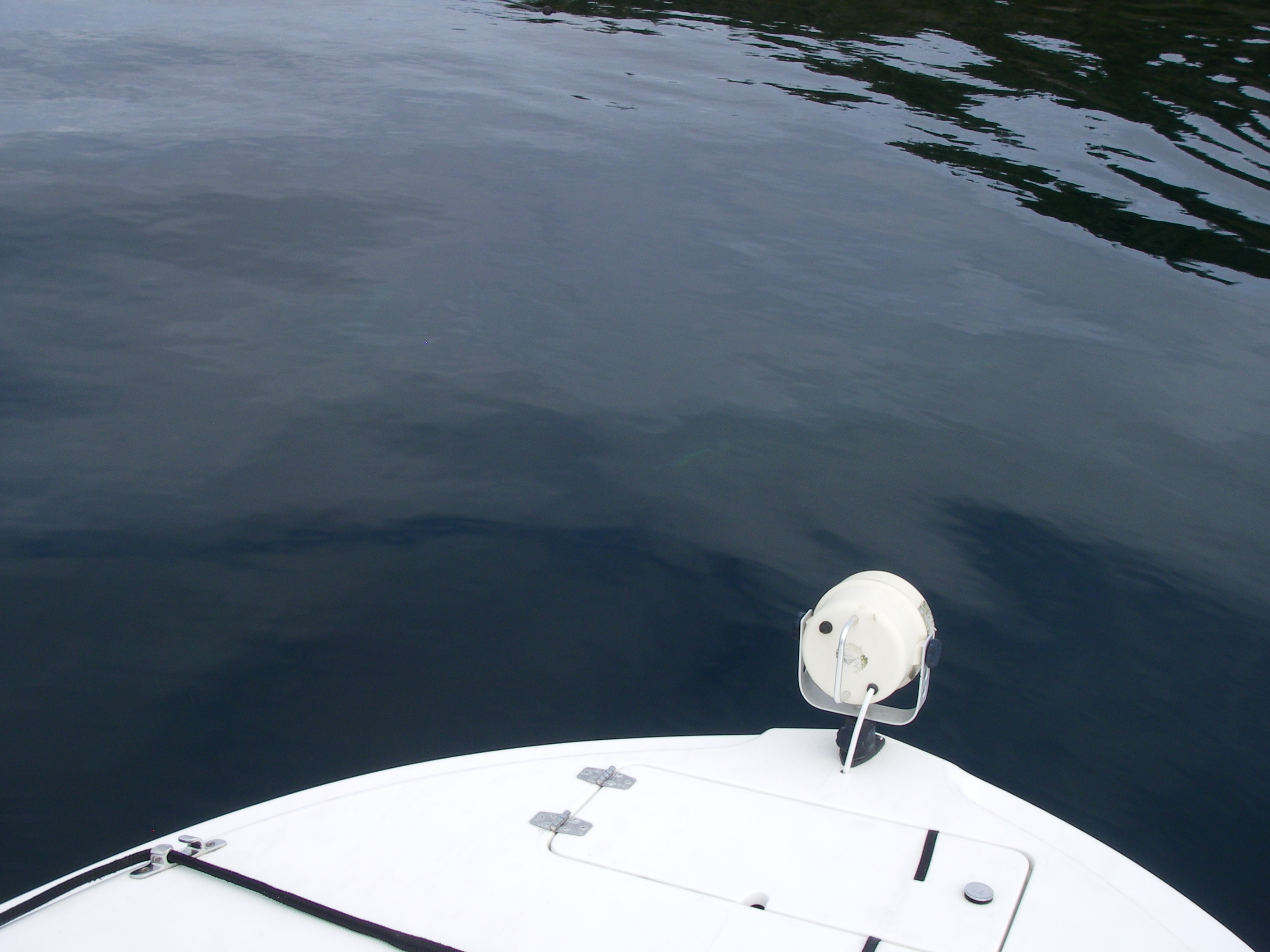
I am sure that this is not an over active imagination.  The first photo shows a humpback whale starting a dive not far from our boat.  The closeness to the kelp bed and the number of years fishing in the area I know that the water is no over 60 feet (20 meters) deep so the whale cannot dive that deep. In the second photo just to the left of the bow light one can see several small patches of white on the humpbacks pectoral fin as it passes beneath the bow. If you strain hard enough one can see an outline of the whale; we saw it in real time I just hope the camera has captured the image.


Grizzly bear family visit

grizzly family
Click to enlarge then click again

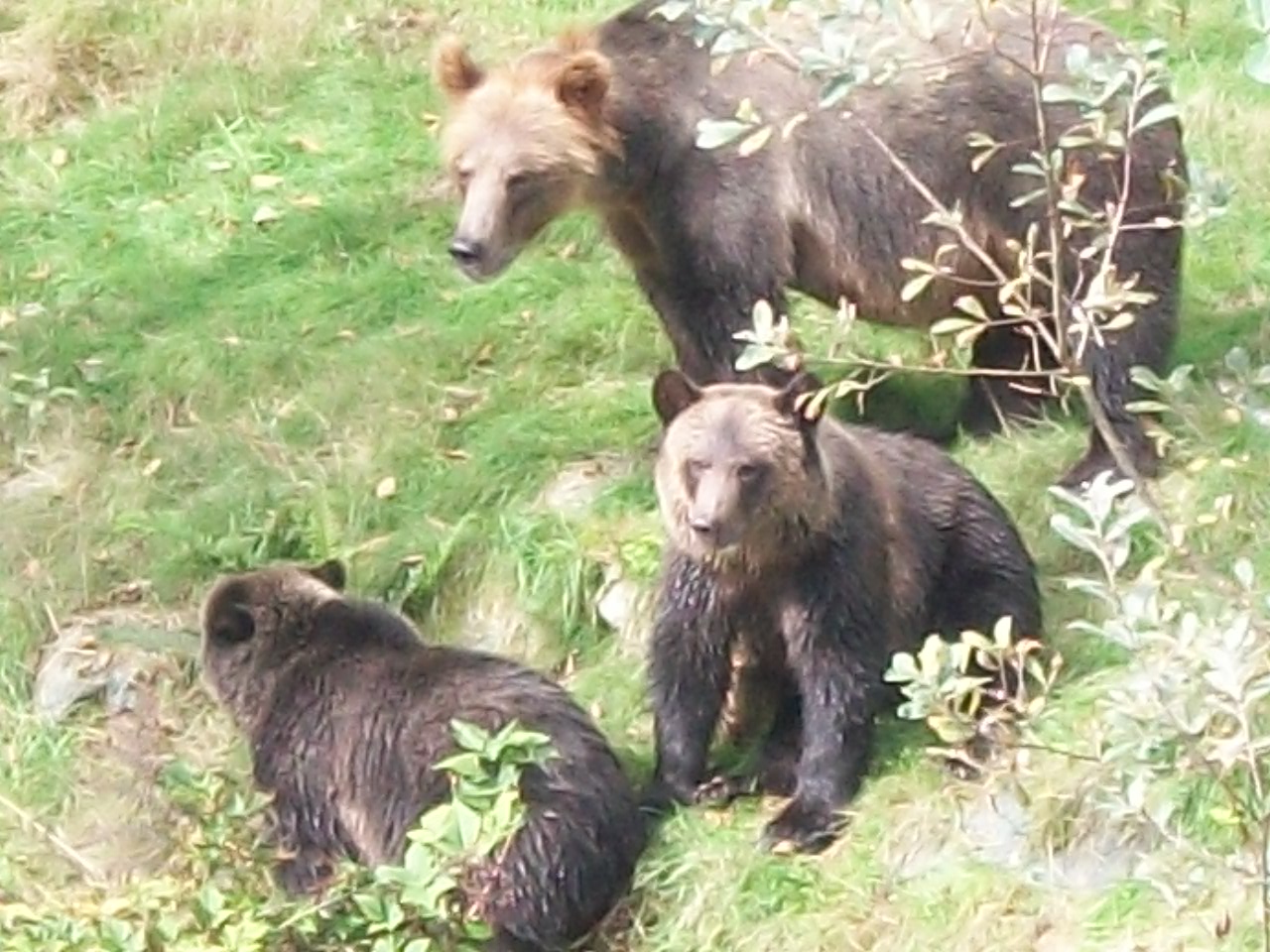
The two viewing stands used by Grizzly Bear Lodge on our wildlife tours in Knight Inlet seem to attract bears.  They show no fear of the red and orange suited guests or the click of cameras as they pass beneath the stands. The main attraction is salmon.  The grizzly bears have a limited time to add enough fat to survive hibernation.  Once the salmon arrive in mid August and we are permitted to use the stands after August 24th we view bears eating salmon.  If cubs do not add enough fat they will not survive hibernation and if expectant mothers body fat is not high enough the fertilized eggs will be absorbed and fewer cubs will be born for the next year. Pausing to see the roses does not seem to be an option for grizzly bears this time of the year.

Orca breaching

orca

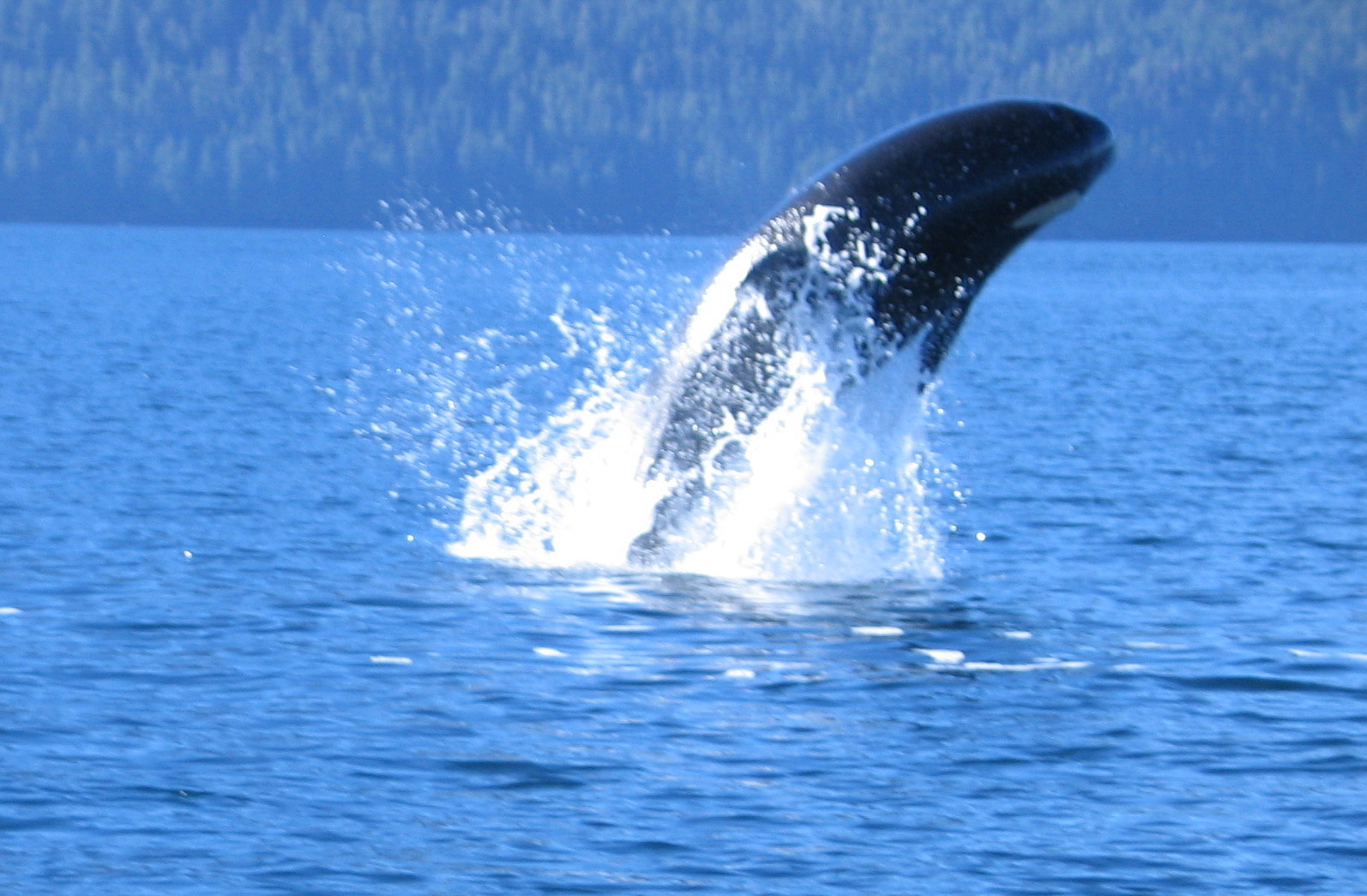
Books on whales and dolphins are full of pictures of breaching mammals. It is hard to imagine the number of hours it took and pictures, which were taken prior to digital camera to get one good photo. Spending three to four months each summer working for Grizzly Bear Lodge with many of those whale watching I know that a breach is not that common.  The breaches that occur do not come with a five minute warning in fact most good photos are a result of “right place right time” with allot of luck added.

Grizzly bears grazing

Grizzly Bears Grazing

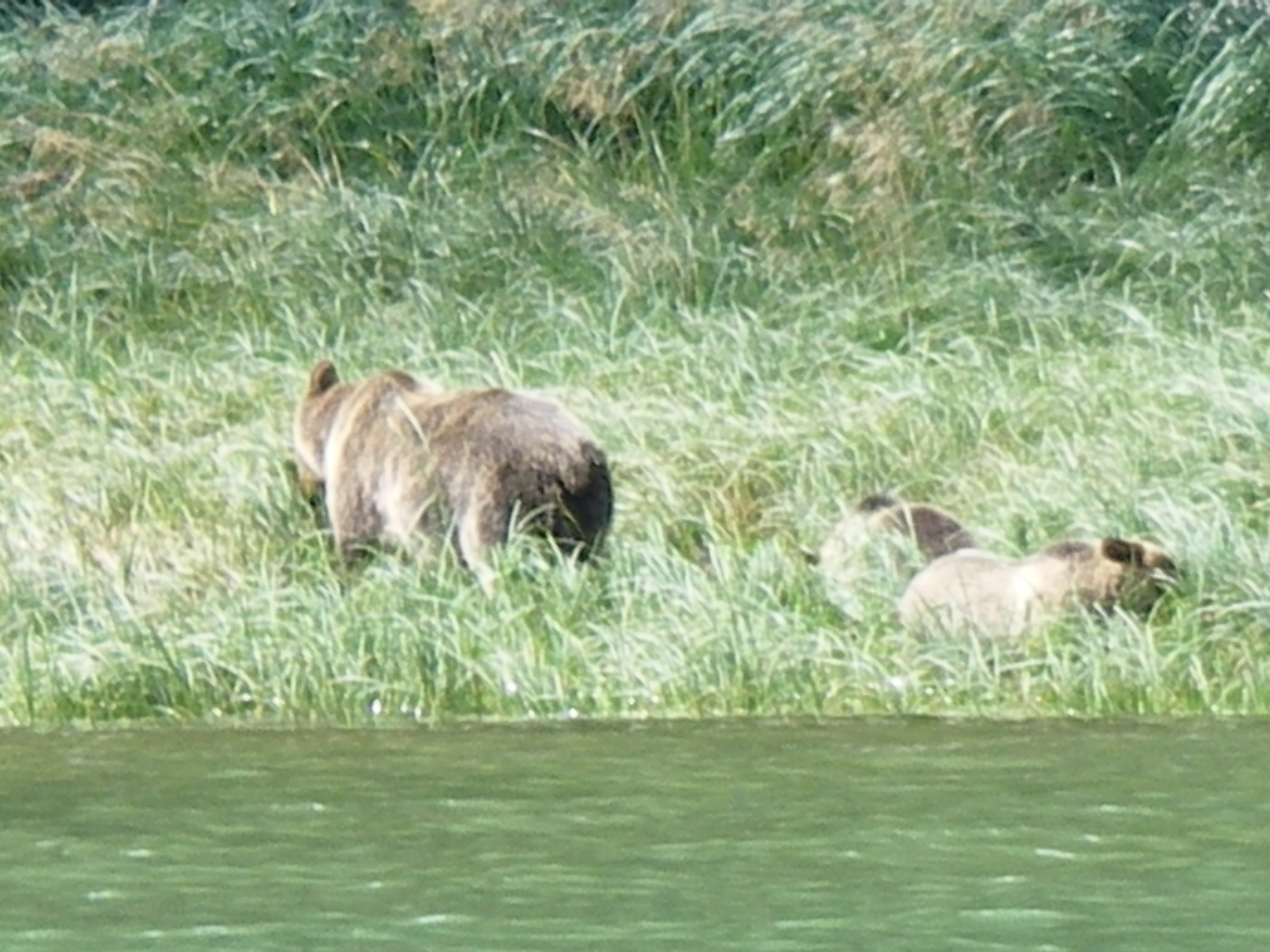
As the tide comes in and access to the protein from turning over rocks is gone this grizzly bear and cubs turn to sedge grass. The grass along the shore of the river estuary is more than a meter (3 feet) high so these cubs are in their second year; first year cubs would be lost in the grass. The sedge grass is 25% protein much richer that other grasses and the best plant proteins available as berries are not yet ripe.  Most of a grizzly’s springtime is spent in search of food as fall and the salmon approach this changes.

Black bear ready for hibernation

Fat Black Bear

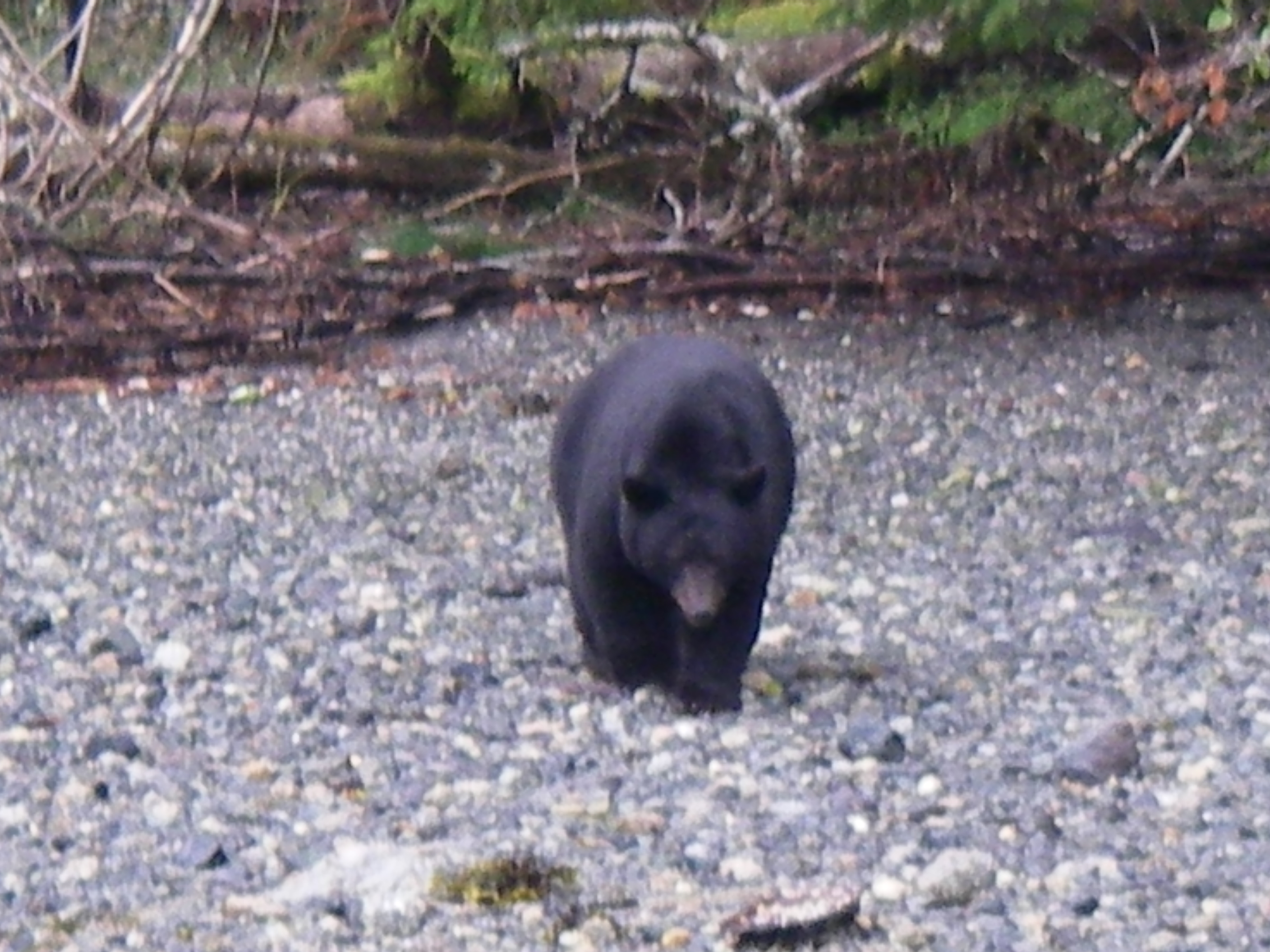
Not the sharpest picture but it was taken in mid September to show a black bear with enough fat to hibernate. This bear is big enough to challenge a sub-adult grizzly.  Several years ago there was a large black bear that did just that for the first part of the viewing season in the Glendale River estuary, the main area for observing grizzly. The first part of the season is mostly mothers with new and one year old cubs and some three and four year old grizzlies.  The black bear mentioned managed to claim its part of the beach until one of the breeding male grizzly appeared and that was the last we saw of the black bear. It is interesting to note that the bear in this picture does not have access to the salmon rivers because of the grizzlies so its bulk is from grass, beach protein and berries.  Once the berries appear in June they last through the fall.  There are a variety of berries including; huckleberry, salmonberry, blackberry, salal berry, thimbleberry, and elderberry all within a short walk from the lodge.

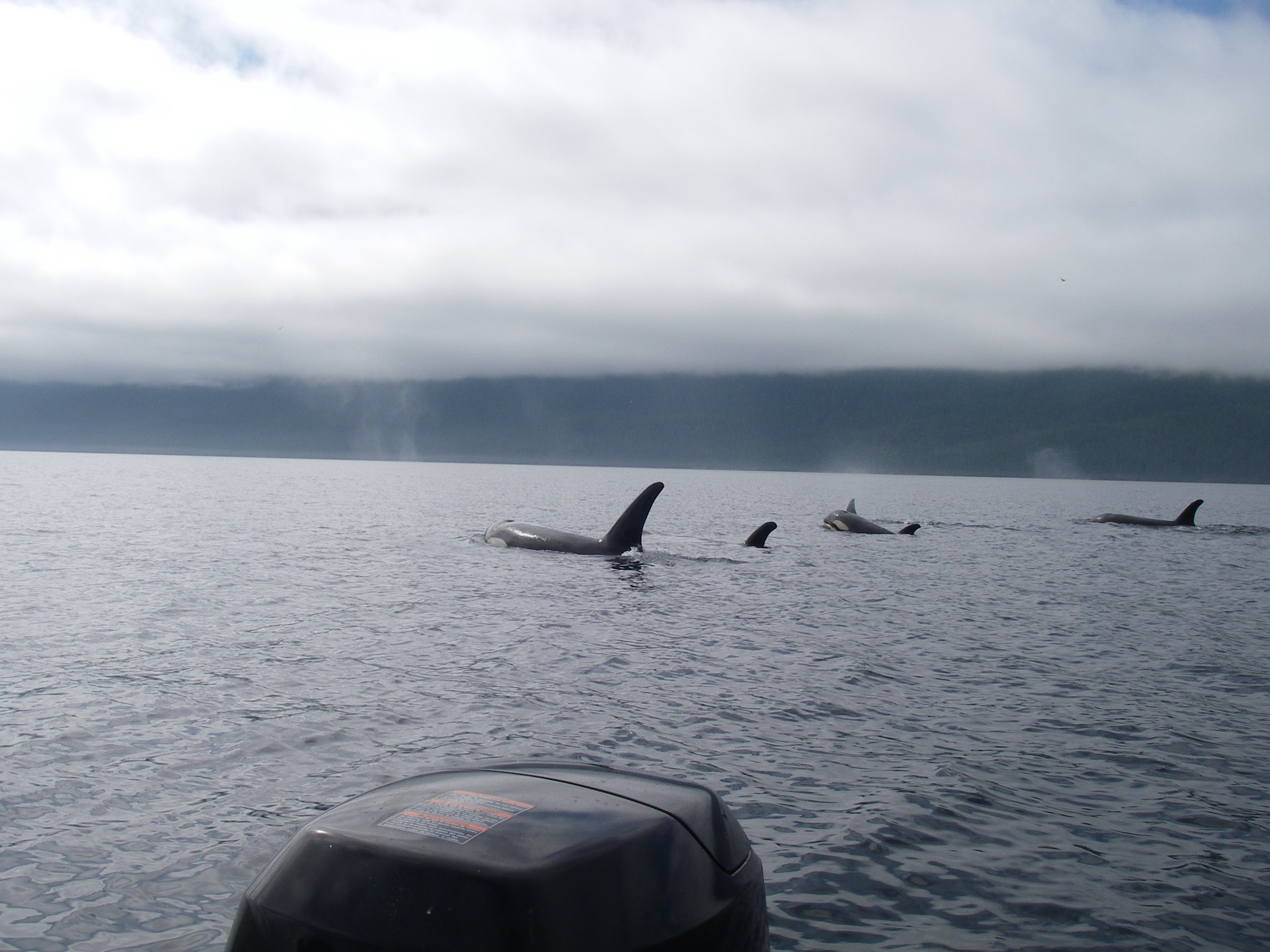
Killer whales (orca) passing astern

orca por passing
Click to enlarge then click again

The overcast day may not seem too appealing unless you think about taking pictures from a boat.  On bright days it is necessary to have the sun at your back or the reflection off the water will make picture taking difficult if not impossible. Marine mammals often change their direction of travel without notice and do not always cooperate in getting the boat in the right position. On a dull day their cooperation is not necessary. Again the motor in the picture is to provide an indication of the nearness of the orca pod.


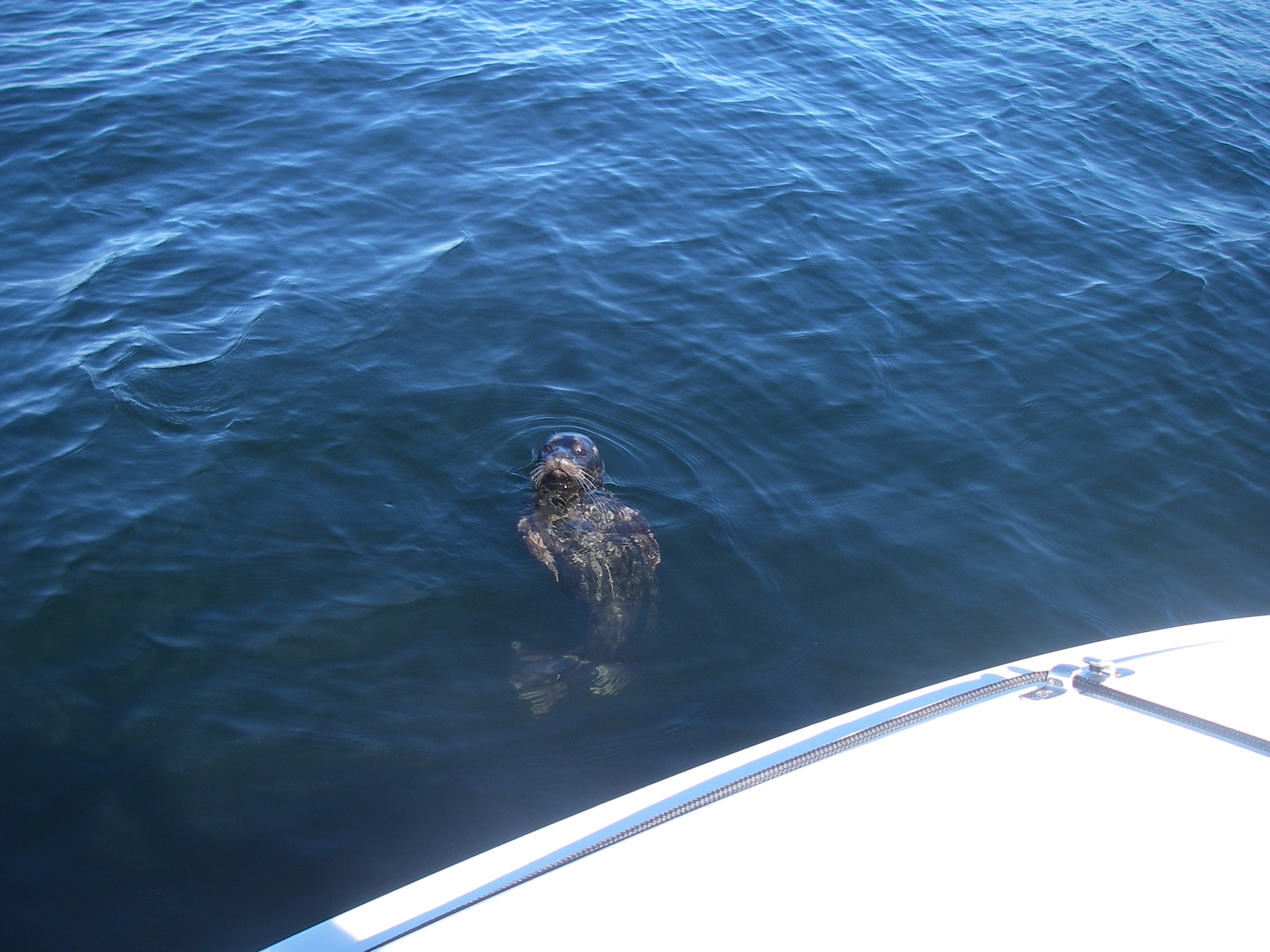
Lunch visitor – Harbour seal

Harbour Seal

Not quite as dramatic or exciting as the previous post and the humpback whale visiting but still unique.  Another day and a picnic with a visit from a harbour seal. This is the only time I have had a seal intentionally come this close.  Harbour seals by nature are very timid and shy away from boats. However this one appears small and therefore young and may have not learned to fear boats. The advantage of sitting quietly and having lunch in an area with allot of marine wildlife.

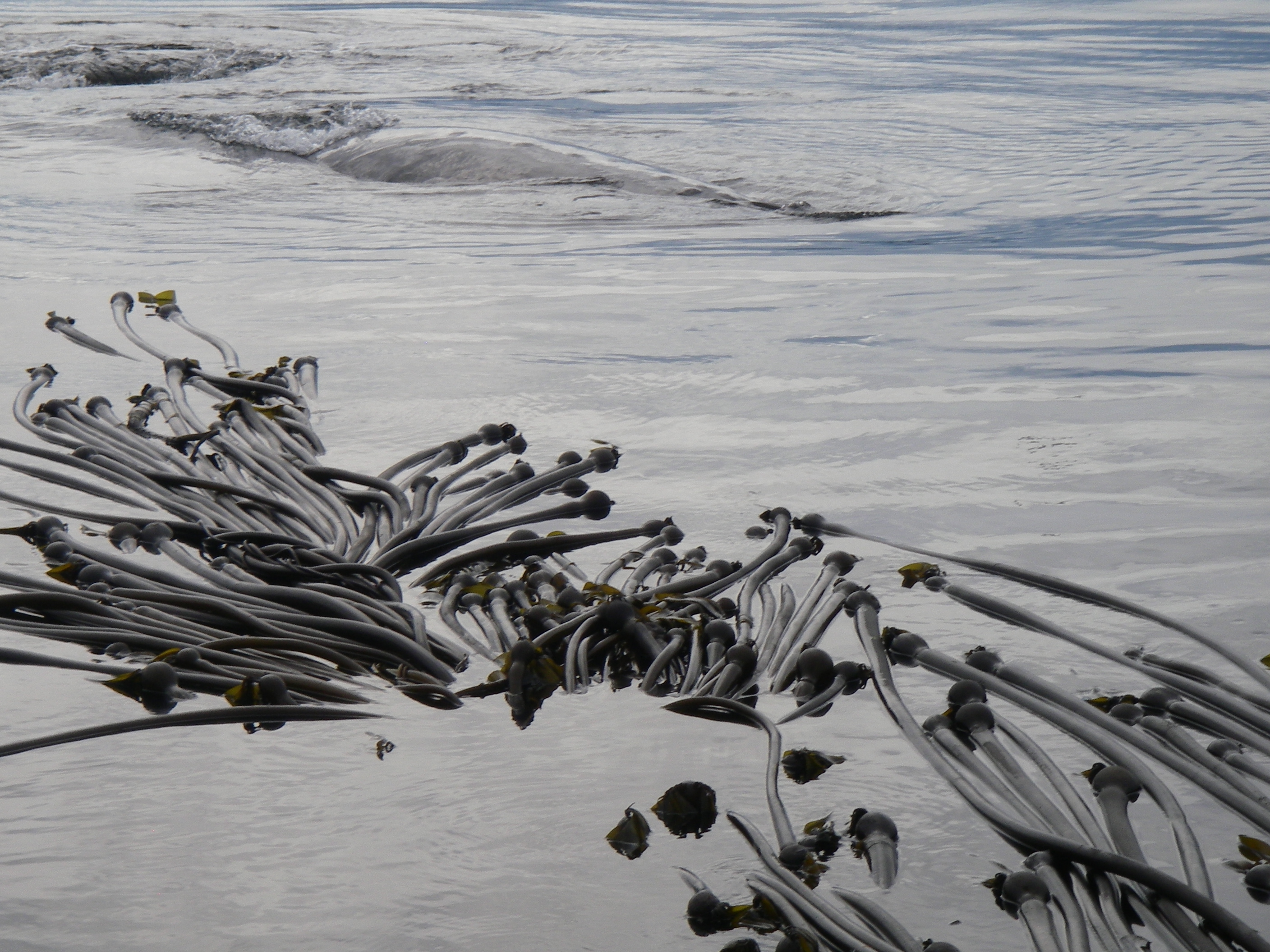
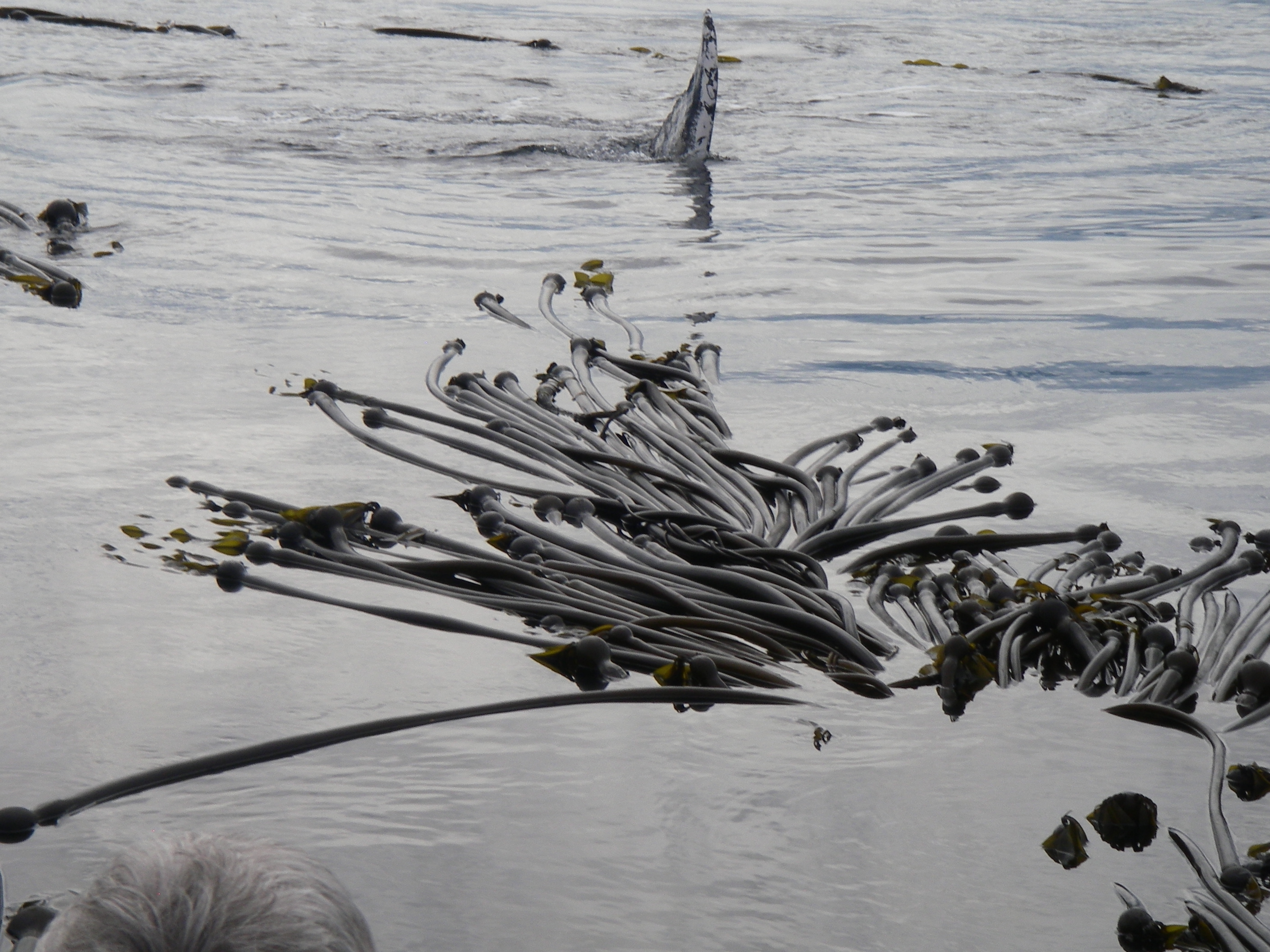
Lunch visitor – Humpback

Humpback whale closethumpback in kelp

Click either photo to enlarge then click again
Picnic lunches on the whale watching tour can be interesting. I normally take a bathroom break around eleven of eleven-thirty in Telegraph Cove on Vancouver Island.  Guests have time to have a coffee or hot chocolate and walk the boardwalk to visit the shops or museum. The stay is as long as you wish to make it, as we are not on a tight schedule unless it is your last day and then we need to be back at the lodge for the plane by three o’clock. Lunch is back on the water and this day it was at Bold Head in Blackfish Sound.  We had tied to a kelp bed and were watching the whales in the distance when we had a visitor. As the pictures show a humpback came into the kelp to roll and play close to the boat (maybe twenty feet – eight meters) off the bow. I took the picture with a guest’s head in the shot to give perspective as to the distance. The whale stayed close for at least twenty minutes until another boat came into the area.  It was a memorable experience.


Grizzly Bear Twins

Twin grizzlies

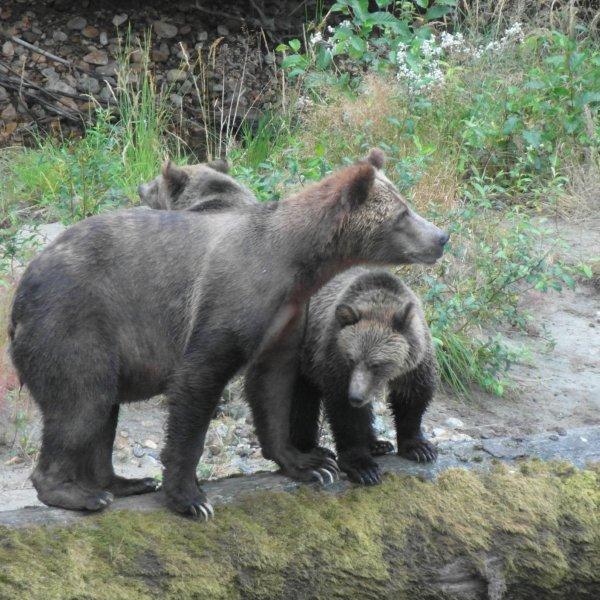
The coat of a grizzly bear can be from a light cream colour to a dark brown or almost black.  In this case it appears almost grey with a reddish brown tinge. This colouring seems to have been passed on to the cubs. It is not uncommon to see sibling cubs with much different colouring as the females while often breed with different males so siblings may have different fathers. The grizzly’s claws come in a variety of colours including black and brown but are usually white or yellowish. As shown by this photo the front claws are longer than the back and can be up to five inches long. The longer claws are designed for digging, as one of their favourite spring foods is the skunk cabbage roots or bulbs. The long front claws also allow the grizzly to catch and hold a salmon while it is being eaten.  The pink salmon are covered with an over-abundance of disease-preventing slime which make them very hard for a human to hold but the bears seem to have no problem retaining this fish.  Thanks to James and Wendy from Australia for the excellent photo.