Tag Archives: Orca

BC Orca

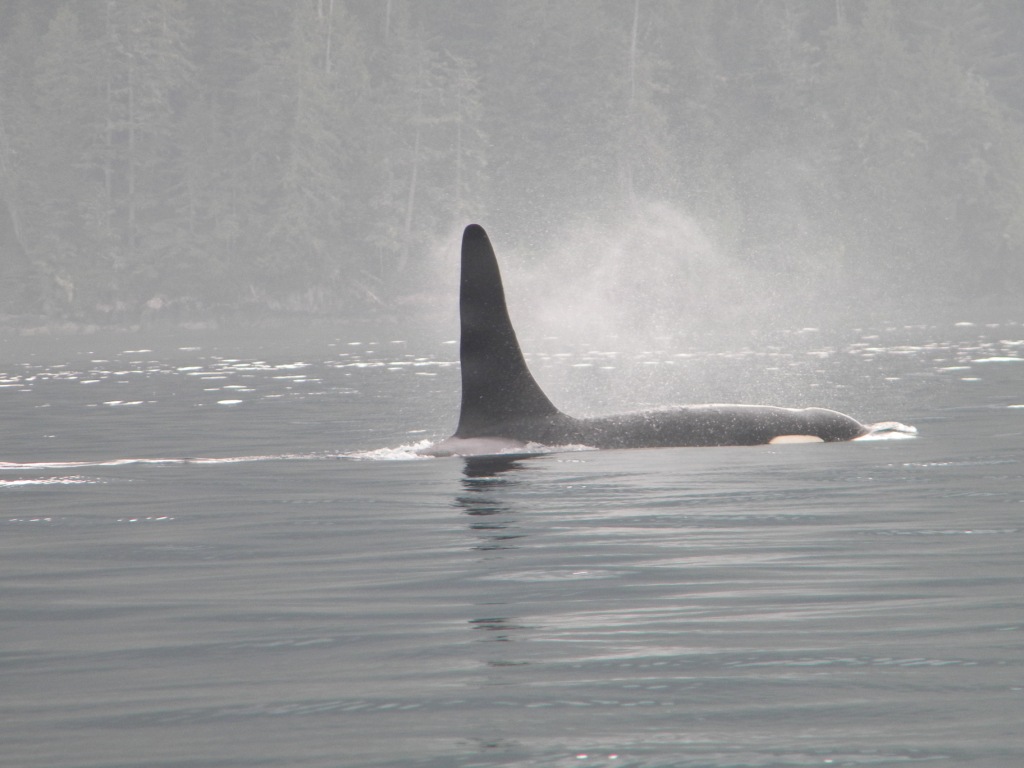
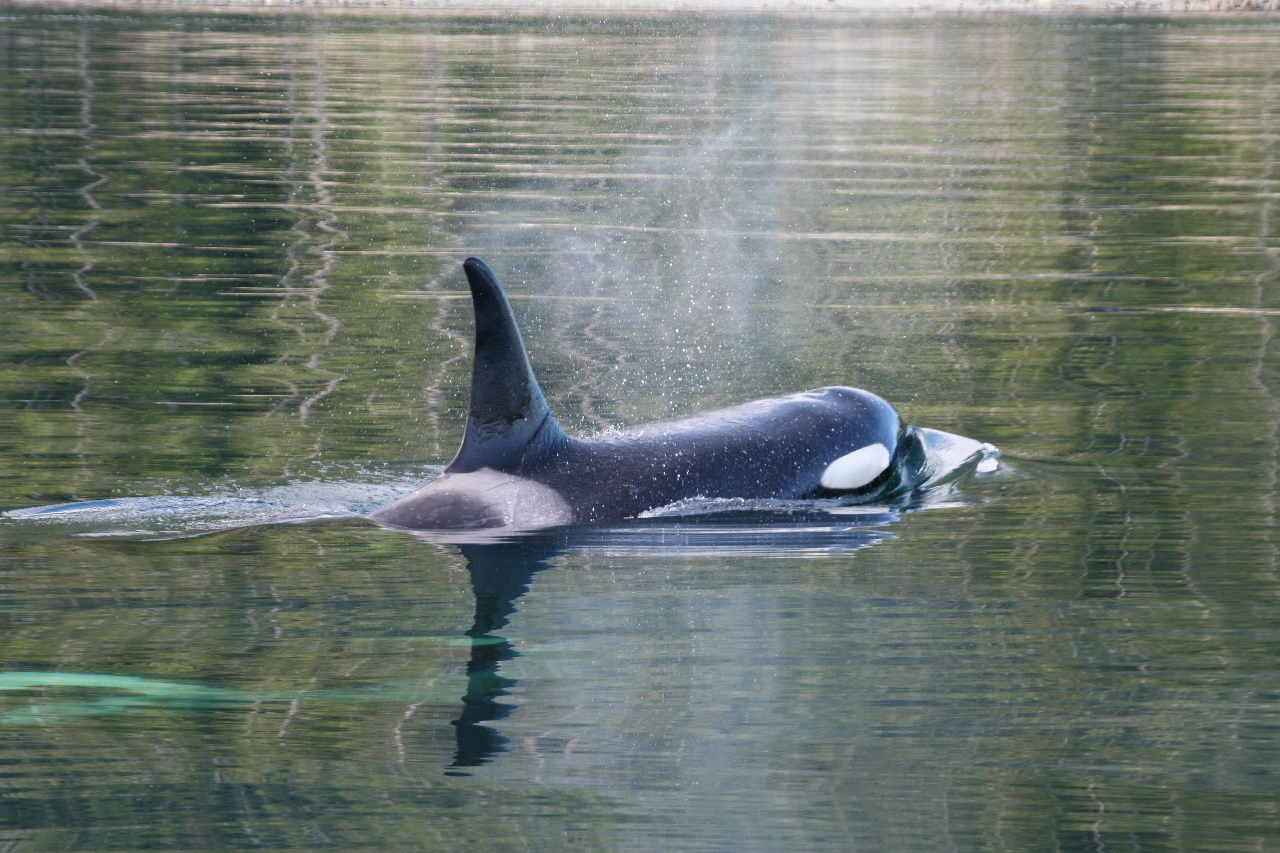
The orca in the lodge whale safari area are mostly resident or fish eaters although at times we encounter the transient mammal eaters. The northern resident orca are located in waters north of Campbell River on Vancouver Island and while the transient orca are more often found in BC coastal inlets. This is a female orca as indicated by the shorter dorsal fin. Great shot of the eye patch.
 

Whale Watching Tour

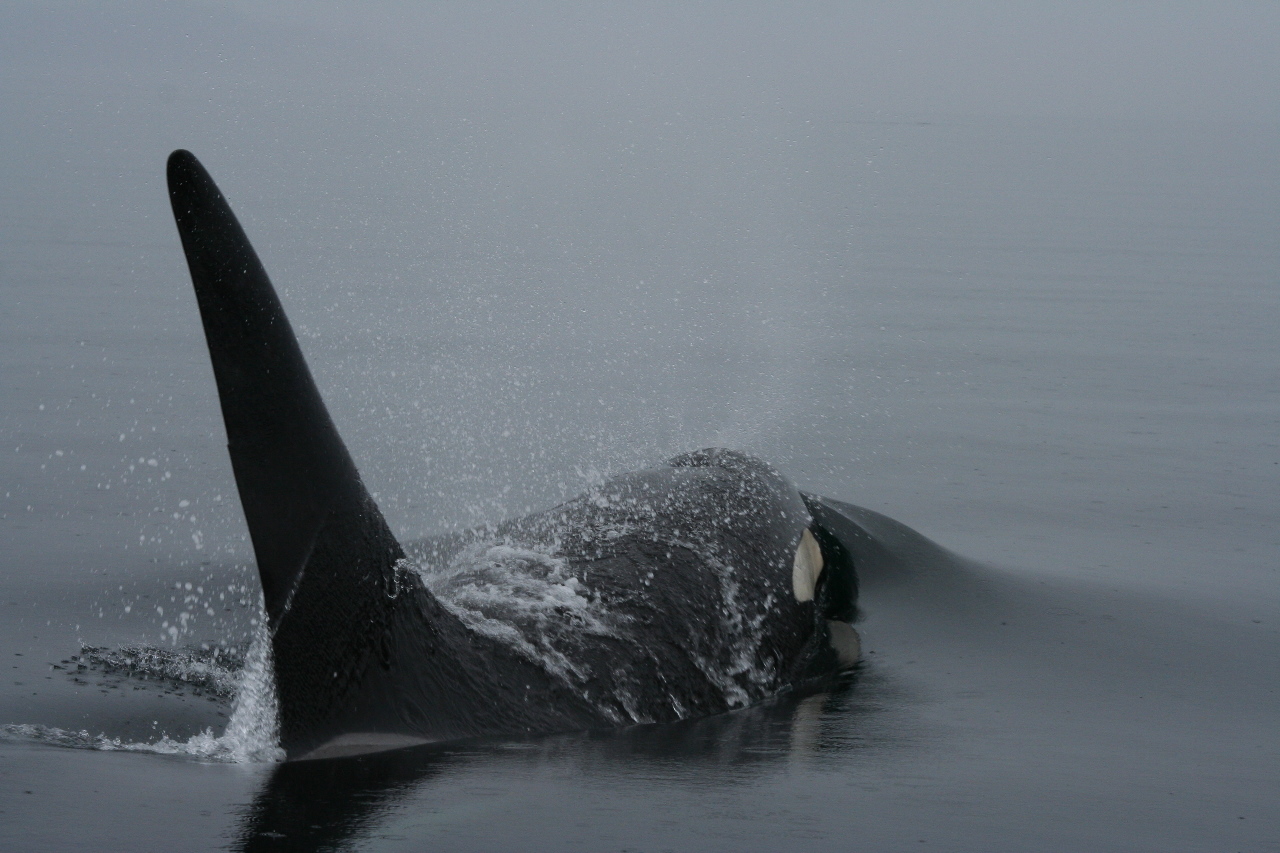
A glassy calm day in the waters of Johnstone Strait which is located between Vancouver and the BC mainland. An interesting photo if you look closely and see the reflection in the water around the eye patch.


Resident Orca on a Whale watching safari

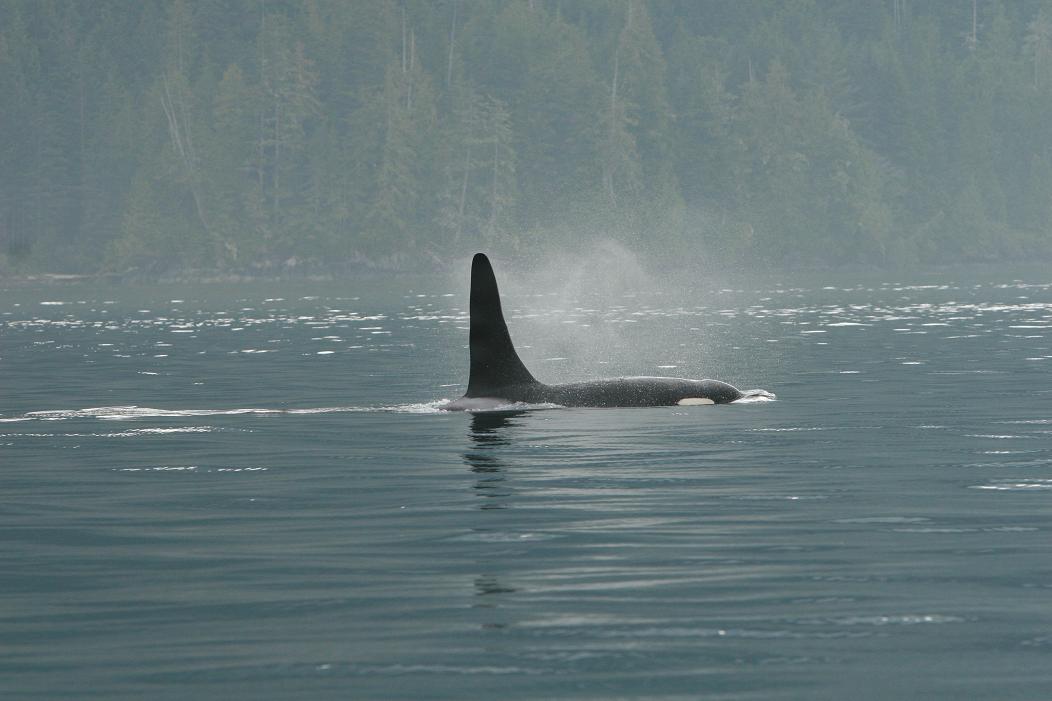
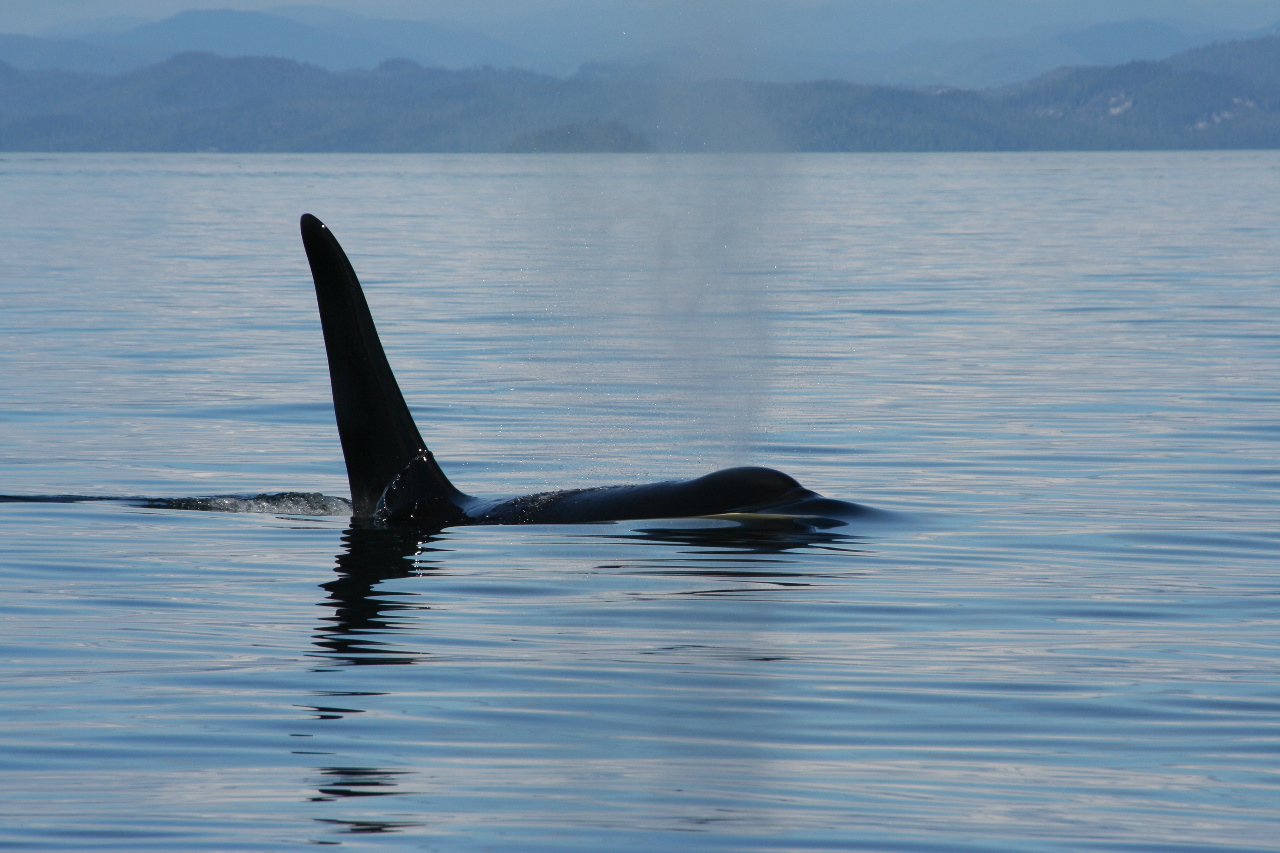
The northern resident orca pods contain more than 230 orca in total. The northern pods mean north of Campbell River on Vancouver Island and extending the British Columbia coast. This is a large male resident orca. Good to get a photo with much of the back exposed. The timing is harder than one would think.


Whale Watching near Telegraph Cove on Vancouver Island

Resident orca spend their summers in the area between Vancouver Island and the BC mainland and are likely to be found near Robson Bight which is part of the Johnstone Strait. A good orca photo will try to capture the bulk of the orca out of the water with their eye patch showing. Success! Wildlife normally viewed on a “whale watching tour” included orca, humpback whales, stellar sealions, seals, eagles, a variety of ducks and frequently black bears. Photos by

Peter Palstring 4-6

Vancouver Island – Telegraph Cove Area (3 of 3)

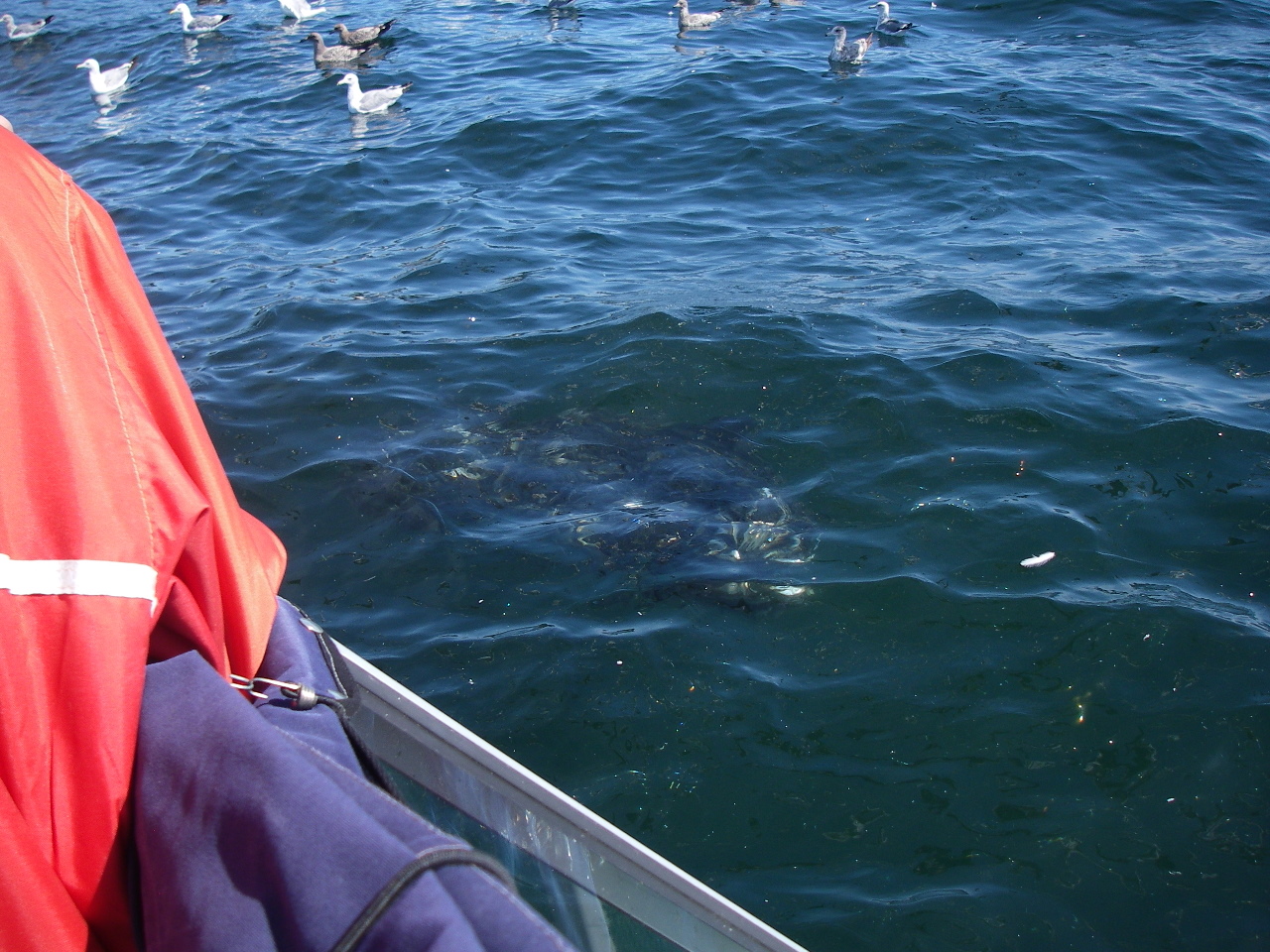
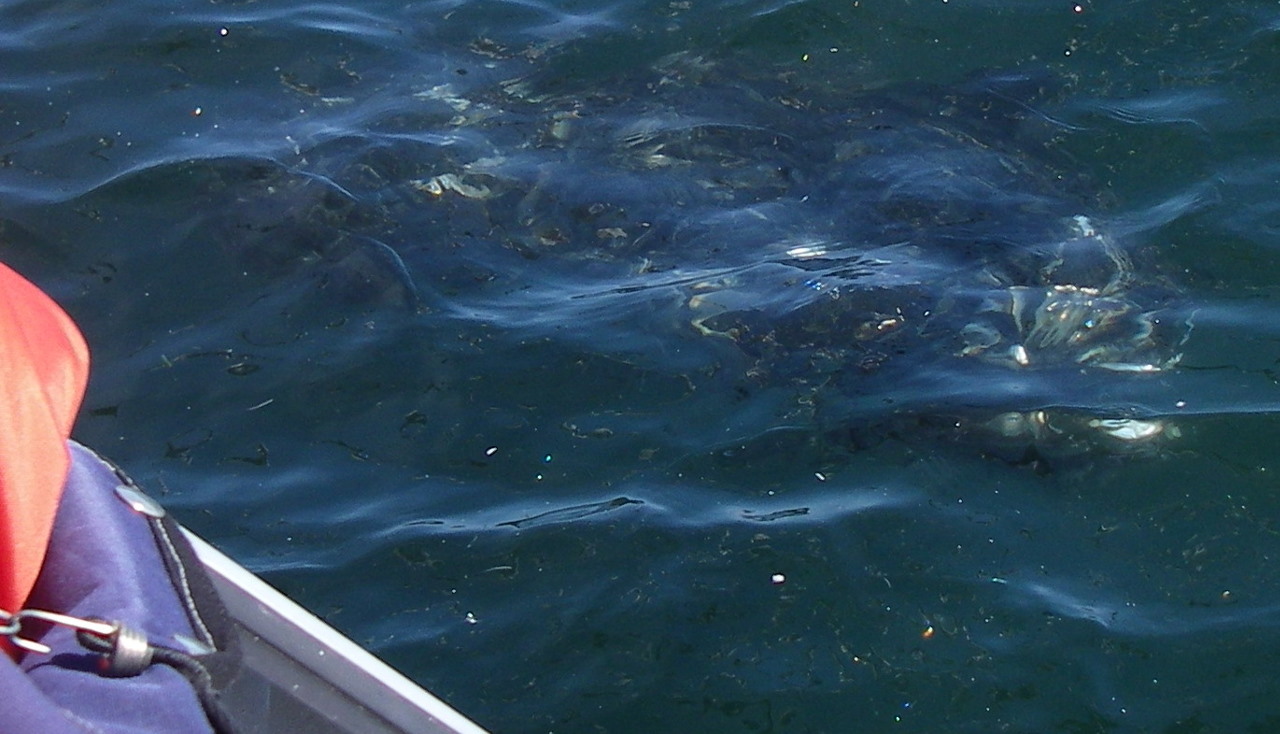
Many herring balls form off Bold Head which is a land mass not far from Telegraph Cove a tourist destination on Vancouver Island north of Campbell River. The ideal photo will be one like the one taken byGary Wilson, it is what you hope to have in your picture, a humpback lunge feeding. The plan is to sit near a herring ball and wait until the gulls shoot into the air and be ready.

Vancouver Island – Telegraph Cove Area (2 of 3)

The herring in the waters along the shores of Vancouver Island are at the bottom of the food chain (just above plankton and krill). You know your position in the food chain when your main defense is getting in a tight ball and revolving from inside to outside so you can breath. The many ducks and diving birds in the area force the herring into balls, which try to escape by moving up to the surface. This attracts gulls and attracts whale watching guides and guests.