All posts by Lodge Guide

Visiting Orca

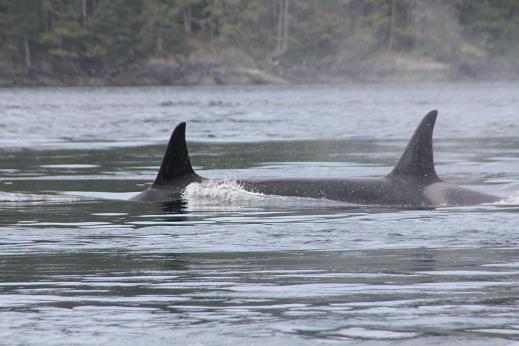
Two Orca

 At a first quick glance this might appear to be a “deformed orca” with two dorsal fins, but no it is only a calf and mother. Orcas travel in small groups or pods that are known by the identity of the oldest female in the pod. The pod structure for the orca is a matriarchy. This is a social organizational form in which the mother or oldest female heads the family or in this case the pod. The male orca stays with their mother all their life and breed outside the pod.


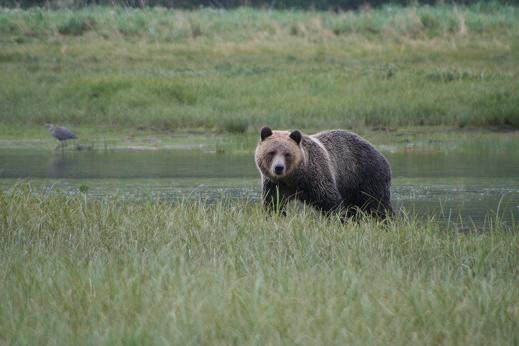
Large male grizzly in estuary

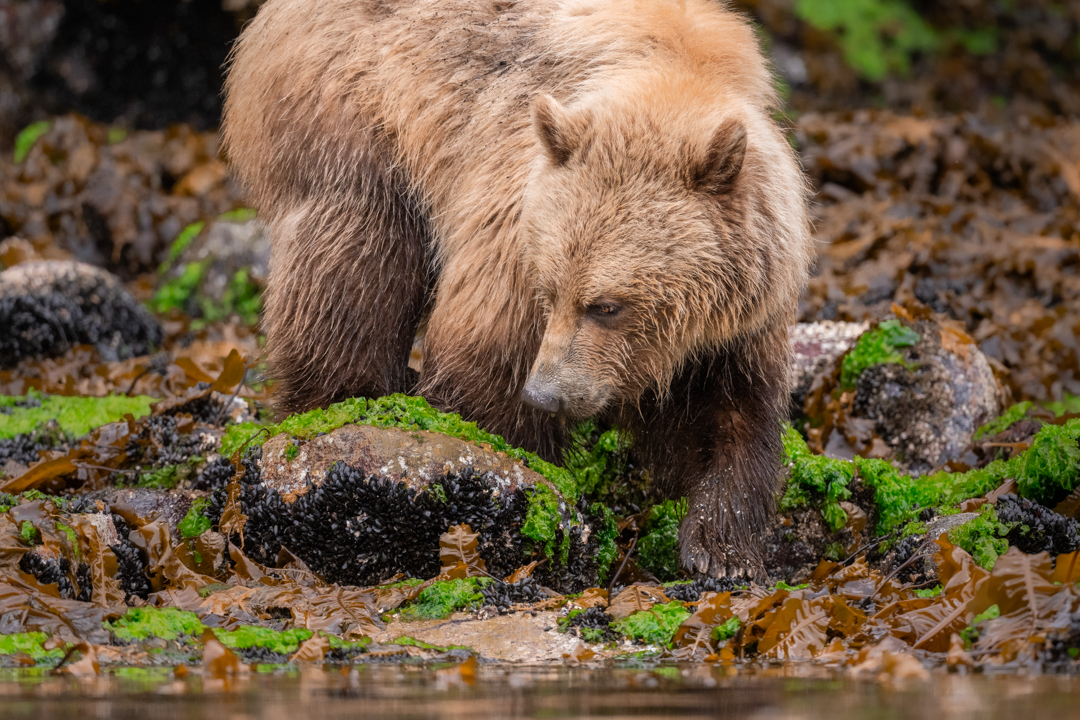
Spring male grizzlyGrizzly bear tours from the lodge travel up Knight Inlet to Glendale Cove and the river estuary. Both spring and summer tours take advantage of the tidal change to move up and down the river. We use an eighteen-foot flat bottom skiff that allows us to move up and down the river in very shallow water. The riverbanks and estuary are covered with a very protein rich sedge grass that the grizzlies graze. They have become accustomed to our presence and provide interesting photos as they observe us.


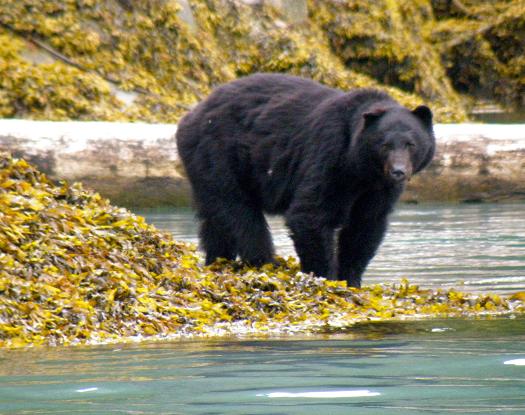
About to swim between islands

Black bear on beachAs we came along the shore on one of the whale watching trips we came upon this black bear stand at the edge of a small channel between two islands. It was not turning rocks and as we waited it went back up the beach into the bush. One of our other boasts was a about ten minutes behind us and when they got to this same point the bear was in the water swimming between islands.  As in most wildlife viewing timing in important.


Humpback fluking close

Humpback fluking closes a guide when I take photos in the boat I try to put things in perspective. For convenience I use a small Pentax OPI waterproof camera. This photo shows a guest taking a picture of a humpback whale fluking in the background. With the camera he was using and the closeness of the whale he has a good photo to take home and show his friends. This brings me to a word of caution I give all the guests in my boat: “Put down the camera and enjoy the experience”.  If on your vacation, especially on wildlife tours, if you view everything through the lens of your camera you will miss more than half of the experience.

Cubs stay close to mother

Spring grizzlyGrizzly bear watching in the spring is always made interesting because of the reaction of the cubs. Born in January of February the cubs are only five or six months old. When we first see these cubs in the end of May everything is new for them. We are their first interaction with boats and they are wary. Normally on their first encounter they leave the beach (and mother)) for the trees but the mother’s reaction is the teaching tool for the cubs. This is not new for the grizzly mothers so by the third encounter, as in this photo, the cubs still keep an eye on the boats but stay on the beach with mom.


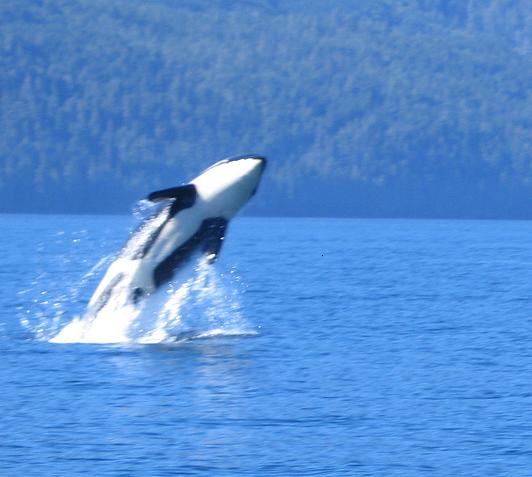
Killer whale breach

Orca bellyThis photo shows that orcas exhibit dramatic coloring, with glossy black upper surfaces and brilliant white bellies. Appearing lighter from below and darker from above this allows the Orca to blend into the ocean environment and camouflage itself from prey. Even the top ocean predator need to be able to appear invisible while hunting.


Whale watching

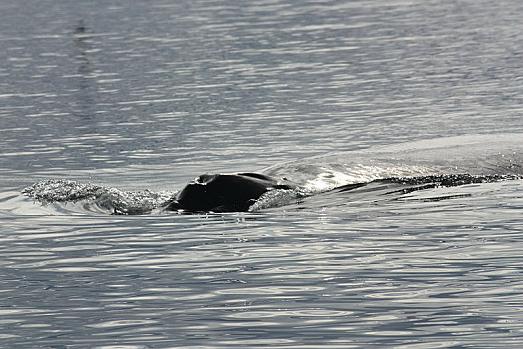
Humpback whaleWhale watching trips from the lodge will often eat their picnic lunches on the water. Sitting quietly becomes a time for excellent viewing of the surrounding marine life. Humpback whales are very cautious is an area with boats traveling likely because they cannot be sure of their direction of travel or any sudden change that may occur. But we have found that by sitting quietly while other tour boats are returning to exchange their guests we are able to enjoy close up wildlife viewing.


Siblings on the lookout

Sibling grizzlyThe grizzly bear viewing platforms used by the lodge provide variety of viewing opportunities. The finger stand is located between the natural river and the entrance to the spawning channel. The grizzlies walk up and down the river using it as a path between various fishing spots.  They also move to the other side of the stands, which is the holding s area for the salmon, before they move on to spawn in the man made spawning beds. These two grizzly siblings are on the river side of the viewing platform but are keeping a close eye on a mother and cubs that just passed behind the stands to fish in the holding pool. Sub-adults are always careful of mothers with cubs and will stay back while they are in the area.


Orca passing behind boat

Orca PassingThe northern resident (fish eating) orca in our whale watching area number more than two hundred and fifty individuals. This community consists of 3 clans (A, G and R) and numerous pods within each clan. The individual pods seem to contain less than a dozen members but will often join together to travel in larger groups. The killer whales viewed behind our boat were part of a larger group that was in front. It is best to avoid being in the middle of the group of orca but it is not possible to control their action as pods split off to travel alone.


Spring grizzly cubs

Grizzly cub playingIn early June on grizzly bear trips up Knight Inlet from the lodge the grizzlies and their cubs are found along the shore. The mothers bring their five and six month old cubs to the beach as they are in search of the protein made up of crab, clams, barnacles, amphipods and other tiny invertebrates they can find under beach rocks. The many types of berries are not ripe and the only other protein is sedge grass that grown in the river estuaries. The cubs do turn rocks and graze on the grass but they also like to climb and play. This cub spent a good twenty minutes attaching this small tree on the stump.