All posts by Lodge Guide

Killer Whales also fish

killer whales fishing
Click to enlarge then click again

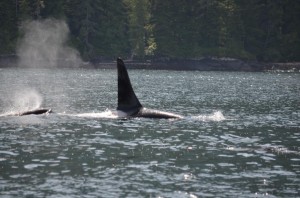
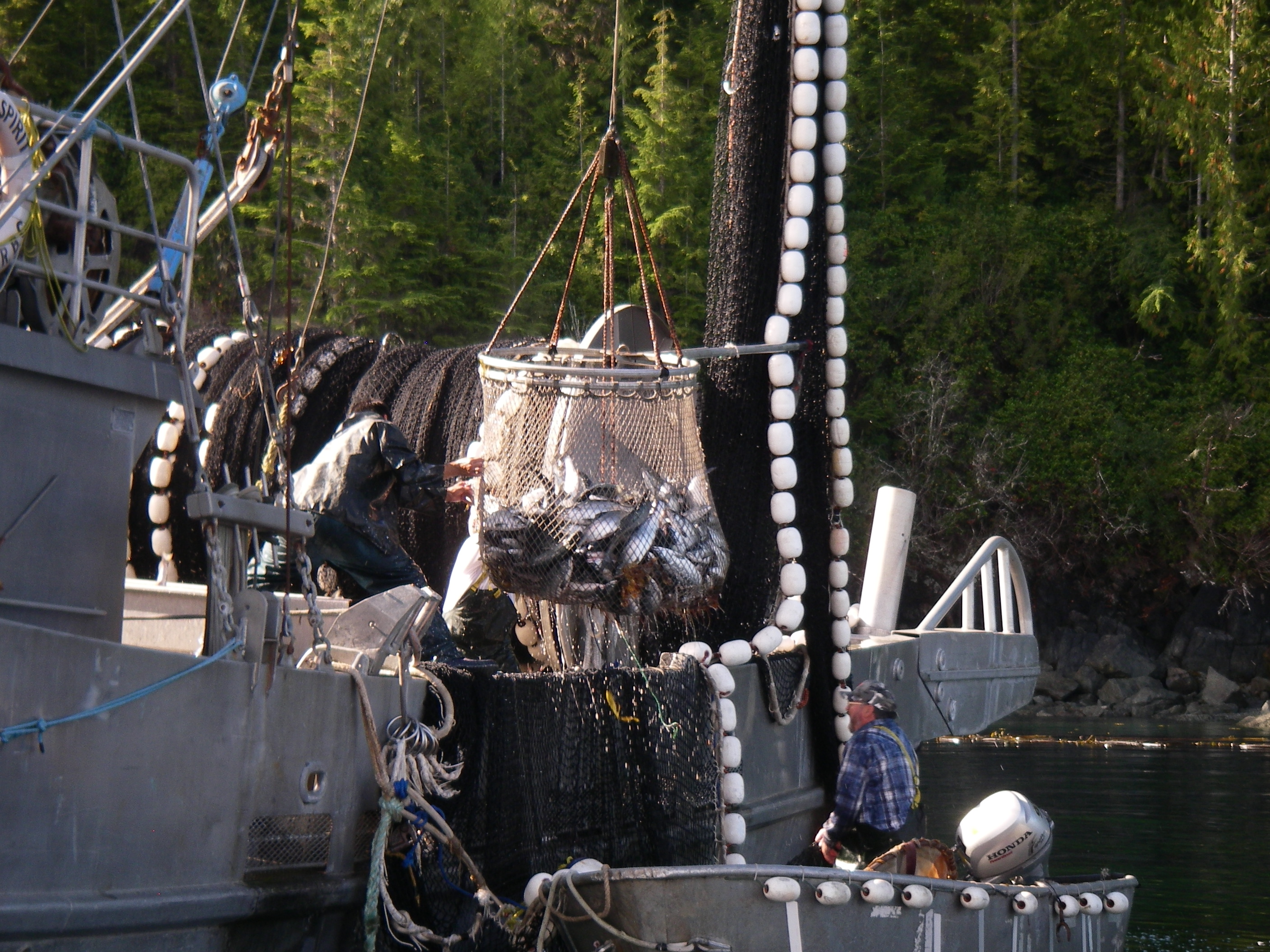
The post from yesterday with the seine boat netting salmon is in direct competition with today’s killer whales fishing. I have found over the years that during the commercial fishing season, which is not much, more that two weeks the orca stay away from the areas containing the fishing boats. Fortunately the commercial fishing area is a small portion of the viewing area for orca and humpback whales. In a way it is helpful in that it eliminates some area from our search grid and helps to locate the humpbacks and killer whales a little faster.
 

Summer “Food Fish”

commerical fishing
Click to enlarge then click again

Not all of the time on the whale watching safari trips is necessarily spent watching wildlife. Once the wildlife viewing is satisfied there are often other interesting activities occurring. On this day it was a commercial seine fishing boat. They had set their nets and after about an hour they are required to pull them in and empty their catch before resetting. Once the net is close to the boat they use a bailing net to remove the salmon and on this day they emptied about eight bail nets full. A reasonable catch for a few hours work.


Summer Grizzly Bear 3 of 3

waiting grizzly female
Click to enlarge then click again

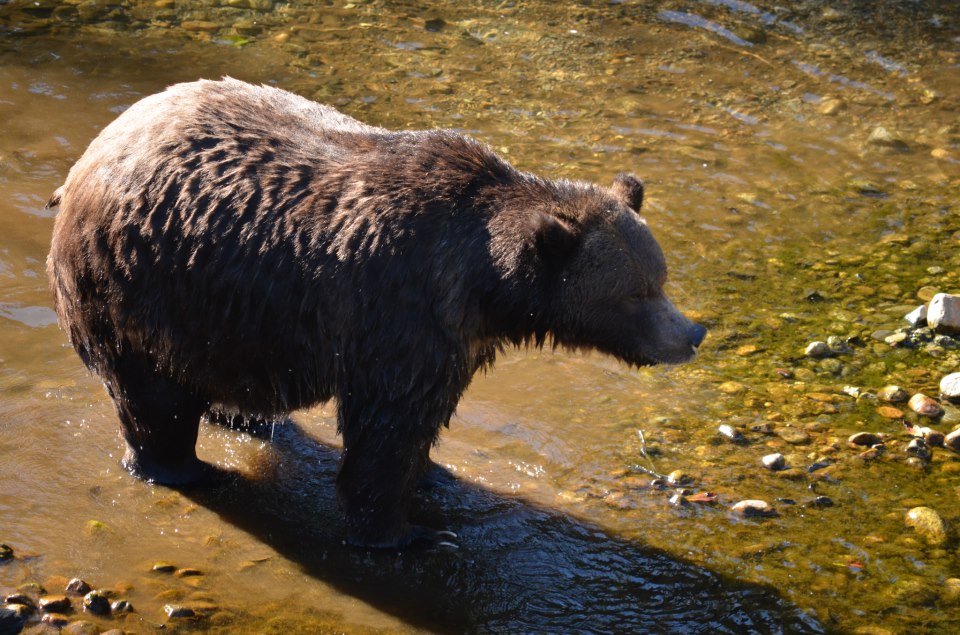
This is a grizzly bear destined to have a good hibernation. However according to the Natural History Museum grizzlies that live in climates with cold winters when food sources are limited spend the winter in a dormant or sleeping state.  This “sleeping period” is often referred to as “hibernation”, but it differs from true hibernation in several ways:
    –  In true hibernation, an animal’s body temperature drops to a few degrees above freezing and if disturbed it takes a couple of hours to wake up
    –  Although a sleeping Grizzly Bear’s body temperature is lower than normal, it is not as low as true hibernators and its respiration rate is only slightly below normal. During winter sleep, bears are alert and easily aroused.


Spring / Summer Grizzly Bear 2 of 3

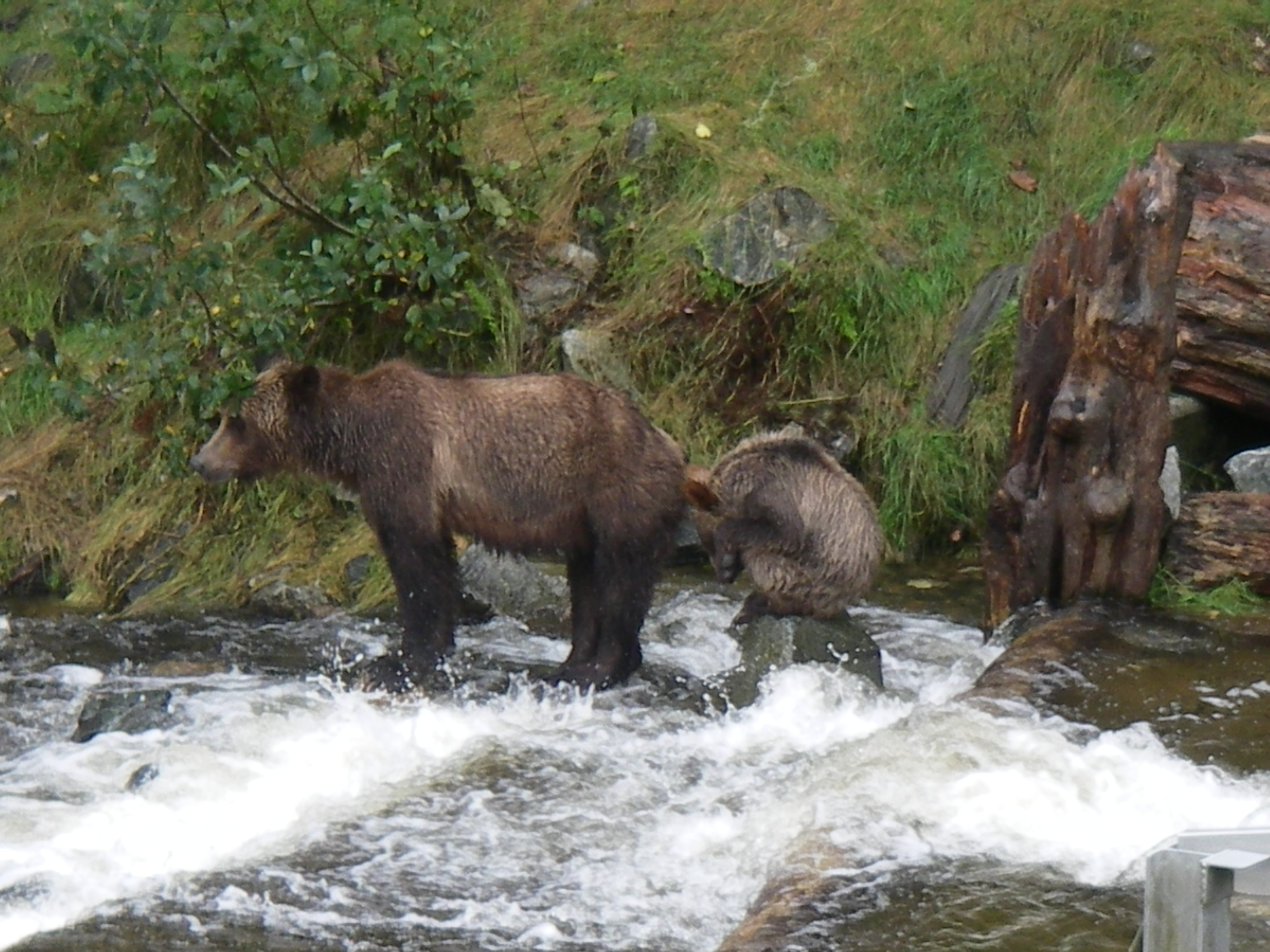
grizzly cub staying dry in river
Click to enlarge then click again

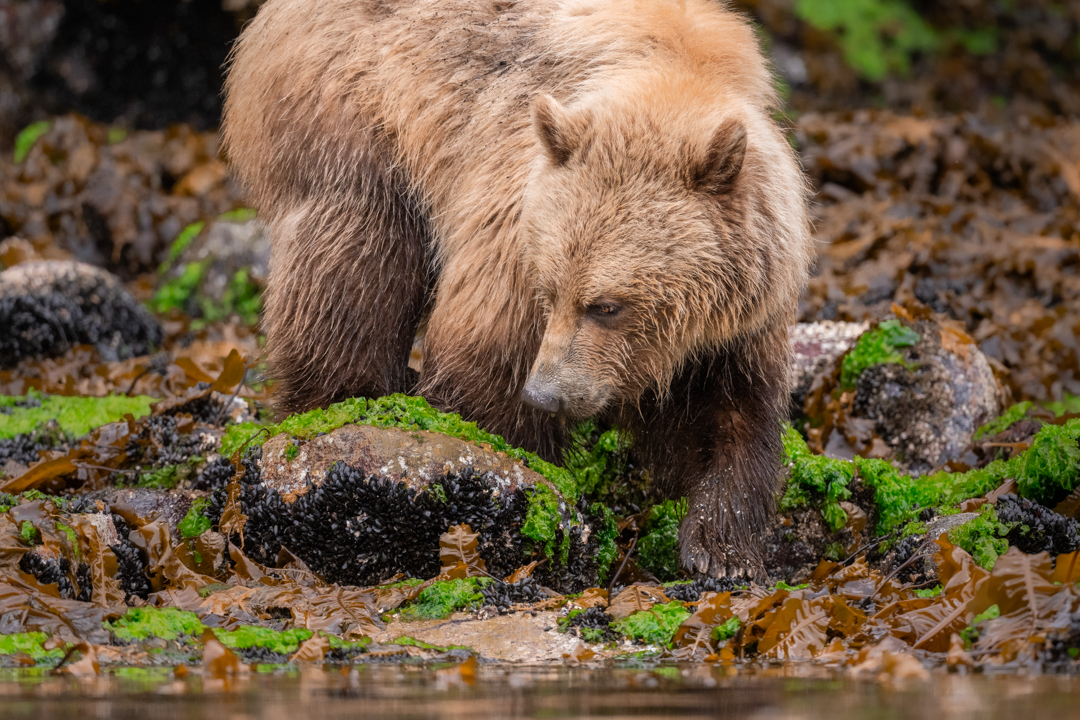
The picture of the grizzly bear viewed in yesterday’s post was taken on July 13th and today’s was August 27th. The common denominator is both bears have very long looking legs because of the absence of the fat winter belly. The first bear has been grazing on sedge grass and turning over rocks for protein. This is a subsistence diet and not much weight gain for this bear. The second grizzly bear and cub have just started to fish for the salmon on the upper river and have not had a chance to put on the necessary bulk for hibernation. If you take time to check out the previous posts on June 4th and 8th you will see bears near the end of the season that have had time to add the necessary layers of fat to survive the winter. Or wait for tomorrows post and see a fat bear!!


Spring / Summer Grizzly Bear 1of 3

grizzlies grazing river sedge
Click to enlarge then click again

The spring / summer grizzly bear viewing season is from late May until August 24th. After August 24th the grizzly bear tours are permitted by the Canadian Department of Fish and Game to travel the short fifteen-minute van ride to the viewing platforms on Knight Inlet’s Glendale River. Prior to the 24th all viewing takes place on the shore of Knight Inlet and Glendale Cove. The spawning salmon arrive in mid-August and are given several weeks to make their way up the river and for the bears to settle into the area of the spawning channel before bear viewers are permitted in the area… more tomorrow


Trapper Rick’s Bear Facts

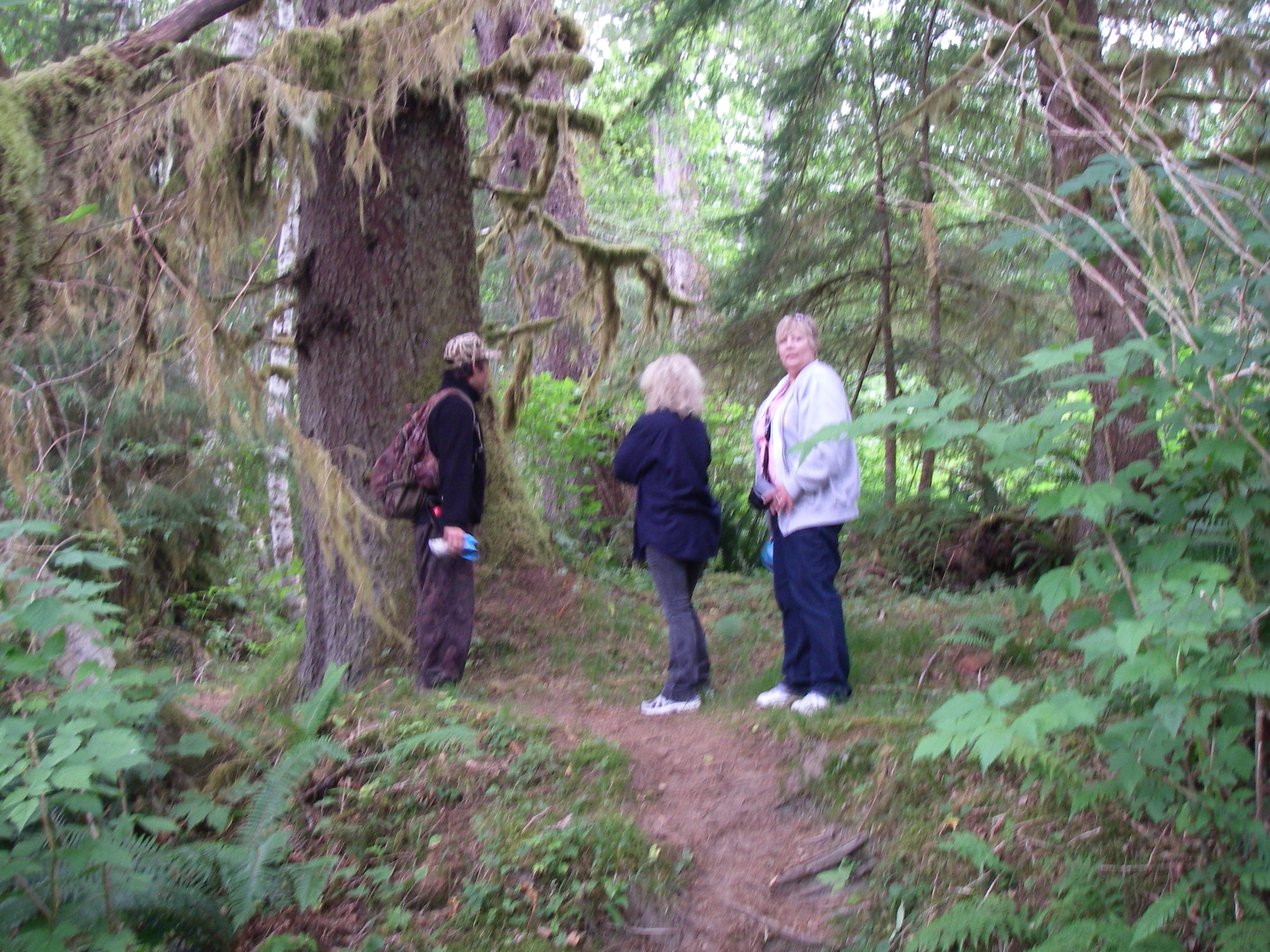
trail walk at trapper ricks
Click to enlarge then click again
black bear skeleton
Click to enlarge then click again

On the short walk to Trappers cabin guests stop to wait for other guest to catch up with Rick. No they are not wandering around on their own. Rick is the lead guide on this day while your lodge guide brings up the rear so there are no stragglers. The stop is to wait and talk about the surroundings and how Rick obtained the black bear skull in the second picture. A story about a grizzly and a black bear that met on the trail and made traveling the trail interesting for a week or more. A story better saved for Rick.


Grizzly watching tour lunch break

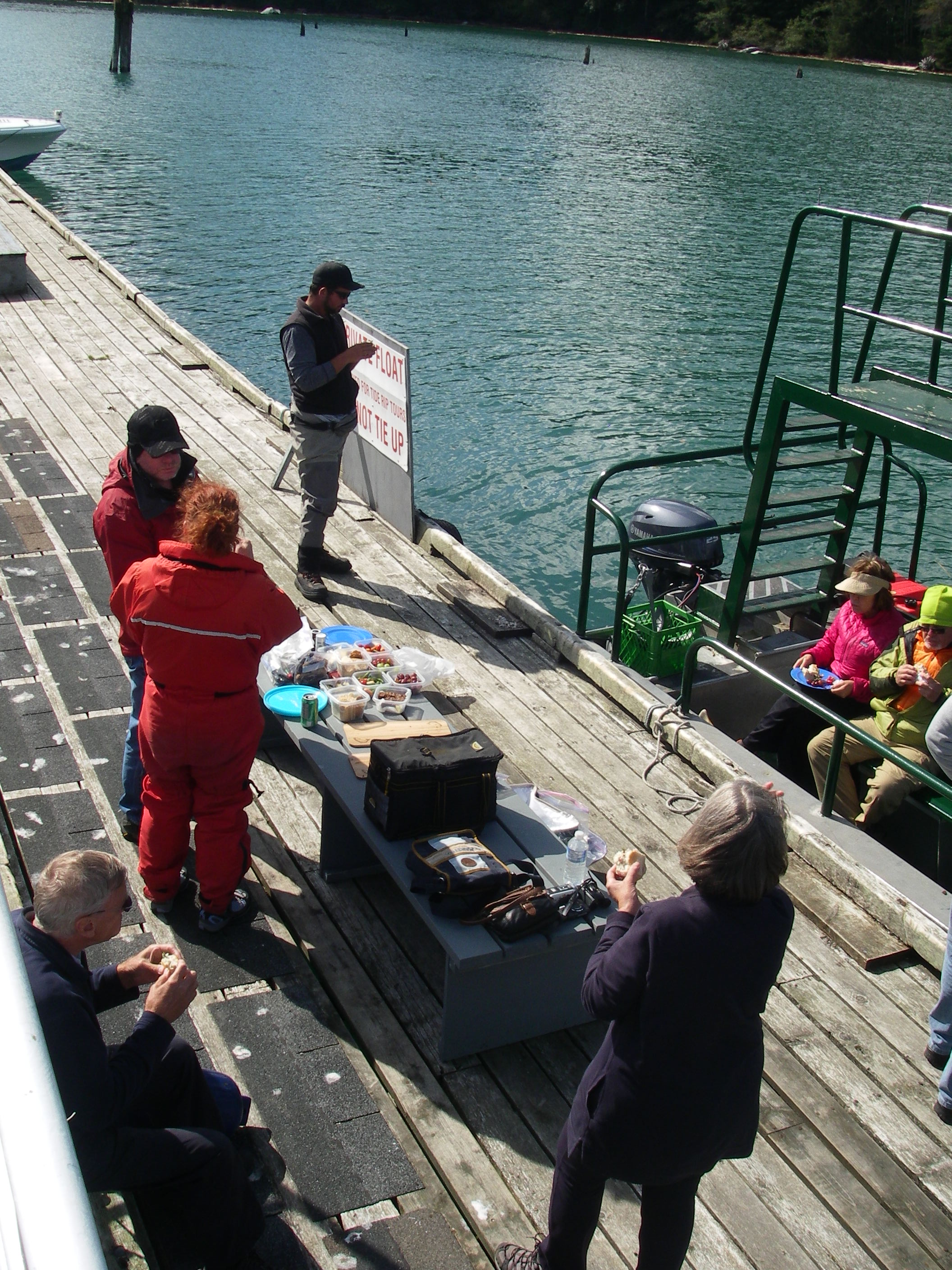
picnic lunch ondock
Click to enlarge then click again

All three day tours from the lodge: grizzly bear tour, whale watching safari and the extra day on the wild river depart at 7:30 or 8:00 o’clock depending on the spring or fall season. These same tours return between 3:30 and 4:30, which means a great picnic lunch. The whale watching picnic is normally served in the boat while drifting in the area of feeding humpback whales. The wild river trips has their lunch on the deck of Trapper Rick’s cabin overlooking a scenic river (see tomorrows posting). And as the photo shows the grizzly bear trip up Knight Inlet dine on a dock anchored in Glendale Cove. All the great lunches are packed by your experiences cook Madeline who has many invitations to go home with the guest and cook for them. 


Grizzly bears playing 2 of 2

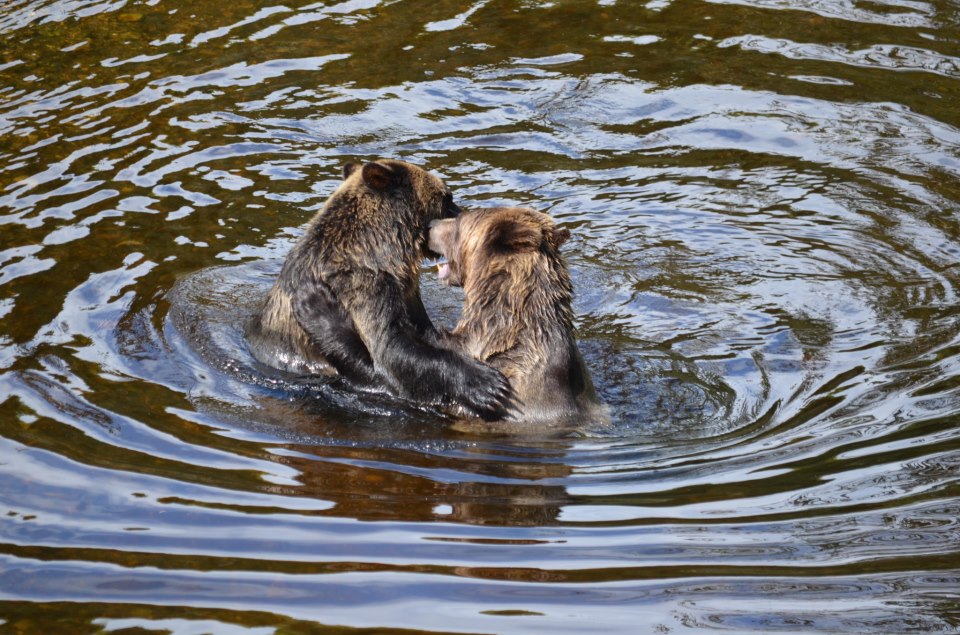
grizzlies fight in water
Click to enlarge then click again

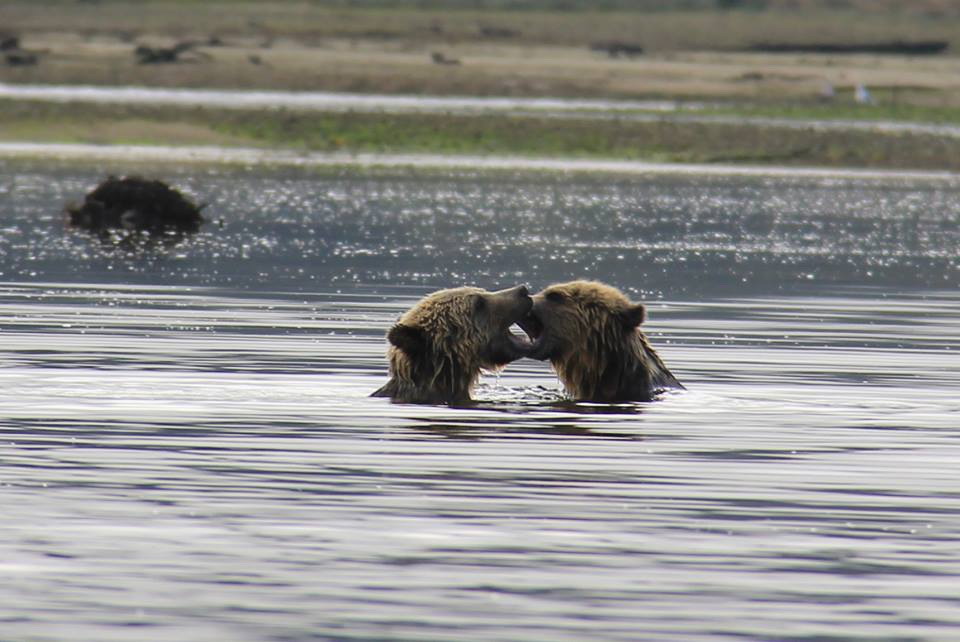
A different set of siblings than yesterday’s post but still playing.  These two are later in the fall up the river below the viewing platform near the intake to the spewing channel. In this case they are tired of catching and eating the salmon that are here to spawn and taking a break to play fight. It was not serious because there are so many salmon and we had watched these two filling up on salmon for over an hour so no need to fight over the best fishing spot. The abundance of salmon is shown in the fact that the bears in the Glendale River are not scared nor do they shown open wounds as the bears from many of the rivers in Northern BC and Alaska.


Grizzly bears playing 1of 2

fighting grizzlies
Click to enlarge then click again

A rising tide in Knight Inlet’s Glendale River estuary provides an opportunity for sibling grizzly bears to play. After leaving their mother juvenile bears may spend two of three years together until they reach sexual maturity at age six or seven. This is a break from spending the morning turning over rocks and looking for protein rich food now that the tide has risen…. more tomorrow


Humpback whale feeding

humpback very close feeding
Click to enlarge then click again

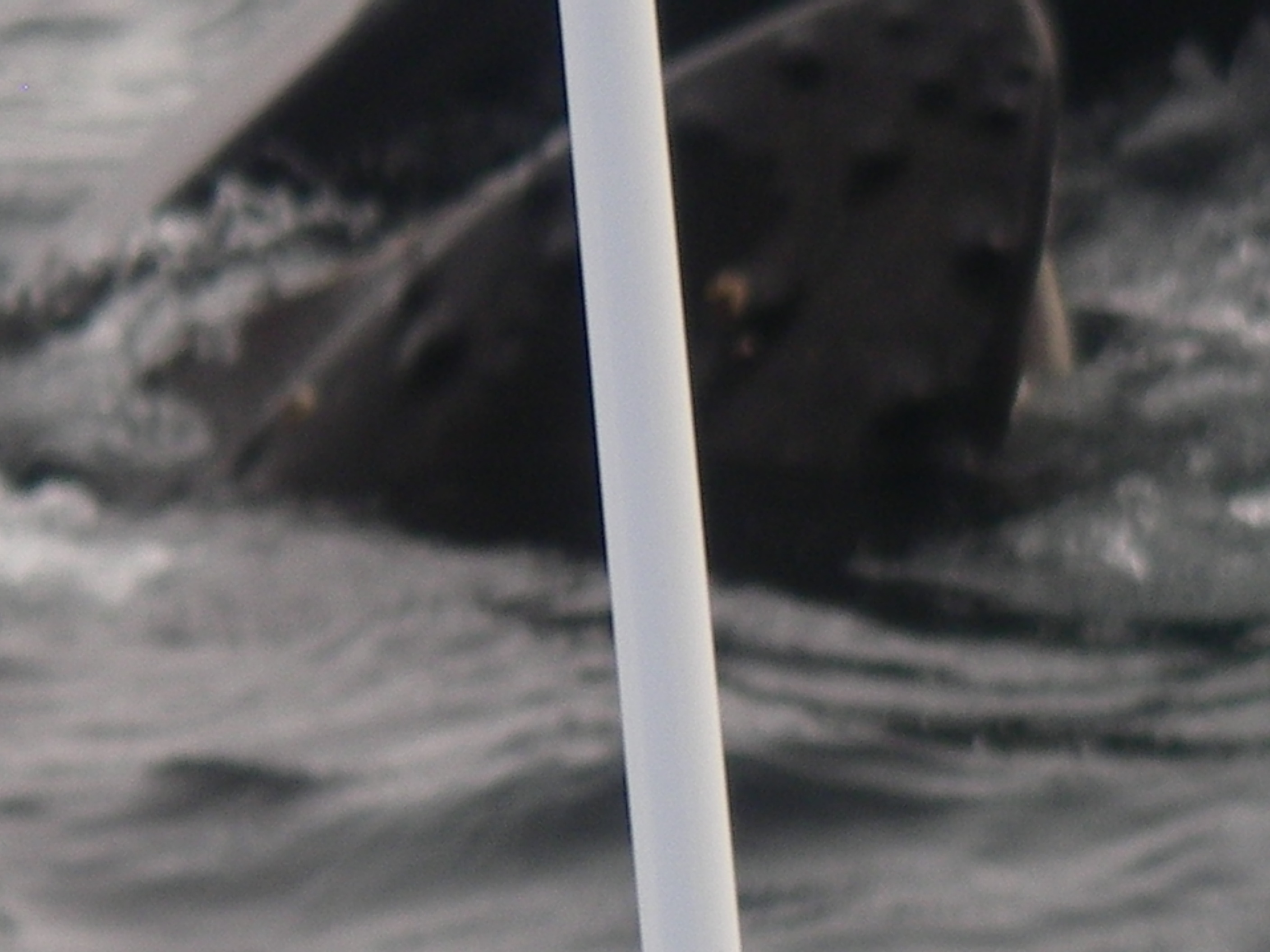
While parked within photo range of a herring ball it is important to remember that humpback whales have and excellent sense of their environment. They will surface close to the boat but they are aware that you are in the area. The other important point is not to be moving while you are waiting or the whales will not know your position.  In this case the whale was close enough that it was impossible to focus the camera and those with long lenses were lost. The June 5th posting is a much better distance.