Tag Archives: grizzly

Interesting Guest Photos

follow the leader grizzlies
Click to enlarge then click again

The abundance of salmon mentioned in yesterday’s post is also the reason for the number of cubs we see from the viewing platforms. Although the grizzly bear count for the Glendale River area is more than forty-five bears, once the salmon have arrived to spawn, there are sufficient salmon to satisfy the hunger of all the bears. That is to say there is not much aggression between bears for fishing rights. There are three time slots for using the viewing stands, ours being from 10:00 to 12:00, for a total of six hours a day. The larger male bears are shyer and less likely to appear during this time allowing the mothers bring their cubs to fish and feed without fear from the males. As this picture from James O’Donoghue of Great Britain shows a mother and cubs coming for lunch.


Interesting Guest Photos

swimming grizzly
Click to enlarge then click again

The day trip to watching grizzly bears, after August 24th, is at viewing stands on Knight Inlet’s Glendale River. The viewing stands are near a man made salmon spawning channel, which attracts the bears to feed because of the abundance of salmon. The grizzly bears have become accustomed to our presence and the majority of the time we are ignored. James O’Donoghue of Great Britain seems to have captured the exception on film. This bear swimming below the viewing stands is definitely making eye contact which may be because it is about ten meters (thirty feet) from the platform.


Grizzly Bear watching on the Glendale River – 7 of 7

river lunch
Click to enlarge then click again

We are normally back to the float for a picnic lunch around 1:00 but that may vary depending on the tide. If the high tide is later in the morning then we have an earlier lunch and return to the skiff do we can go up the river. If the guest have had enough of the grizzly bears and lunch we start to head down Knight Inlet for the forty kilometer (25 mile) ride back to the lodge on Minstrel Island. The an hour and quarter boat trip may take two or more hours some times due to the afternoon winds and the desire for a comfortable ride but most often because of the side trips to enjoy the scenery of the inlet and to look for more black bears and dolphins. …..tomorrow starts a Whale watching safari.

Grizzly Bear watching on the Glendale River – 6 of 7

grizzly walking river bank
Click to enlarge then click again

Continuing up the river we saw several grizzly bears that I was not able to photograph but the guest got some great pictures. We came to one bend in the river and there were two sub-adult grizzly bears slowly coming down river. I pulled the skiff to one side of the river and they came down the opposite bank. This took about fifteen minutes as the bears were fishing for salmon as they worked their way past us. These pictures are not really clear as I was holding the boat while waste deep in the water and using one hand to focus but I can assure you that the guest got some great pictures and memories. The comment was that “I wouldn’t want to be any closer.”  I agreed.


Grizzly Bear watching on the Glendale River – 4 of 7

salmon tail in grizzly mouth
Click to enlarge then click again

The other side of the viewing stands from yesterday’s posting shows a grizzly bear enjoying a meal. The time of the spawning season determines how much of the salmon the bears eat. When the salmon first arrive and the bears are the hungriest they eat the complete salmon and the same occurs at the end of the season when they want to get as fat as possible. In between these times grizzly bears are selective in their eating habits often catching only female salmon for their eggs. Also only eating the skin with its layer of fat, which is desirable, as is the brain. This bear is about 20 meters (60 ft.) from the viewing stands and has one interest and that is food.

Grizzly Bear watching on the Glendale River – 3 of 7

salmon in river
Click to enlarge then click again

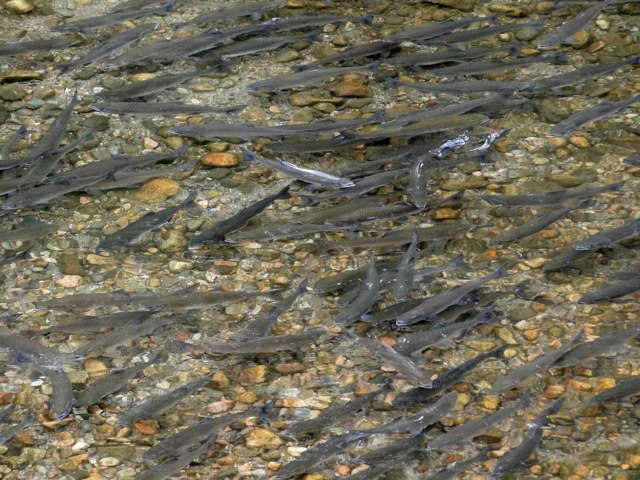
The drive to the viewing stands from the finger of land where we leave the skiff takes fifteen minutes through the treed hillside along the river. The posting on January 1, 2014 shows a google map of the river and the location of the spawning channel with the viewing stands. The photo in this posting shows the number of the salmon in the natural river on one side of the stands on the other side of the stands at the entrance to the wier and spawing beds the salmon are even more abundant. The Department of Fisheries closes the entranc to the spawning channel once 80,000 pink salmon have entered the remaining (400,000 or more on a good year) salmon spawn in the natural river.


Grizzly Bear watching on the Glendale River – 2 of 7

knight inlet view
Click to enlarge then click again


knight inlet mountains
Click to enlarge then click again

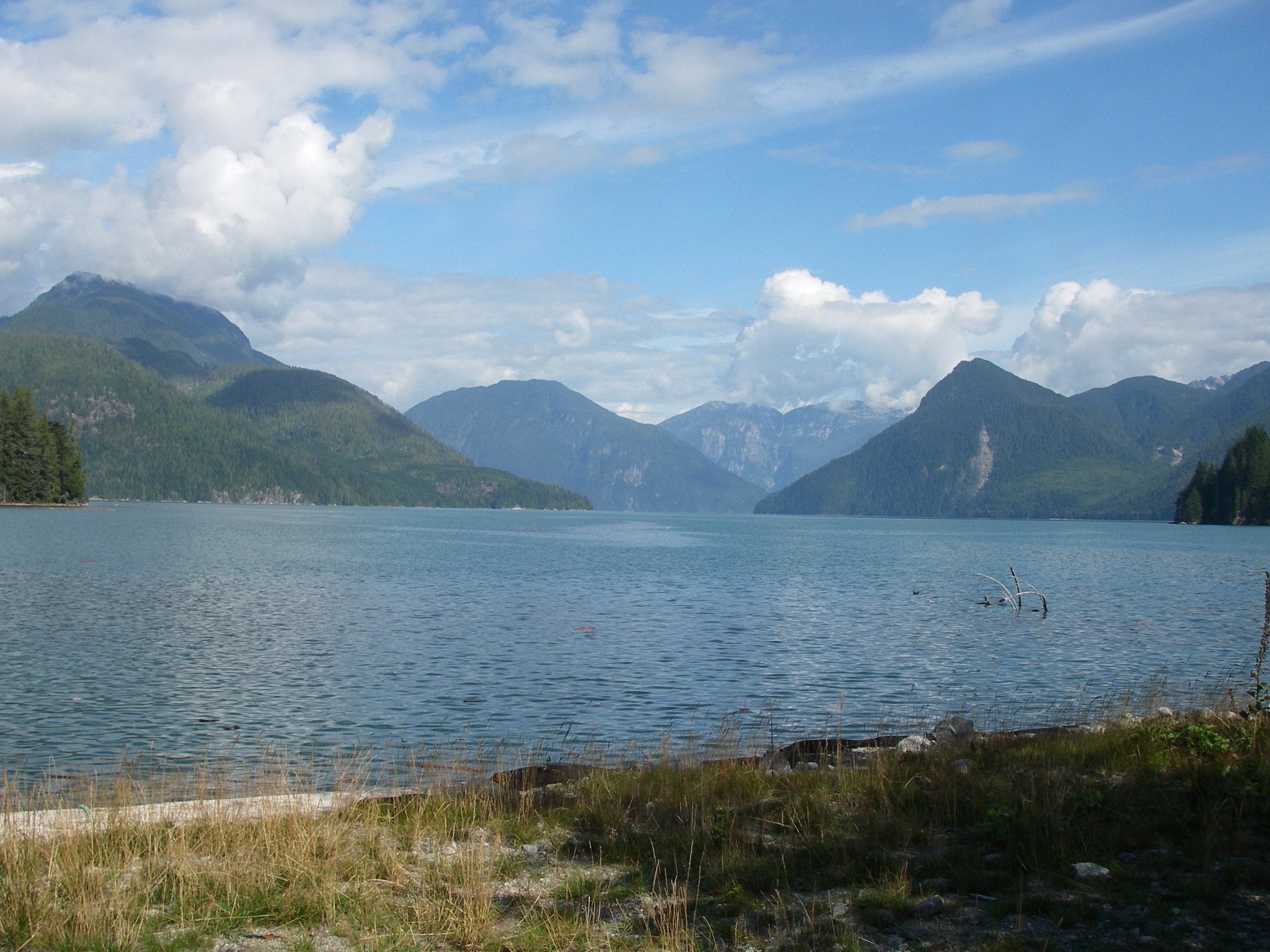
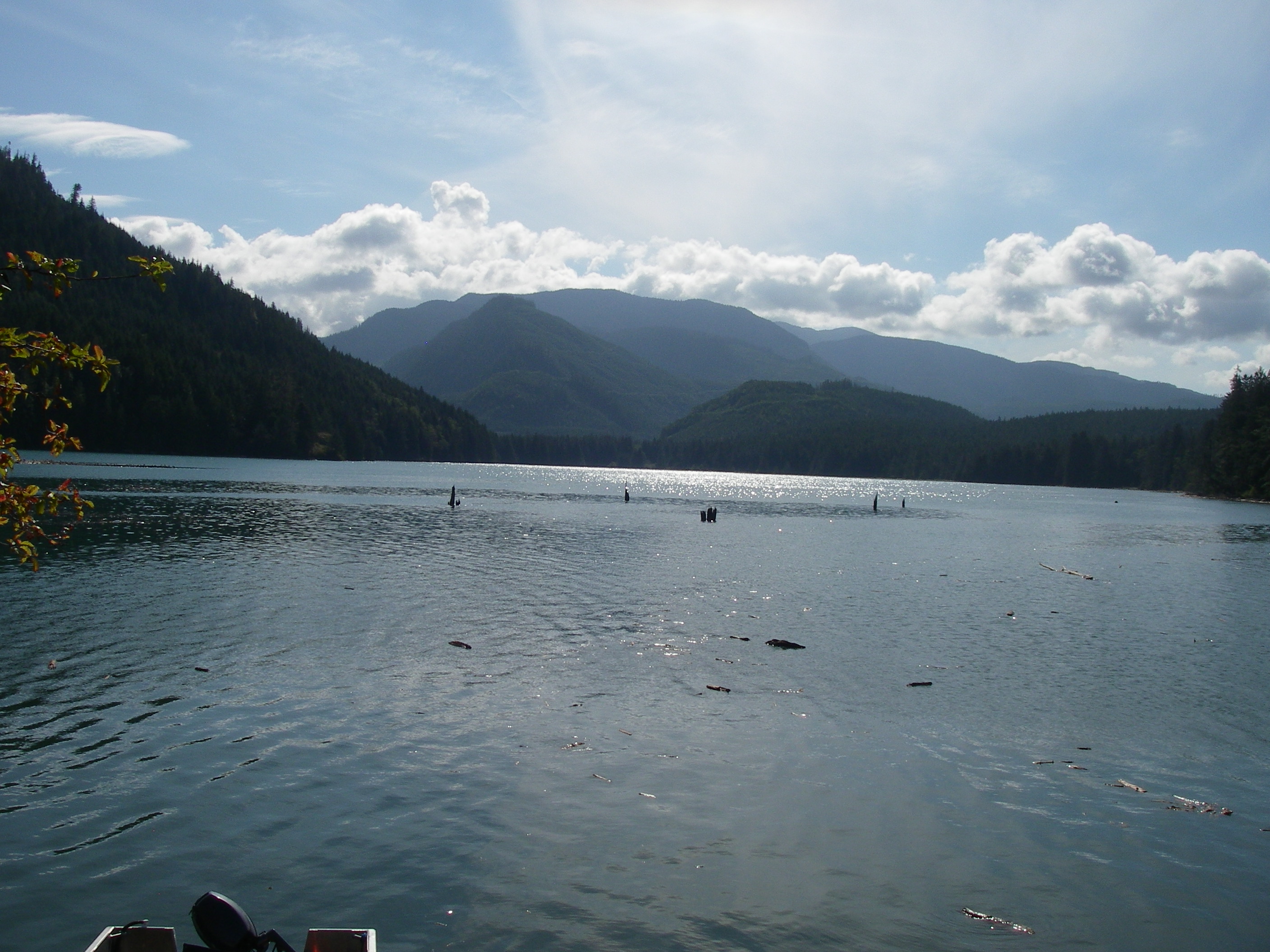
When we go to shore to drive up the river we land on a finger of land that was an approach to a dock once used by a logging camp. The first photo is the view looking out of the Glendale River estuary and up Knight Inlet. The River is about half way up Knight Inlet which means the Inlet extends for another 72 kilometers (45 miles) to the head. The second photo is looking into the mouth of the River as you can see the stern of the skiff from yesterdays posting. This photo was taken at high tide as the tops pilings you can see may be 5 meters (15 ft.) out of the water at a low tide.

Grizzly missing salmon

grizzly snorkling
Click to enlarge then click again

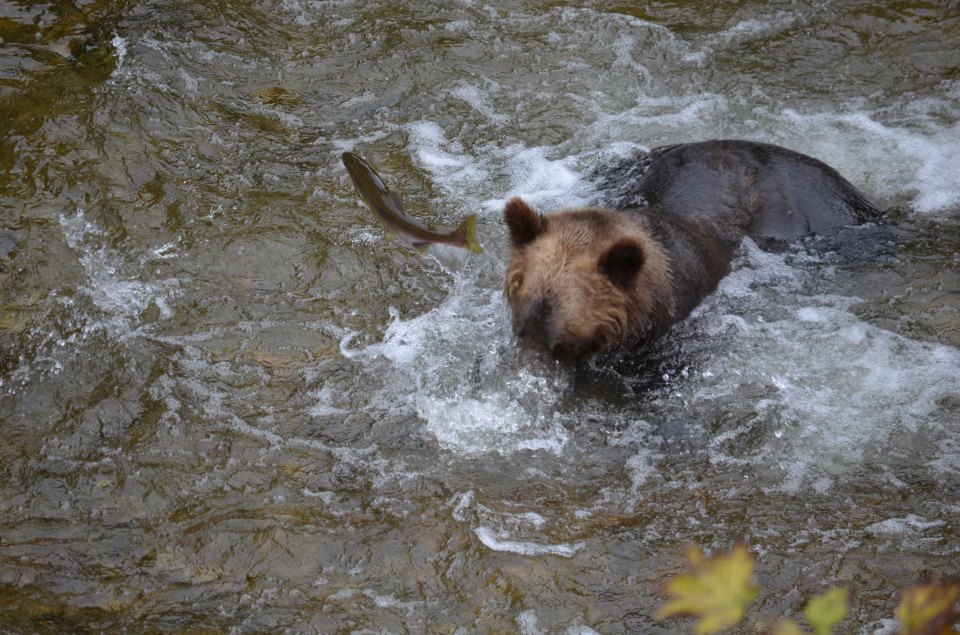
Great photo of “the one that got away”. Grizzly bear watching from the viewing stands on Knight Inlet’s Glendale River takes place after August 24th. This photo was taken from the finger stand, which overlooks the holding pool where the salmon wait before going into the spawning channel. In this case the grizzly was about seven meters (21 feet) below the stand at the edge of the pool. The water at this point is about a meter and half (4-5 feet) deep and it is really hard to catch a salmon in deep water most of the fishing on this side of the stand is picking up dead or wounded salmon that have drifted into the pool.  The other side of the stand is the natural river, which offers better fish but not as easy catching. It appears that this bear was trying some river fishing techniques without much success.

Grizzly Mother and spring cubs

grazing grizzly cubs
Click to enlarge then click again

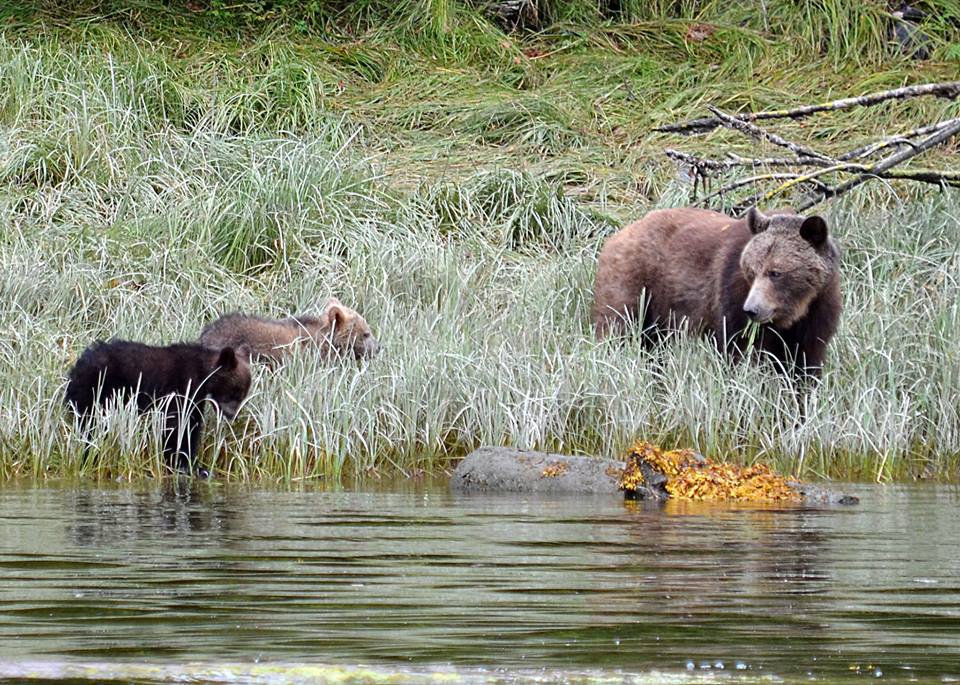
Spring and early summer (until August 24th) tours from Grizzly Bear Lodge involve a boat ride up Knight Inlet to the estuary of the Glendale River.  This photo of the grizzly bear with two spring or first year cubs was taken in this estuary. The mothers bring their cubs to the shores along Knight Inlet in late May.  The cubs born in January or February are only three or four months old and when they first appear along the shore stay close to their mothers. As time progress they move into the estuary to feed on the protein rich sedge grass.  These cubs are closer to five months old but still stay close to their main source of food as they will nurse for a few more months and there will be a few male grizzlies in the area because mating season last until mid-June.

Grizzly Sub-Adult

sub-adult grizzly
Click to enlarge then click again

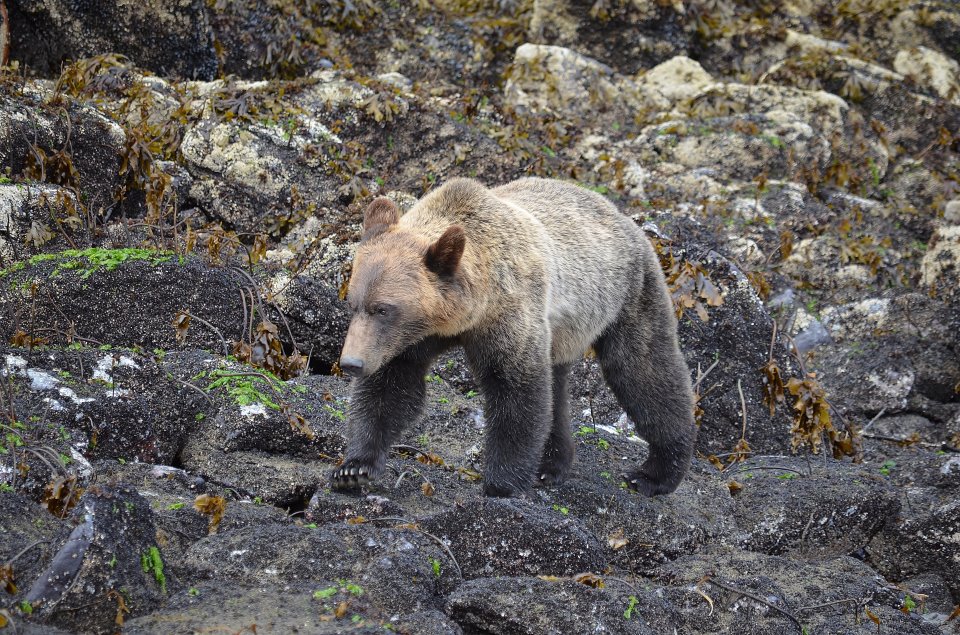
This is a great picture of a sub-adult grizzly in BC’s Glendale River estuary in the spring. The long looking legs because of the absence of a fat belly means that sedge grass and protein from turning over rock is this bear’s main food source.
Sub-adult or juvenile grizzly bears refer to the age they leave their mother and they reach sexual maturity. Depending on food abundance mother grizzlies may keep their yearlings a second (even a third) year, denning together again and breaking up in the third (or fourth) year. The average breeding age for female grizzlies is 4.5 years. Males reach sexual maturity at roughly the same age as their female counterparts. Even though males are capable of breeding at three or four years of age, they rarely have the opportunity to do so because of intense competition from older, bigger males.