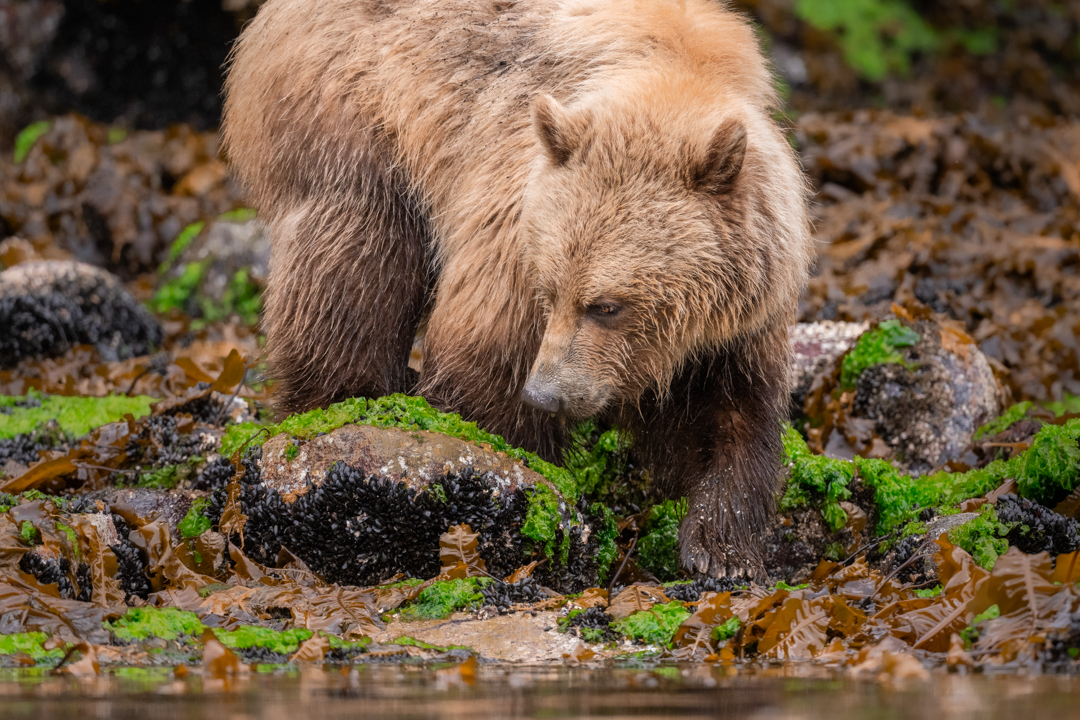
Grizzly Watching

Grizzly Bears are magnificent and the biggest reason visitors choose our lodge!

Grizzly bears thrive here and the viewing opportunities are spectacular. We have operated our Grizzly Bear Lodge for decades and know the prime spots for bear watching. The ultimate grizzly bear photo opportunities.

Spring Grizzly Cub

Grizzly with new cub

Late May the grizzly bear mothers and cubs start to show up on the shore of Knight Inlet. The hibernation ends in April or early May and they work their way down from the higher elevations where the snow is dryer for hibernation. When the cubs see their first boat that stops off shore they run and hide in the logs up the beach but by the third visit they sit close to mom and watch us. After the third visit we become part of the scenery / background and are of little interest. Cubs main interest is food and they gain weight rapidly during their time with the mother — their weight will have ballooned from 4.5 to 45 kg (10 to 99 lb) in the two years spent with the mother.


Looking Down on Grizzlies

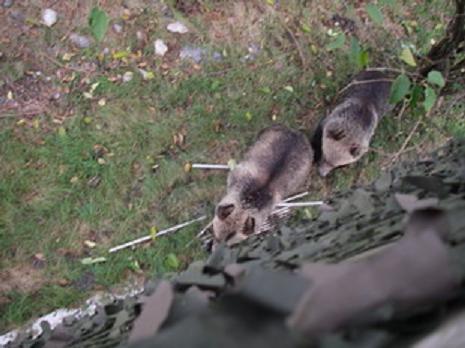
Grizzly bears Below

The viewing stands the Lodge uses after August 24th are in a good location on Knight Inlet’s Glendale River. There is water on three sides full of pink salmon and the grizzlies come to feed. As this photo shows they do pass directly beneath the stands as they move from one fishing spot to another. These two grizzlies do not appear very large because they are two-year-old cubs while one adult would be the size of the two cubs combined.


Grizzly Siblings Fight

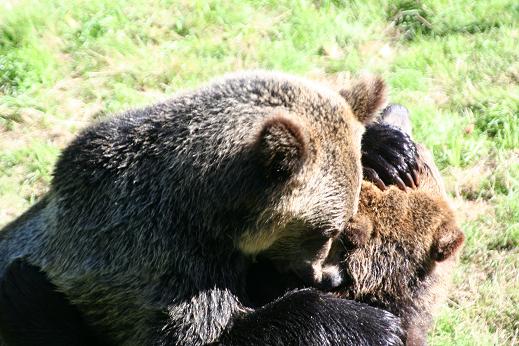
Grizzlies Play Fight

The road mentioned in the 26th post stops directly below the viewing platform and this is the location of the play fighting grizzly bears. They were beside our truck and spent about fifteen minutes enjoying some time in the sun. Once the hunger has been satisfied the younger bears often play fight to improve their skills. As they age grizzlies will fight with other males for the right to mate in a given area and also fight with females that refuse to mate with them.


Grizzly Bear Claws

Grizzly bear claws

Grizzly bears have long nonretractile claws which are 5 to 10 cm (2 to 4 inches) but they are not good climbers. Their claws are used for digging, picking fruits, and catching prey. In this case the prey would be the many pink salmon in the entrance to the spawning channel overlooked by the lodge’s viewing platform.


Curious Grizzly Bear?

Grizzly is curious visitor

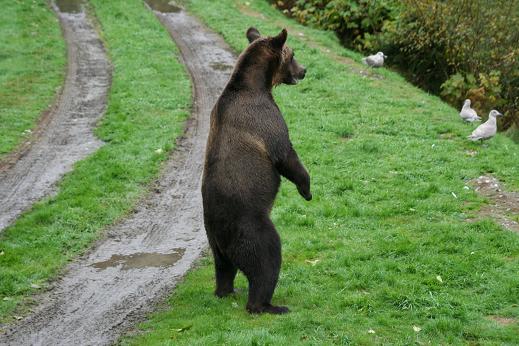
The road being blocked by this grizzly is the one we used to get to the Lodge’s viewing platform that we use after August 24th. The road is on a finger of land between the natural river and the entrance to a man-made spawning channel. This grizzly had just come up from the river and was crossing to the channel when it spotted a mother with two cubs fishing so this is more of an ALERT look than one of curiosity. This bear proceeded down the road well past the mother before going down the bank to fish and we were only a few minutes late getting to the viewing stands. The guests did not seem to mind the delay.


Dolphin Feeding

Dolphins feeding

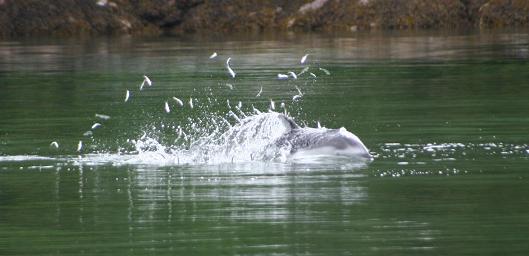
Compare this photo to the one in the September 12th posting to see they are the same type of dolphins – Pacific Whitesided Dolphins. In the 12th posting they are playing beside the boat but today they are working / feeding. The dolphins often work in pods to corral the herring and then take turns feeding but on this day it was a solo act.


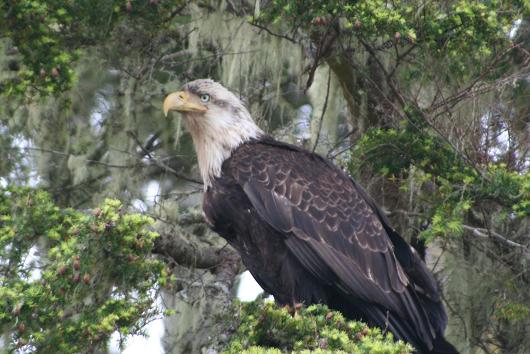
Immature Bald Eagle

Bald eagle

Adult plumage develops when a bald eagle become sexually mature; it takes five years for a bald eagle to attain solid white head and tail feathers. For the first five years they gradually change; the beak turns from black to yellow, the eyes from brown to pale yellow, body feathers from mottled to dark brown, and head and tail feathers from mottled to solid white. This eagle is close to maturity if you compare it to September 11th posting it’s head is not full white, the beak is not bright yellow or the eyes pale yellow.


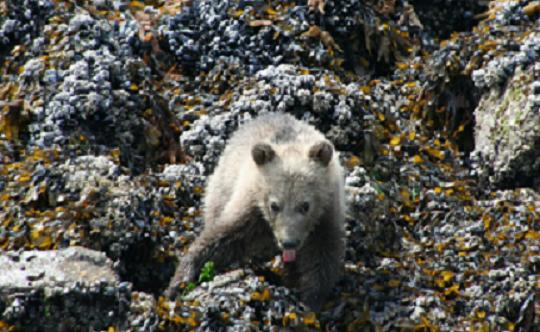
First Year Grizzly Cub

Grizzly bear Cub

This photo was taken in early June in the Glendale River estuary of Knight Inlet. By the size of this cub it was likely born in late February making it a little over four months old. The advantage of the early season tours from our Lodge is the cubs are small about 10 kg (22 lbs.) when they first appear on the beach in late May but can easily triple that weight by July. No this cub was not alone it’s mother was about 5 meters (yards) away and it was very aware of our boat which changes after a month and they ignore us knowing there is no danger from the water.


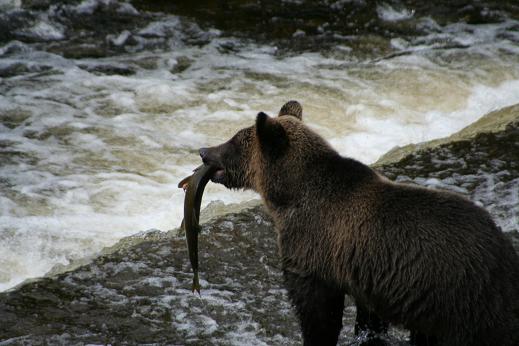
Classic Grizzly Bear Pose

Griz Eating

Not quite as good as the famous photo that you see in every advertisement of lodges in Alaska with the grizzly catching the salmon in mid-air as it leaps up the falls. But that one is a once in a lifetime photo whereas the chance of getting a photo like this one at our lodge has a much higher probability. The number of grizzlies (45 plus) that are concentrated in the viewing area of Knight Inlet’s Glendale River and the volume of salmon coming to spawn dramatically increases the opportunities of photos of grizzlies catching salmon.


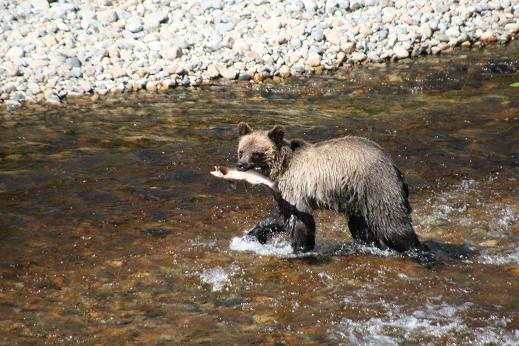
Juvenile fisher

Grizzly caught Salmon

The viewing platform used by Grizzly Bear Lodge after August 24th has water on three sides the forth side being the land access. This provides a natural setting for pictures and it also means that grizzlies are often fishing on more than one side. In the case of this photo the bear was in the natural river where many of the younger bears fish if there is a mother with cubs in the area that leads into the man made spawning channel. The mothers with first year cubs are very protective and young bears know it is not wise to “push their luck”.