Grizzly Watching

Grizzly Bears are magnificent and the biggest reason visitors choose our lodge!

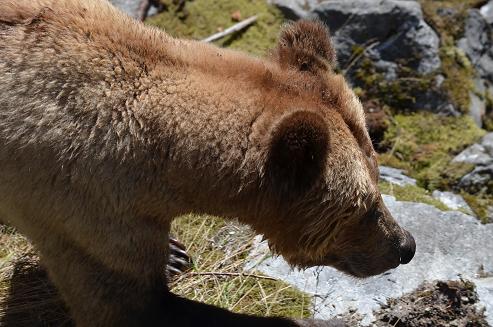
Grizzly bears thrive here and the viewing opportunities are spectacular. We have operated our Grizzly Bear Lodge for decades and know the prime spots for bear watching. The ultimate grizzly bear photo opportunities.

Sometimes lucky!

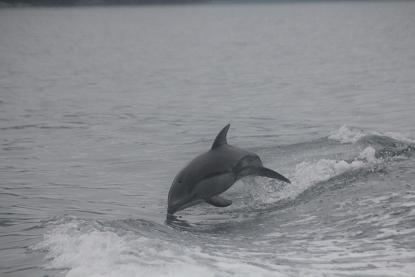
Pacific whiteside dolphins

It is not uncommon to encounter a pod of Pacific Whitesided Dolphins while on a tour from Grizzly Bear Lodge. These dolphins travel and feed in Knight Inlet as well as along the shores of Vancouver Island. This means that the encounter is as likely to happen while on a grizzly bear tour or a visit to trapper Rick’s as it is while whale watching. Less common is to get a photo of a dolphin completely out of the water this is where luck comes in to play. The best approach to getting a good photo of a dolphin is to take as many as possible in the hopes that one will contain a dolphin and not just water or sky. Luck often is better than skill.


“A family that stay together” Grizzly Bears?

Grizzly Bear Siblings

These two sub-adult bears are likely in their fourth year and it is common to see grizzlies of this age together. Depending whether their mother became pregnant they may have stayed a second (even a third) year, denning together and breaking up in the third (or fourth) year. Alone and vulnerable, siblings will often stay together for some time after their mother abandons them, eating and sleeping side-by-side, and even denning together. The average breeding age for female grizzlies is 4.5 years. Males reach sexual maturity at roughly the same age as their female counterparts. Even though males are capable of breeding at three or four years of age, they rarely have the opportunity to do so because of intense competition from older, bigger males.


Advantage – the grizzly bear mother

Grizzly Bear fish fight

Some first year grizzly bear cubs are able to catch salmon in shallow water. This summer (2014) due to the lack of rain and low water levels several thousand pink salmon suffocated in the warm water and this made it easy for the cubs to pick up dead salmon along the shore. Unfortunately for the cubs not all the salmon were in shallow water and this is where the advantage was for their mother. In this photo the mother is sitting on the bottom and the cubs are swimming. The mother is not prepared to share her catch and there is not much the cubs can do about that decision. The overhead photo is because we were in the raised viewing platform that is about eight feet (less than three meters) above the ground and the grizzly bears were close to the bank below.


Grizzly Bear and a Rising Tide

Grizzly Bear Waiting

Spring (late May through to August 24th) grizzly bear tours are in Glendale Cove and the Glendale River, which flows into Knight Inlet. After August 24th our lodge is permitted to use the viewing platform further up the Glendale River. In the spring we use a sixteen foot (3.5 meter) flat bottom skiff that needs less than one foot (30 cm.) of water to float and thus allowing grizzly bear viewing well within a “basic” camera range. Meaning a long-range telephoto lens may be nice but is not mandatory as many guests use ipads for photos. On this day we moved up river viewing bears as we progressed as fast as the tide would allow. Normally the bears are also staying in the shallower water but there is always an exception and this bear was that exception. It moved down into the deeper water and eventually swam to the far shore.


Grizzly Bear cub ALERT

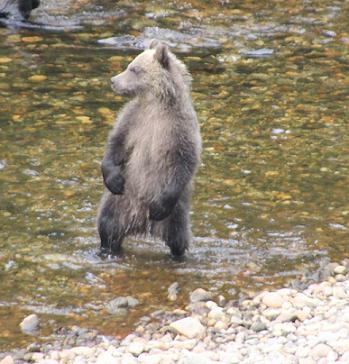
Grizzly cub standing

Photos and postings tend to relate to one another. This photo shows one of the triplets from the posting on January 29th. Another grizzly had appeared further up river and as the family moved down river this cub paused to get a better view of the grizzly up river. It did not spend too much time looking as mom soon called it closer.


Grizzly bears on the beach

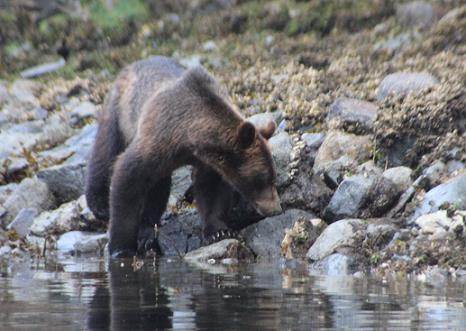
Grizzly Ber beach feeding

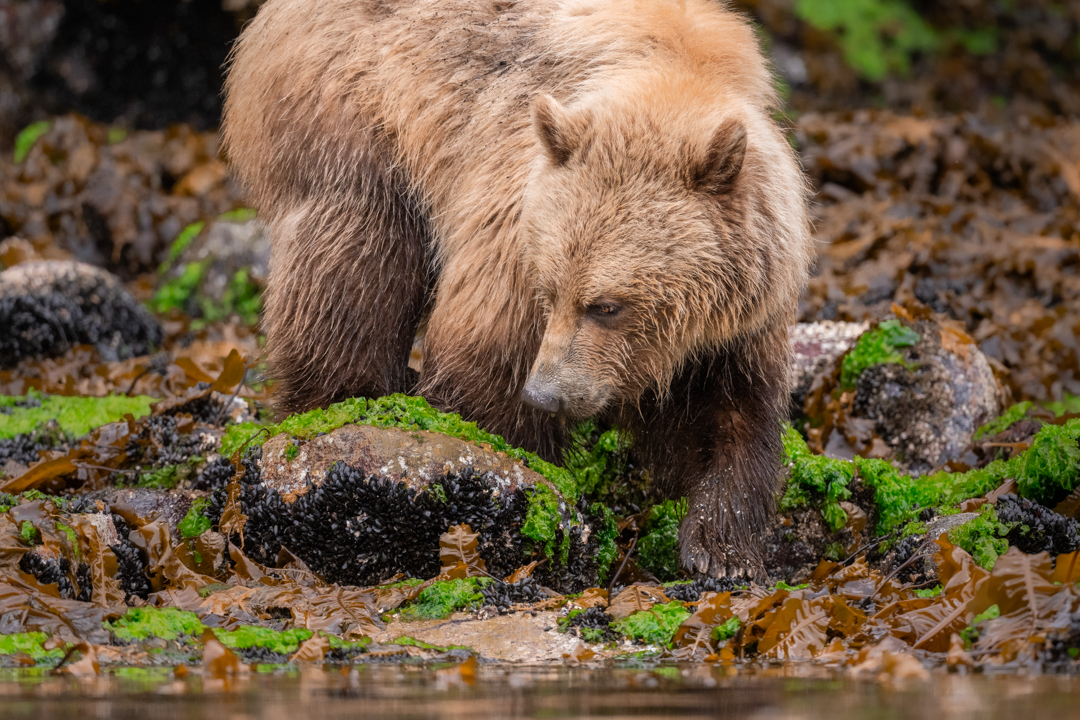
As mentioned in yesterdays posting there is allot of protein to be found under the rocks on the beach. In the early spring until the salmon arrive in mid-August our grizzly bear tours observe bears on the beach as well as in the Glendale River estuary. In the estuary and along the shore the grizzlies graze on the protein rich sedge grass and turn over rocks the same as black bears. The only difference is that the rocks turned over by the grizzlies can be much larger.


Black Bear Tour

Black Bear Tours

Every tour from Grizzly Bear Lodge is a black bear tour. Black bears do not have access to the salmon rivers because of the number of grizzly bears in the area so their main source of protein is to turnover rocks on the beach. This inter-tidal zone contains crab, clams, barnacles, amphipods and other tiny invertebrates. This photo was taken as we first approach the bear. The idea is to come in slowly and allow the bear to adjust to our presence, which permits a chance for a better photo. The better photo in this sequence was posted on January 31st.


Bald Eagle Spotting

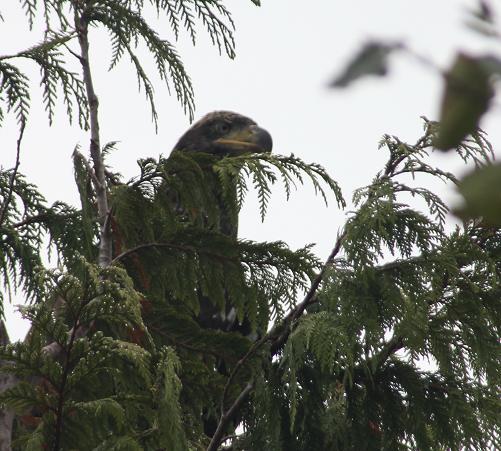
Young Bald Eagle

It does not matter if we are on a grizzly bear tour, whale watching or on a trip to Trapper Rick’s on the extra day in camp guests are always looking for bald eagles.  The eagles white head is easy to spot as we run along the shore to our destination. What is hard to see is the immature eagles, which do not start getting their white feathers until their third year and do not have a full white head until their fifth. Juvenile bald eagles are a mixture of brown and white with a black beak in young birds. The adult plumage develops when they are sexually mature. Once we have reached either the grizzly bear viewing area or the location of the whales and we have stopped to view the wildlife it is much easier to find the juvenile eagles along the sore.


Grizzly bear fishing techniques

Grizzlies in River estuary

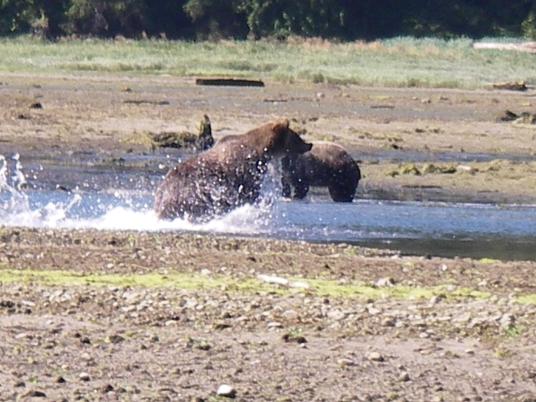
 As mentioned in yesterday’s posting prior to August 25th the grizzly bear tours from the lodge are in the Glendale River estuary and the lower tidal area of the river. After an hour and fifteen minute boat ride from the lodge we transfer into a sixteen foot (five and half meter) shallow draft skiff that we use along the shore and into the river. The shallow draft allows us to move up river as the tide rises and obtain excellent views of the grizzlies. In this case it was August after the salmon had arrived and were still in the lower river with the grizzlies trying to catch the freshly arrived salmon. The run and splash technique is not nearly as effective as the stand and wait method but it is much better for pictures.


Aerial view of a grizzly

Grizzly Bear Below

This photographer was either sitting in a tree or on a tour from Grizzly Bear Lodge and sitting in the viewing stands. After August 24th grizzly bear tours from our lodge use viewing platforms located on the Glendale River, which flows into Knight Inlet.  The stands have an excellent location with the natural river on two sides and the entrance to the man-made spawning channel on a third side. The forth side is the entrance to the stand and is land based so we can drive to the stands and you will not get wet. The grizzly bears will pass beneath the stands when moving form the natural river to the entrance of the spawning channel, which is normally full of salmon and the grizzlies preferred fishing spot.