Whale Watching

We’re not all about the bears, whales are abundant here too!

Killer whales and humpback whales are often seen during our wildlife tours. There are resident whales and transient whales that can be seen feeding and playing in our waters.

What is a herring ball?


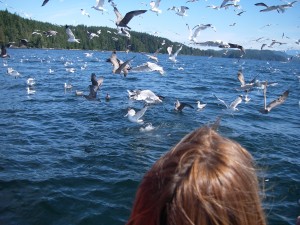
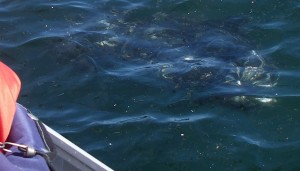
Guiding on a whale watching tour is often more about watching for seagulls than for the blows of humpback whales. Once whales have been sighted the key is to find the gulls and move toward their feeding area. The gulls are attracted to herring balls. A bait ball, or herring ball, occurs when the herring swarm in a tightly packed formation rotating about a common centre. It is a last-ditch defensive measure adopted when predators such as diving ducks threaten them. The revolving ball moves to the surface and brings the gulls, the guides and in time the humpback whales which lunge from beneath for a mouthful of herring. The second photo showing the herring in the water is only obtained with great caution. It is necessary to make sure no whales are in the area before coming close enough for a view of the herring on the surface. It is not good to be this close if whales have been seen anywhere in the preceding half-hour.
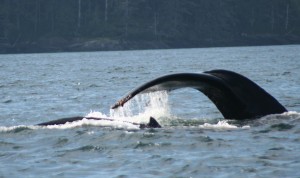
 

Humpback whale and calf

With the ever-increasing number of humpback whales remaining in the whale watching tour area there are also more calves. The number of whales normally viewed on a given tour day has increased from five or six whales six years ago to fourteen to sixteen this past season. The humpback calves are much more active than their mothers often spend time tail lobbing and breaching however it is the adults that provide the best classic whale tail photographs.


Best bald eagle

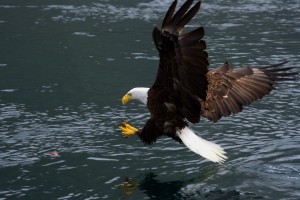
The perfect eagle picture is hard to achieve but Grizzly Bear Lodge tries to provide the perfect opportunity. First by keeping an eye out for bald eagles on the whale watching trip, grizzly bear tours and extra day at the river. Secondly when the resident eagles are still in their nest behind the lodge we will occasionally throw out a bottom fish and encourage them to come for an easy meal. Glen, one of our guides, provided another great photo.

The bad and the good of wildlife viewing


Like much success in life it all comes down to timing and the same applies to a good wildlife photograph. Grizzly bears are easier for the obvious reason that they are always visible on land and once you find them they are there for a while. On a whale watching tour once you find the marine mammals they are not always available for a photograph. A breaching humpback or killer whale is especially difficult as they do not announce their intent and often the result is the first photo posted. The second posting is the result of preparing to take one photo when another occurs. Luck!

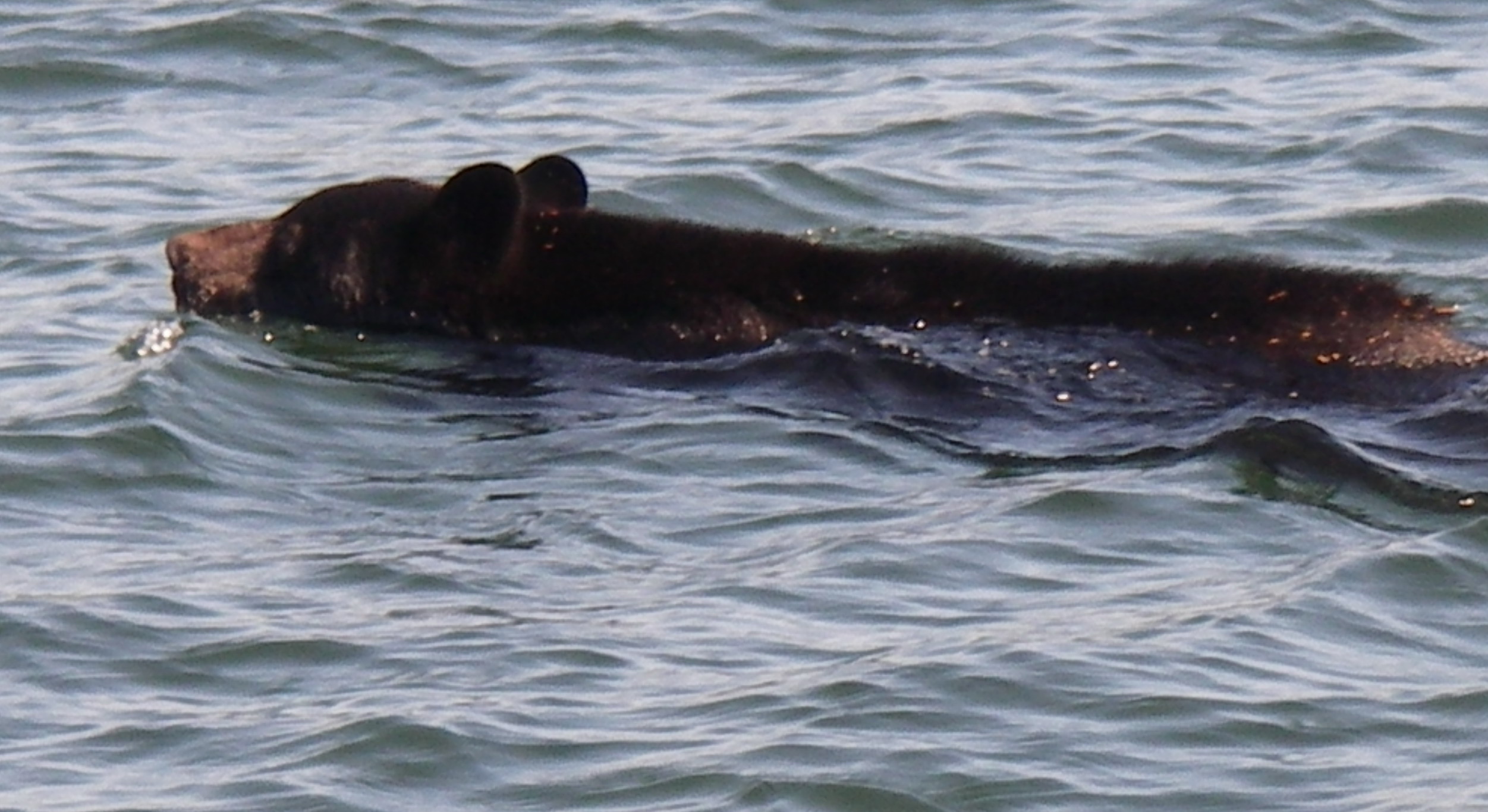
Healthy Black Bear swimming

Grizzly Bear Lodge is on Minstrel Island BC and on the southern edge of the Broughton Archipelago. This is an area of many islands varying in size from small (100 square meters / yards) to large (100 square km /miles) and therefore many passages that need to be swum when black bears want to move from island to island. The current estimate of the black bear population in British Columbia is 120,000–160,000. This is about one quarter of all black bears in Canada. Its natural range includes Vancouver Island and most coastal islands to the north. This means that a swimming black bear is common rather than rare. This appears to be a healthy bear with a good layer of fat as shown by how high it’s body is out of the water. In the early spring often all that is visible is their head.


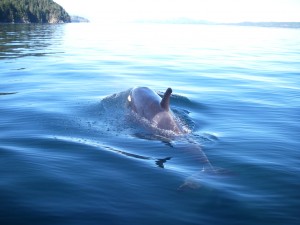
Killer whales passing through

As I have said frequently in this blog that one of the best methods of whale or killer whale watching is to sit quietly.  If you are able to be in an area as we were on this day with no other boats the orca tend to approach closer and are curious. They are a dolphin and dolphins like to play with moving boats and orcas seem to approach resting boats. The picture is the proof.


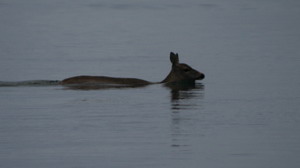
Blacktail deer swimming

It is always interesting that along the coast the blacktail deer population is exploding yet it is rare to observe them swimming between islands. The explosion is blamed on a lack of predators (cougars and wolves) and restrictive hunting regulations. On the islands where deer are present, they exist in high densities, around one per hectare, and they’re devouring native plants. Some smaller islands, which can reasonably support 200 or so deer, are now home to thousands. Young arbutus trees and native flowers, for example, are now rare, and birds that rely on the plants are also disappearing. As well, the fierce competition for food leaves the deer hungry and scrawny.


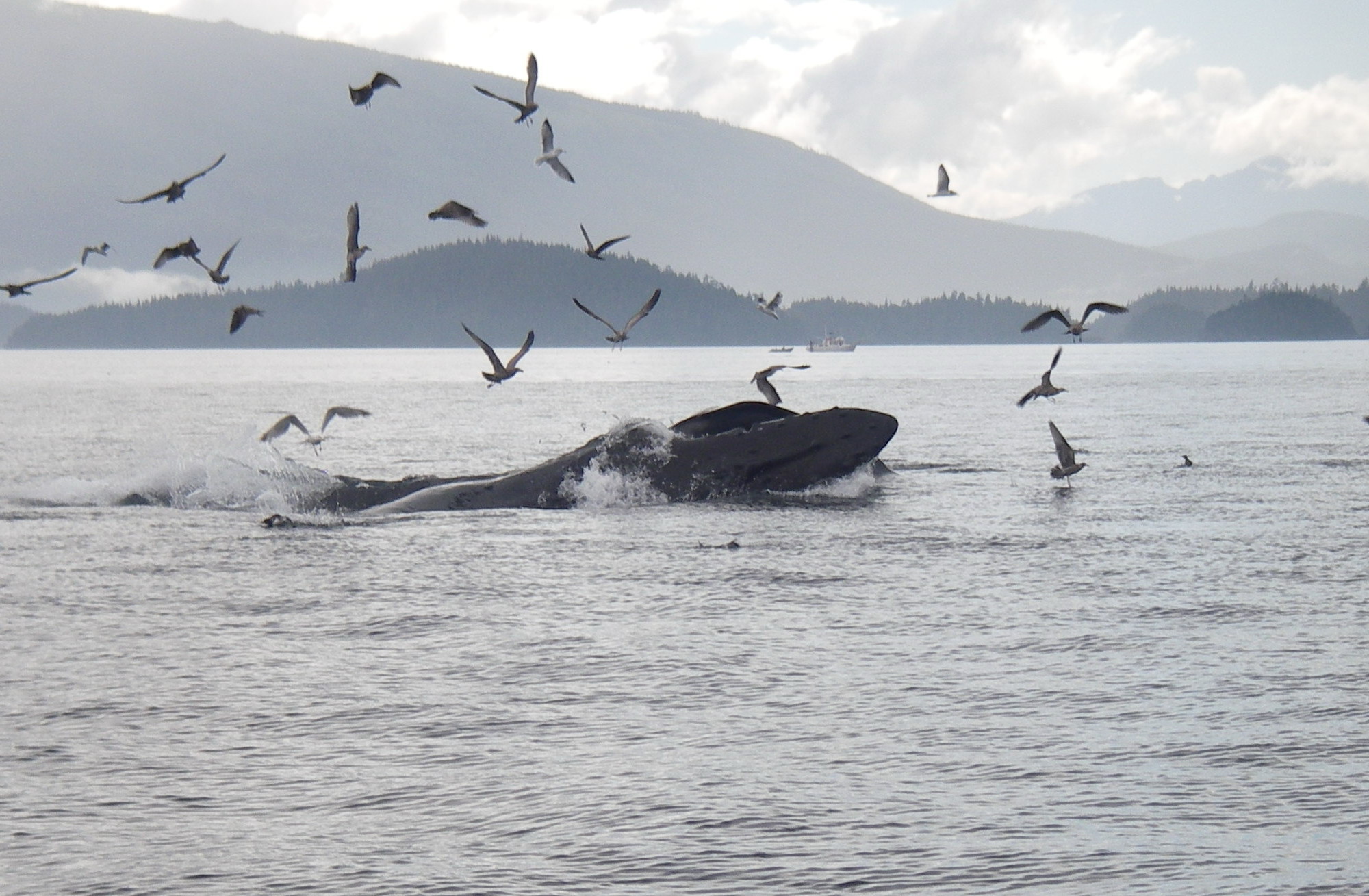
Humpback whale lunge feeding

Click to enlarge then click again

 Whale watching safaris in and around Johnstone Strait always provide opportunities for interesting photographs. In this case it is a humpback whale lunge feeding beneath or up through a school of herring. The boat in the background is also of interest as it belongs to Susan MacKay who spends her summers in this area photographing whales, orca and all marine mammals.


Follow the leader

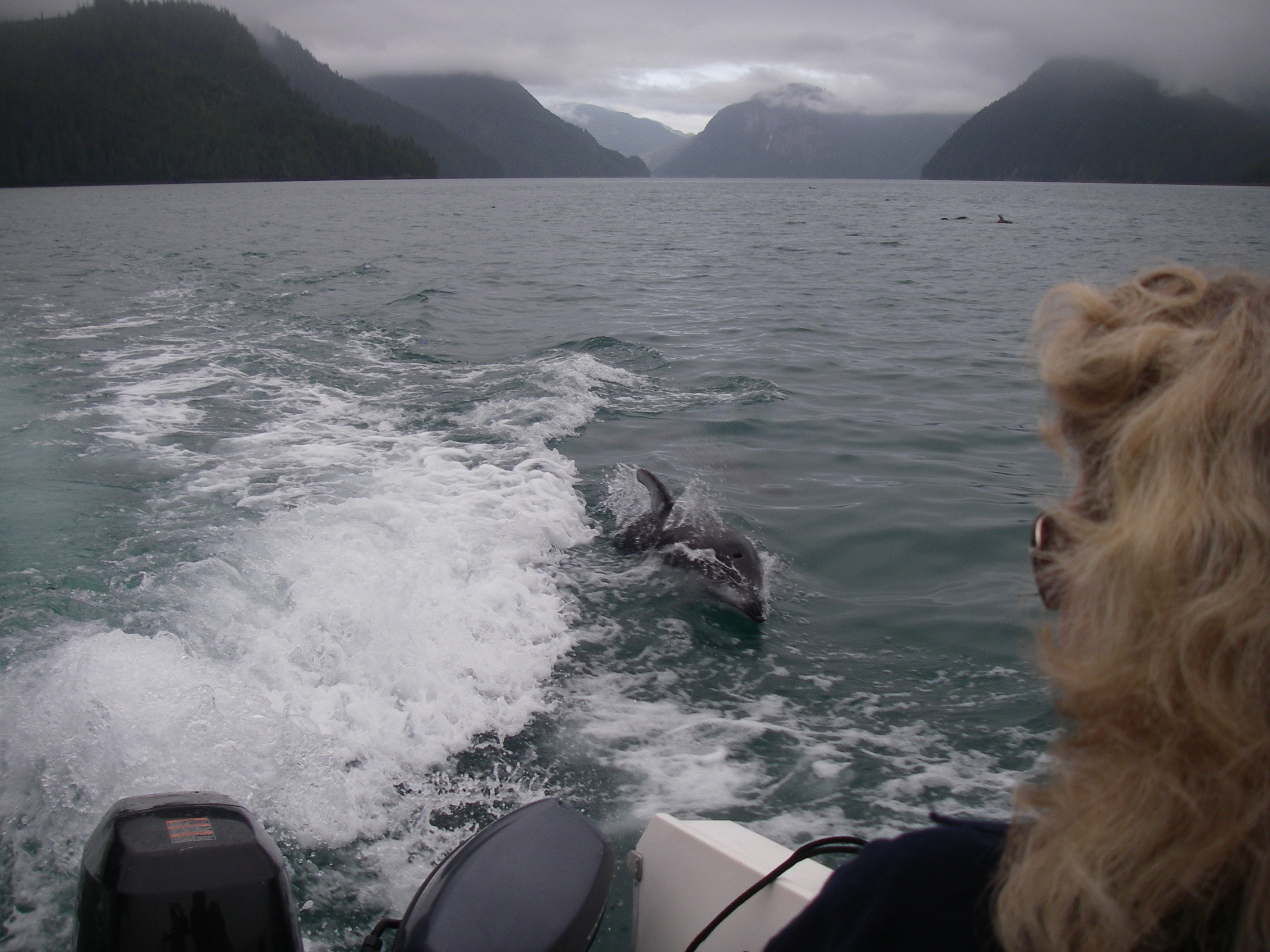
Pacific white-sided dolphins inhabit the coastal water of British Columbia. Whether on a grizzly bear tour, whale watching trip or on the way to the wild river on the extra day at the lodge it is possible to find a pod of dolphins. Whale watching guidelines require that boats come no closer than 100 meters (yards) but the dolphins do not seem to follow the guidelines. They ride the bow wake, nose into the prop wash and when the boat stops swim underneath and around.


Black Bear working the beach

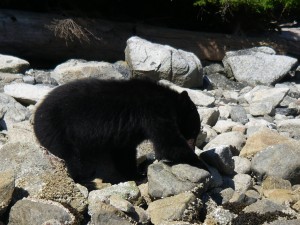
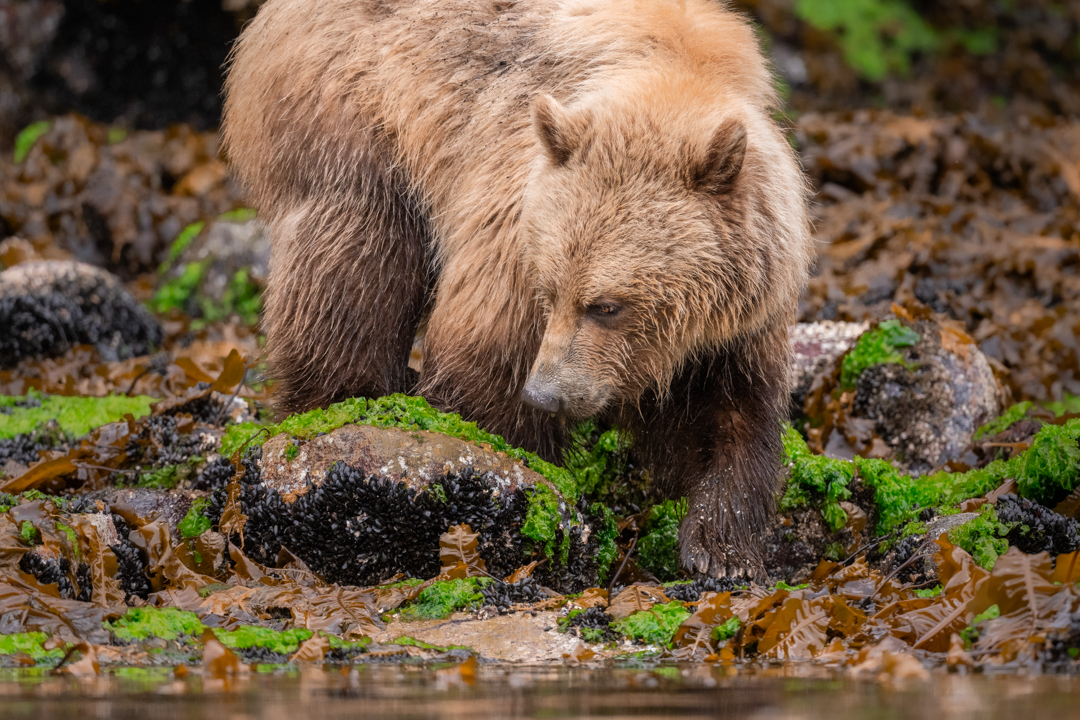
This black bear was viewed on one of the evening tours that happen on your arrival day. A local wildlife boat trip is taken to familiarize guest with boats and guides as well as finding black bear, bald eagles, harbour seals etc. This bear is looking for it’s evening meal located under rocks. This inter-tidal zone “food” is high in protein and is made up of crab, clams, barnacles, amphipods and other tiny invertebrates. The “beach food” is important because plant food is relatively scarce during spring and bears will continue to loose weight until well into June. Yes it is a large rock and the bear did turn it over with a little effort.