Tag Archives: whitesides

Whale Watching Safari – 3 of 5

dolphins
Click to enlarge then click again


dolphins close
Click to enlarge then click again

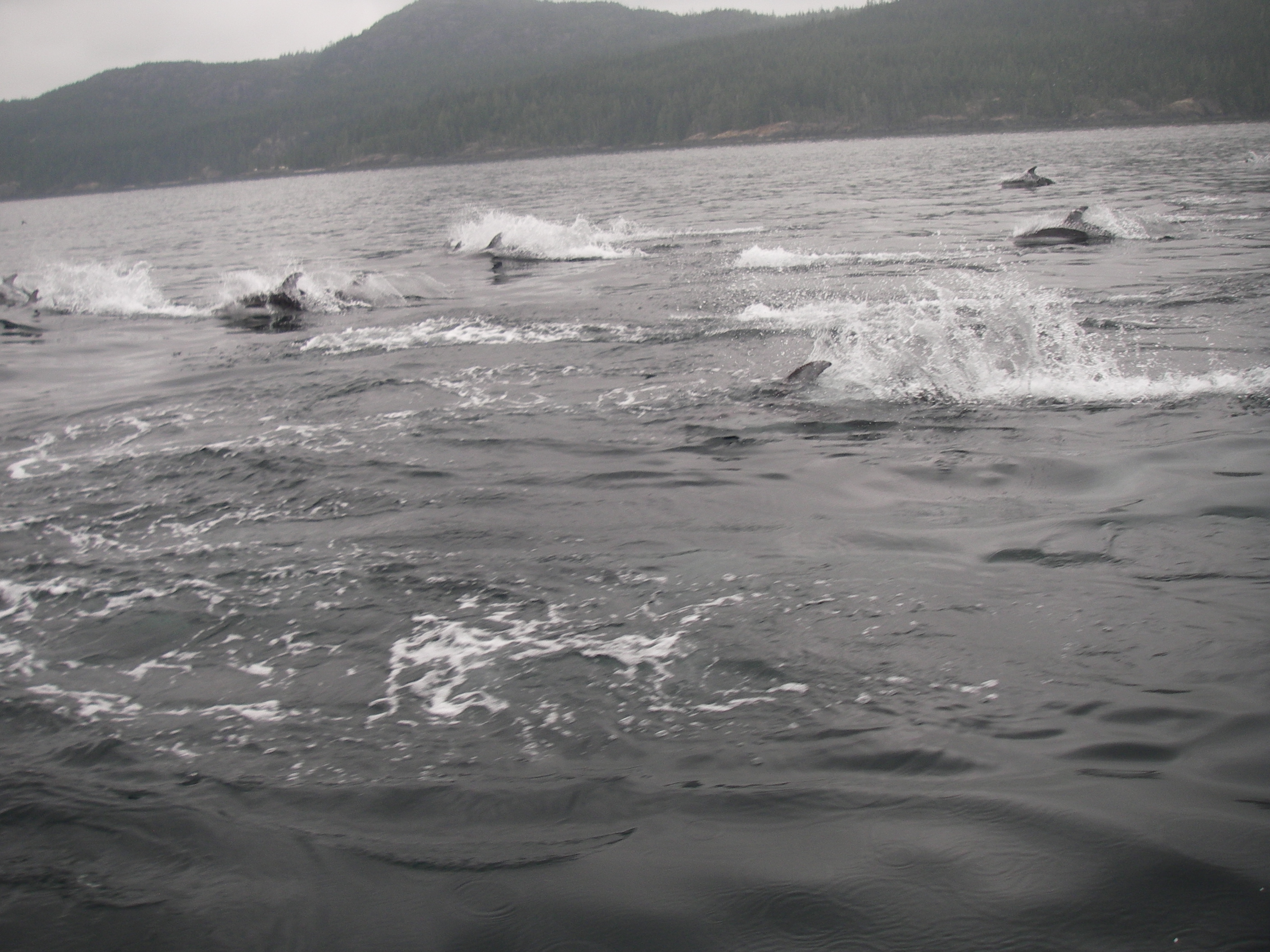
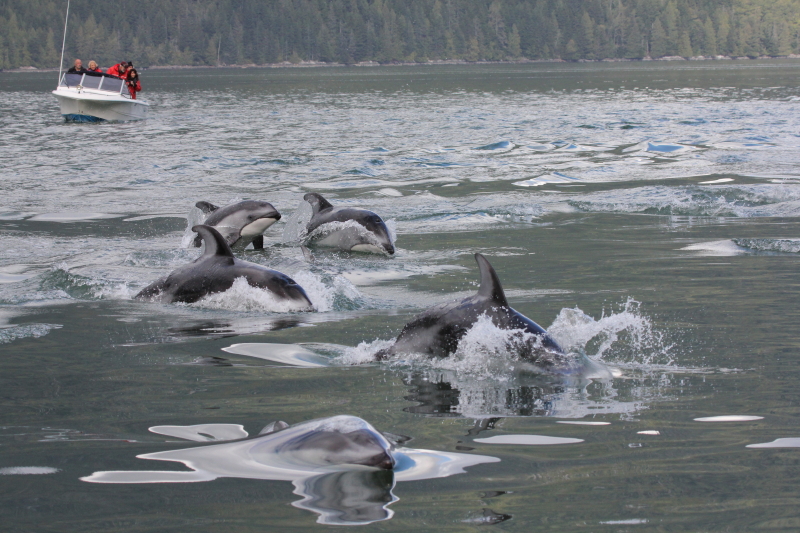
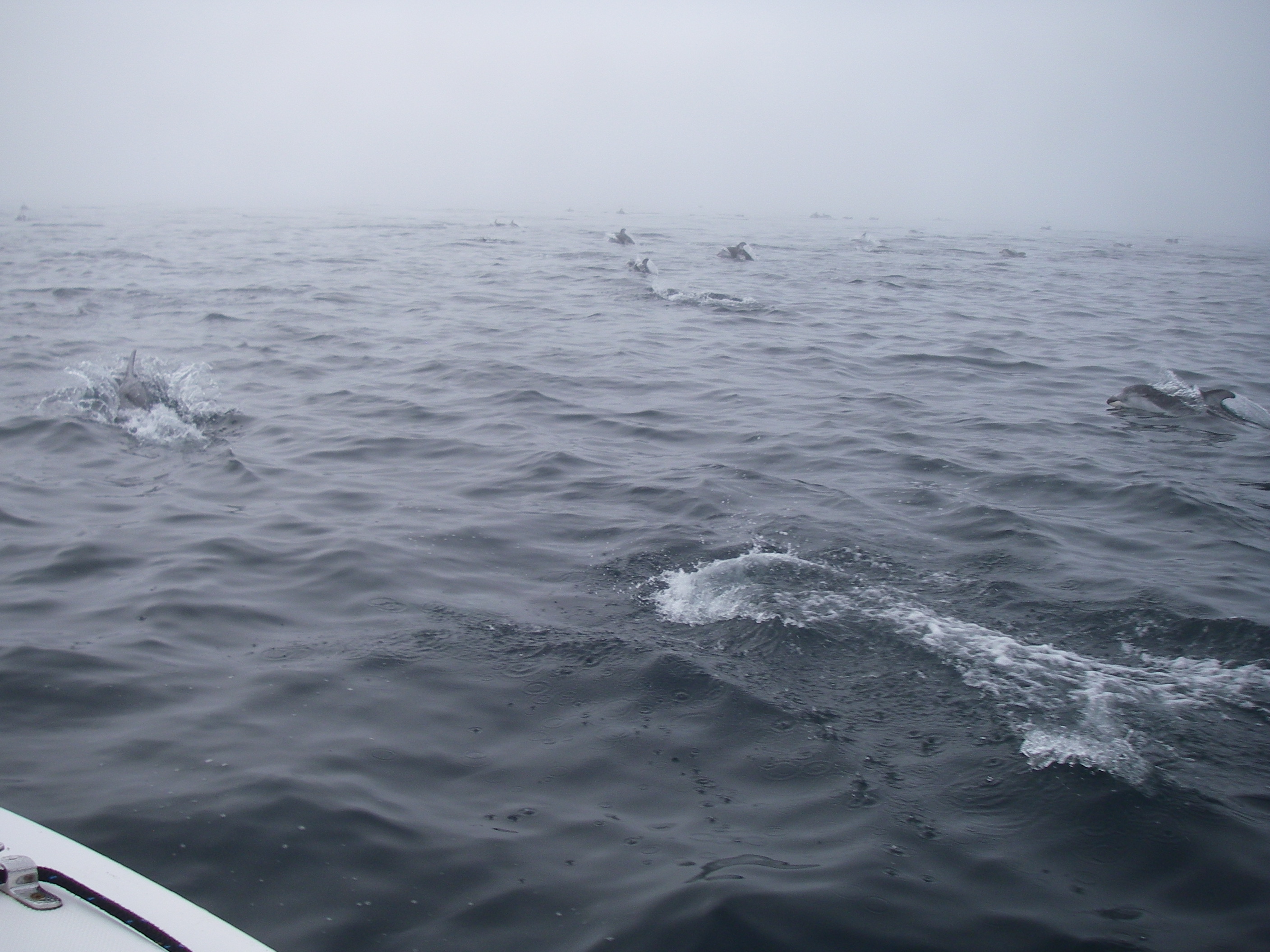
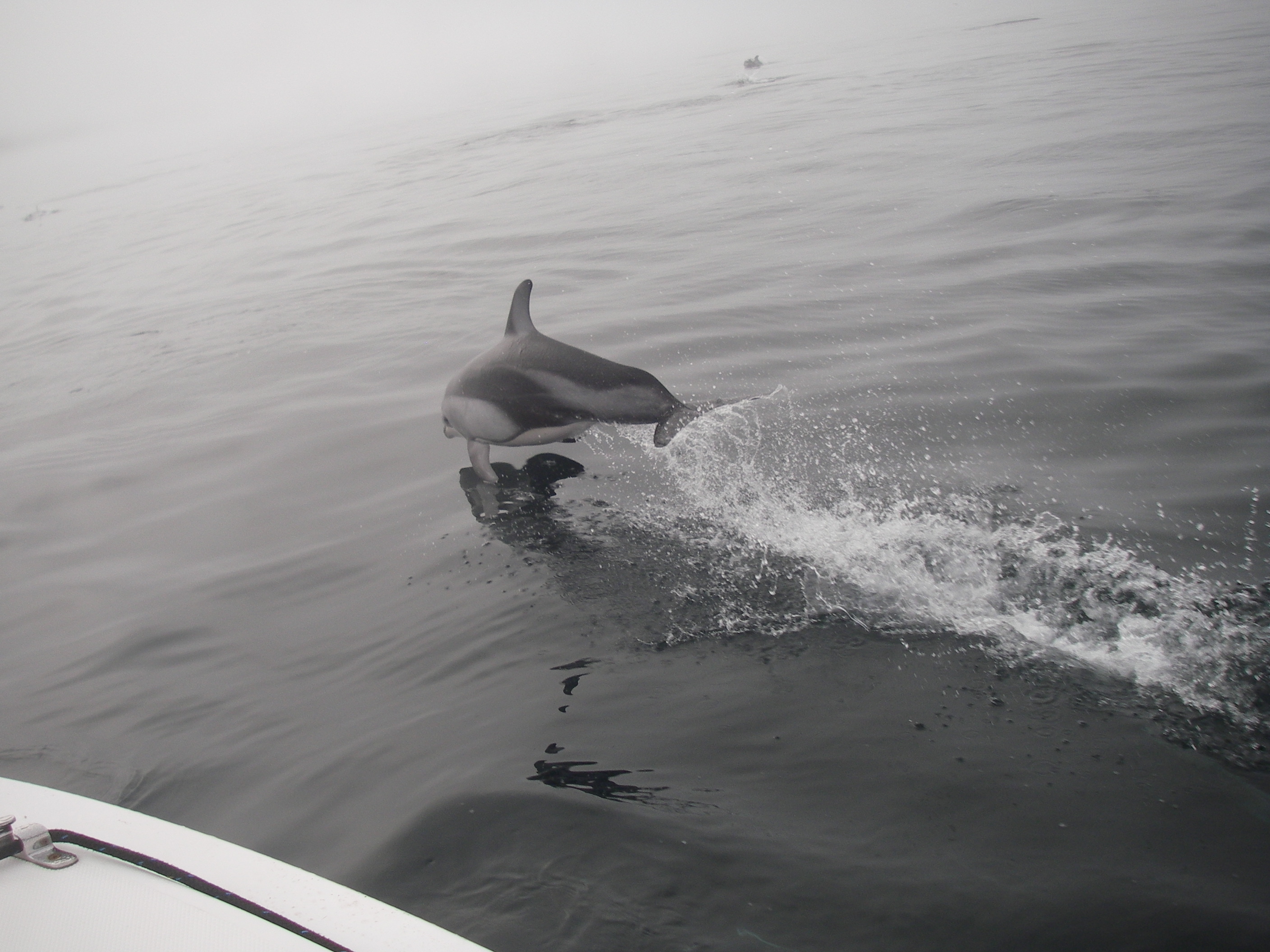
Not bad for a one handed shot over the bow of the boat while driving with the other hand. The only way to get any decent photos of the pacific white-sided dolphins is to point, shoot and pray. Less than hour after we left the orca of yesterday’s post we came across this pod of close to three hundred dolphins which were feeding in Parsons Bay. They scoured the shore stopping to feed on several occasions providing opportunities for some interesting photos. I have being wildlife guiding at Grizzly Bear Lodge for more than ten years (all the lodge’s guides have been working at the lodge that long) and I think dolphins still put on the best show as they are within a meter of the boat with their nose often in the prop wash from the motor.
Pacific White-sided dolphin Airborne

airborne dolphins
Click to enlarge then click again

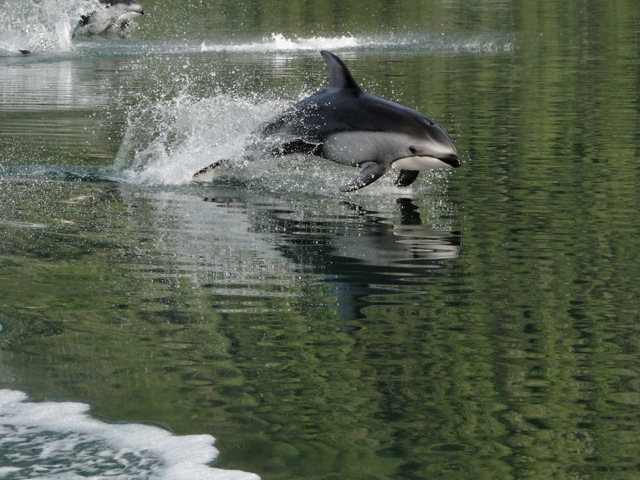
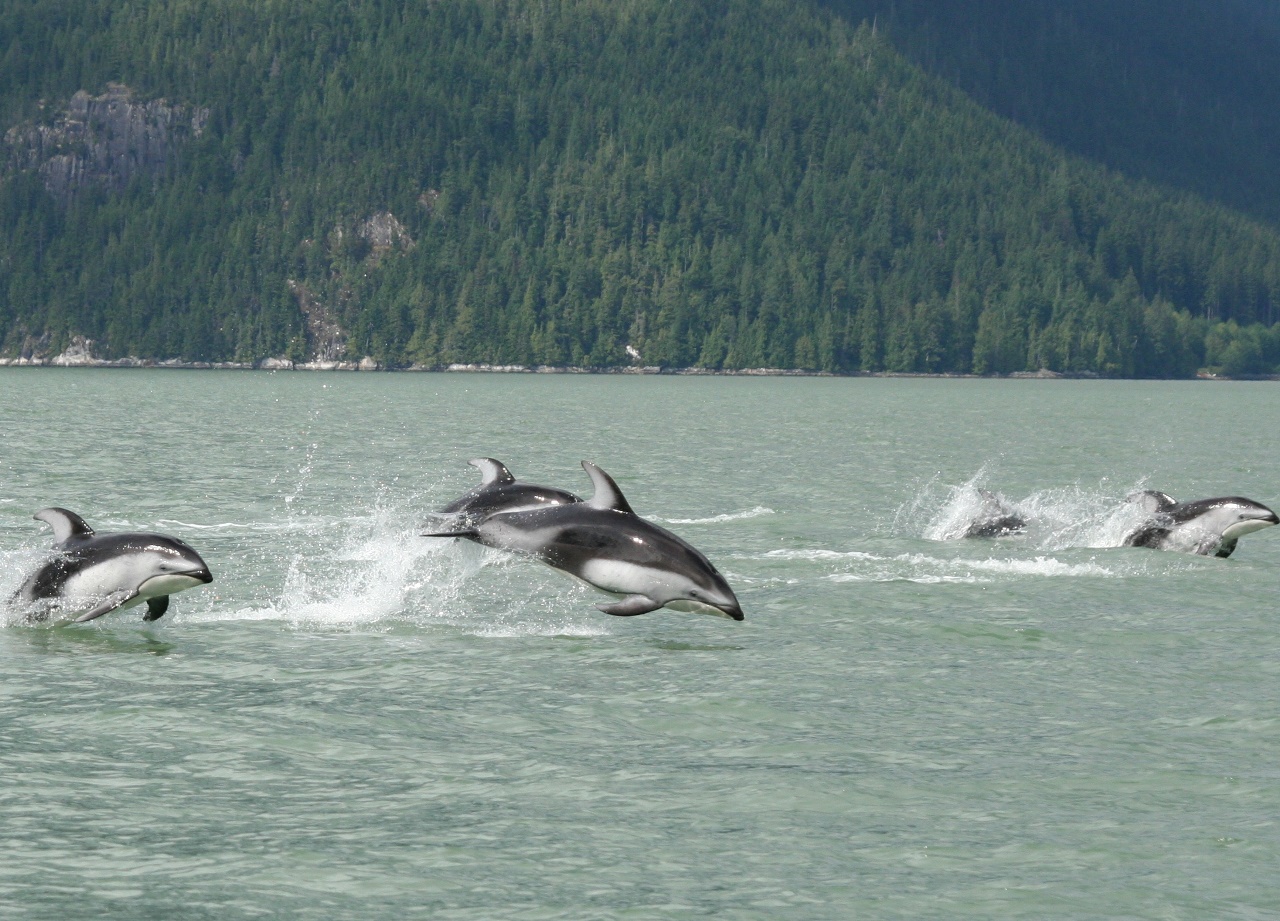
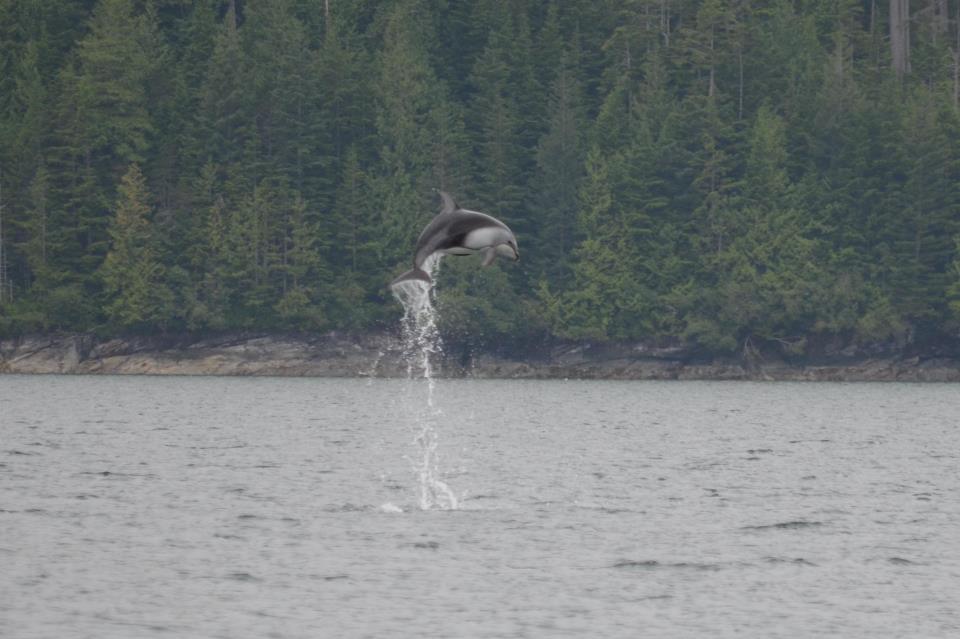
The pacific white-sided dolphins are seen quite often on both the grizzly bear tours and the whale watching safari. These dolphins are present in First Nation’s middens dating back 2,000 years, but they were rare in B.C. during the 19th and 20th centuries. Starting in the 1980’s, Pacific white-sided dolphins started to become more abundant in inshore waters and inlets along the B.C. coast. It’s possible that their long absence was related to a change in ocean temperatures and a shift in their prey distribution. Dolphins travel in groups throughout their lives. We usually encountered groups of 50 to several 100 animals, although some groups have been seen with 1,000 or more individuals in our viewing area. As the photo demonstrates these dolphins are energetic and quite active and are frequently seen leaping, belly flopping, and somersaulting. They are strong, fast swimmers and enthusiastic bow riders, often staying with moving vessels for extended periods.

White-side dolphin pod

leaping dolphins
Click to enlarge then click again

Great photo of a pod of pacific white-side dolphins which frequent the waters of British Columbia’s coast. The average pod size for pacific white-sided dolphins is 10-100, but they can be found gathered in pods of thousands of individuals. These dolphins commonly leap (breach) and somersault and may also ride the bow and stern waves created by boats. This photo shows the dolphins surging forward as a pod as they search for food (herring) along the shore.  While engaged in this activity they travel at about nine miles an hour but have clocked speeds of up to 25 miles per hour.

Pacific White-sided Dolphins

do;pnis on the surface
Click to enlarge then click again


Susan MacKay spends much of her summers in the area that Grizzly Bear Lodge goes for its whale watching tours. This photo to use a quote from Susan is a “Pacific White Sided Dolphin is a long name for a relatively small marine mammal. And the Latin name is even more of a mouthful, so they are also called Lags for short. It’s a much easier name to explain exactly what species of cetacean is seen, especially over a marine radio.  … Lags can travel quickly reaching speeds of up to 25 knots (almost 30 mph or 47 kph) effortlessly. They are very acrobatic and their frequent airborne flips and leaps can reach extreme heights.” In this case it seems to think it is a torpedo.

Active White-sided dolphins

Pacific white-sided dolphins

Pacific white-sided dolphins are often encountered on tours from Grizzly Bear Lodge. Grizzly bear tours or whale watching safari each have an equal possibility of coming across a pod of dolphins. Dolphins are playful and enjoy riding the bow wave and the rear wake of the boat.  The best advise is to point and shoot and take as many pictures as possible and maybe a dozen or so may even contain dolphins and not just water and one or two of those may be good pictures. The pods range in size from several dozen to over five hundred and the more there are its seems the more playful the dolphins.

Pacific White-sides coming close

Pacific white-sided polphins

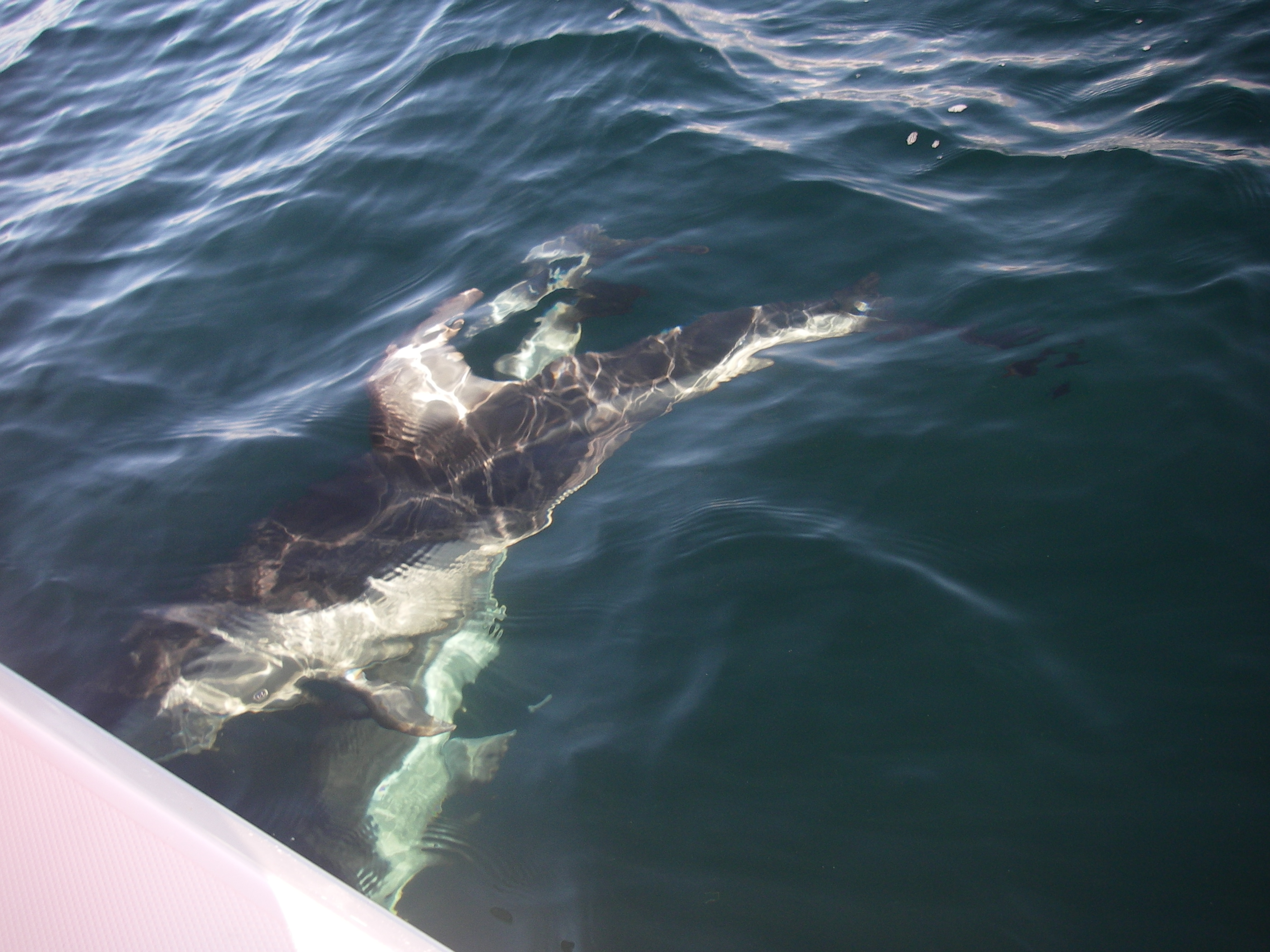
Pacific white-sided dolphins may be viewed on any of the tour days whether it is for grizzly bears, whale watching or on a trip to visit Trapper Rick on your extra day visiting Grizzly Bear Lodge. Vancouver Aquarium’s AquaFacts state “Pacific white-sided dolphins are present in First Nations middens dating back 2,000 years, but they were rare in B.C. during the 19th and 20th centuries. Starting in the 1980’s, Pacific white-sided dolphins started to become more abundant in inshore waters and inlets along the B.C. coast. It’s possible that their long absence was related to a change in ocean temperatures and a shift in their prey distribution. In the entire North Pacific, there are estimated to be approximately 900,000 Pacific white-sided dolphins. Dolphins travel in groups throughout their lives. In B.C., Pacific white-sided dolphins are usually encountered in groups of 10 – 100 animals, although some groups have been seen with 2,000 or more individuals.” As Lynn Morris’s photo indicates these dolphins are curious and if we are near a large pod they will come and play in the bow wake, if we stop they will swim beneath the boat.

Pacific white-side dolphin “Nose Dive”

Dolphins

We view pacific white-sided dolphins both in Knight Inlet on our grizzly bear tour as well as when whale watching in the area of Johnstone Straits.


Vancouver Aquarium’s AquaFacts provides the following interesting facts on their website:

“Pacific white-sided dolphins are found throughout the temperate waters of the North Pacific Ocean from Japan to North America, and from the coasts of Alaska down to Baja, Mexico.In the entire North Pacific, there are estimated to be approximately 900,000 Pacific white-sided dolphins. Dolphins travel in groups throughout their lives. In B.C., Pacific white-sided dolphins are usually encountered in groups of 10 – 100 animals, although some groups have been seen with 2,000 or more individuals.

Pacific white-sided dolphins eat herring, capelin, Pacific sardines, squid, anchovies, salmon, rockfish, pollock, hake and other small fish.Transient killer whales and sharks both eat Pacific white-sided dolphins.

When the dolphins first came back to B.C. waters, it took the killer whales a couple of years to figure out how to catch the fast-moving dolphins. Some killer whale pods drove groups of dolphins into small bays and killed them en masse but this behaviour is no longer as common, suggesting the dolphins have learned to avoid this trap.”

The Four Austrians 5 of 11

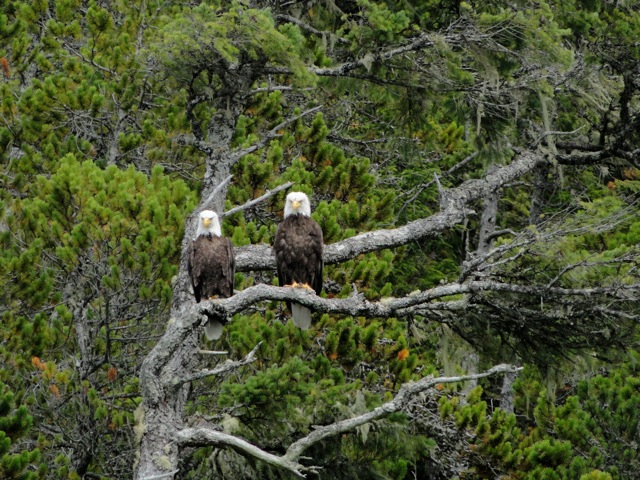
Bald eaglesPacific white-sided dolphinsGrizzly Bear Lodge’s day tour to view grizzly bears try to leave camp prior to 8:00 to arrive in Glendale Cove and make it to the viewing stands by 10:00.  The viewing stands are used after August 24.  The trip up Knight Inlet is always interesting and leaving early gives on more time to enjoy wildlife along the way. First, eagles are a constant interest and there are daily opportunities to some great photo in this case a rare shot of two mates sharing the same branch.  For me this is ideal as it allows me to answer an often ask question “Is that a female or male eagle?” Answer “The female is larger and unless they are side by side it is hard to tell the size.” This photo solves that question for these two eagles. Second, pacific white-side dolphins are a constant joy and if I had my choice I could run with them all day. This was a perfect morning for the perfect picture. A glassy calm day on the water which reduces the boats rocking and also permits one to see under the water and know when a dolphin is about to break the surface. All that said an excellent picture such as this still requires many tries and a certain amount of luck.


Pacific White-side dolphins on a tour

Dolphins on tour
Click to enlarge

Often when the lodge is at capacity, eight guests, we travel in two boats and this provides an opportunity for a great photo. In this case we were traveling with a pod of pacific white-sided dolphins that like to play with the boats.  When they have had enough fun riding the bow wave or running within a few feet of the back of the boat they leave and we proceed to our destination.    The eight quests in the lodge means you eat with the staff and meals last as long you have questions about the day you just enjoyed or the next day’s tour. Conversations at the table cover all and any topic the key is “What happens in the boat stays in the boat unless the guest brings it up first.”  But once a story of a day’s misadventure is told it is open season on guest and guides.

Whale watching safari

dolphins playing

On the whale watching day we frequently encounter pacific white side dolphins. The area along BC’s coast between Vancouver Island and the mainland has become a feeding area for the dolphins. Until twenty years ago they rarely appeared in fact so rare that native people did not have a name for them in their language. Now these dolphins are becoming more common in our viewing area. We see pods of several hundred.