
These are all first year grizzly bear cubs however one in noticeably smaller. This photo was taken on a grizzly trip in early September but by the end of the month the small cub was no longer with it’s mother.
We offer an exceptional fly-in lodge for Grizzly Bear Watching and Whale Watching in British Columbia.
Learn about What’s happening at the Lodge, view our British Columbia’s Wildlife Report, read our Grizzly Bear Watching Blog and Whale Watching Blog. Learn more about a Day on the River Blog, see Our Tour Guide’s Photos & Blog and Photos from Our Guests.
These are all first year grizzly bear cubs however one in noticeably smaller. This photo was taken on a grizzly trip in early September but by the end of the month the small cub was no longer with it’s mother.

Yes that is the spotlight on the bow of our boat. The goal was the bald eagle flying our way that was about to come down on to the herring ball where the ducks are located. The eagle was a little slow as the humpback came up for lunch. When photographing eagles, orca, whales, seal, sea lions, dolphins or any other “wildlife” it is best to adopt the boy scout motto and “Be prepared.”.

This grizzly bear was becoming annoyed with her second year cubs. She was in the holding pool directly below our viewing platform trying to catch salmon but the cubs were not giving her enough room to work. A couple of “growls” and the cubs moved off and mom was successful and able to share her catch.

Always a challenge to get a good picture of an eagle coming down to pick a fish out of the water. Even rarer to get a picture of a successful eagle with a small fish in it’s claws. Glen (one to the guides at Grizzly Bear Lodge) has developed that skill to a high level and provides another good photo.

Phalaropes are the only shorebirds that regularly swim in deep water. Every year in late summer, migrating Wilson’s Phalaropes put on an amazing show as enormous flocks pass through our area. There they spin round and round in the nutrient-rich waters, creating whirlpools that stir up invertebrates that will fuel their migration to South America. The flocks of birds dart about as if following a choreographed programmed flight. And yes many of the “birders” that visit Grizzly Bear Lodge want pictures.

The most popular theory is that orca eye-spots protect their actual eyes by providing a false target (prey animals will often attack the eyes of their predators). But then if they did not have the eye patch it wouldn’t it be harder to find the eyes? Some scientists believe that the eye-spots might help other orca recognize body orientation in dark or murky water. The reason is not the important part but the fact that lodge guests want pictures of the orca’s eye spot as they surface is important. It is harder than one might expect as orca do not give much of a warning when they plan to surface.

First year grizzly cubs are not overly fond of getting wet. They are often viewed sitting on logs on the river bank, on rocks in the middle of a fishing hole or slowly following their mother. This mother plans to go fishing in the deeper part of the river which means the cubs will need to swim if they want their share of the catch.

These two first year grizzly cubs were taking their time as they walked the gravel bar next to the viewing stands we use on a Knight Inlet river. They had just crossed a small stream to get to the gravel bar and were not looking forward to what their mother had planned next…

Few seaplanes seat eight guest comfortably so we normally have two planes bring guests into Grizzly Bear Lodge from Campbell River. This also provides us with room for the “always” necessary groceries. As you can see there are groceries from the first plane stacked near the end of the dock and luggage waiting with guests to be placed on the second plane that is nearing the dock. For many of the guests this is their first experience flying in a float plane and the reviews are mixed but I would say they are overwhelmingly positive.

This is the case when grizzly bears respect each others comfort zone. The head in the lower right corner belongs to a very large female which is not a threat to the mother and cubs but they still have their own fishing areas. The single grizzly dominated the better fishing area near the entrance to the spawning channel while the mother and cubs caught all the salmon they needed a little lower on the river. The abundance of salmon in this area means there is little need to fight and therefore less chance of an injury that could reduce the ability to catch salmon. It is all about fattening for hibernation and fighting is counter productive.
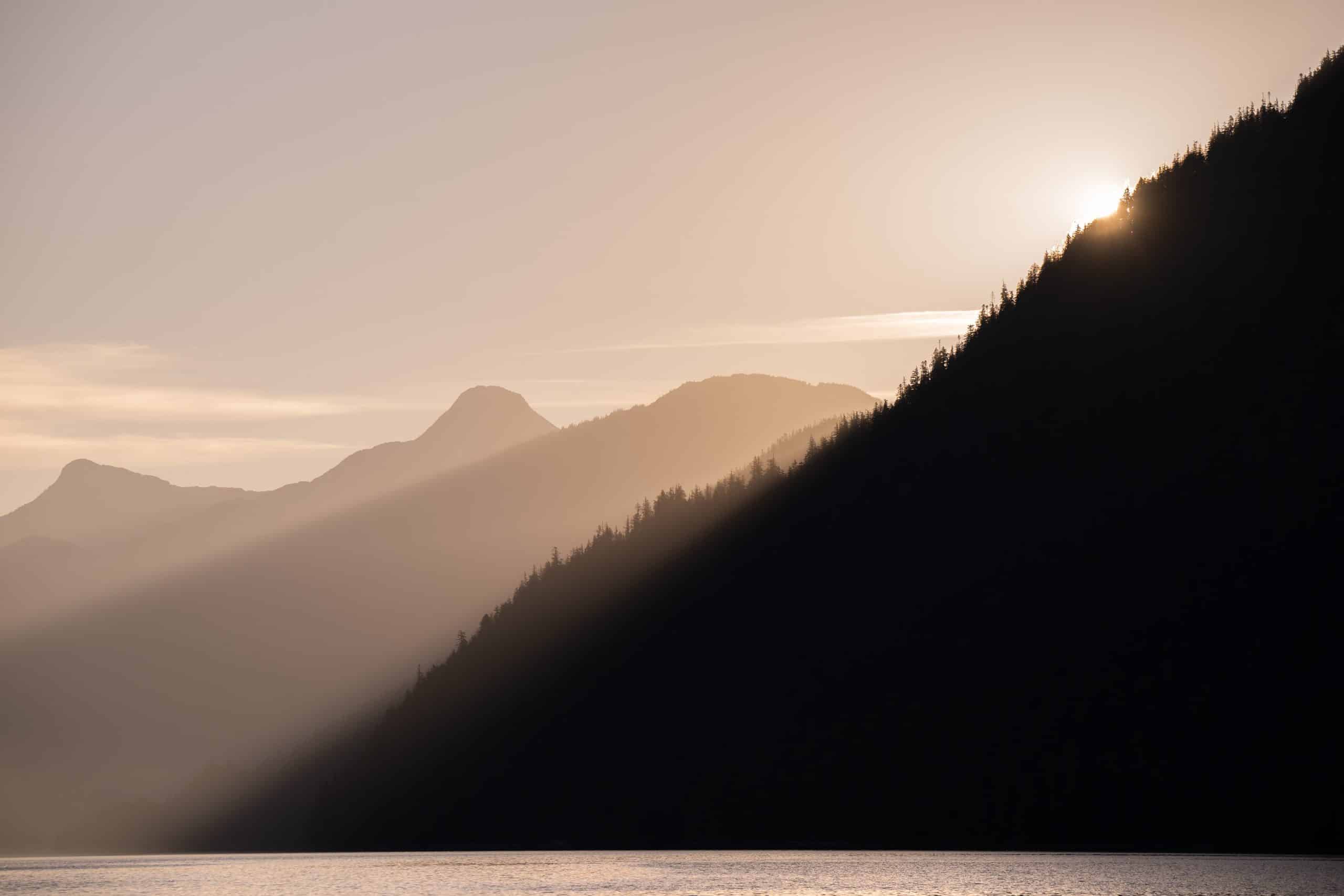
That’s a wrap on the 2026 season at Sailcone’s Grizzly Bear Lodge. It has been an amazing year. We welcomed guests from all over the world and witnessed one of the best salmon runs in decades.
I would like to thank our crew who looked after our guests from May until October. We are very fortunate that they are all planning on returning next season.
On the wildlife side it was truly an epic year. We saw a number of bears with new cubs and had an amazing salmon run. With these conditions the survival rate for these cubs is high. On the water the Humpbacks were abundant, with a large numbers hanging out in Knight Inlet in the early season and lots in our whale watching area throughout the year. The resident Orca were abundant and we also had a lot of Biggs Orca sightings.
For 2027 we are continuing to refresh the rooms, with new ceilings and paint. We will also have our floating sauna operational for the start of the season. More information on that to come.
Thank you again to everyone who visited us in 2026, to our staff and our travel partners. We are booking quickly for 2027 so if you want to visit us next season inquire soon.
Looking forward to seeing you next year
Angus Reid (Owner/Operator)
Visit our Blog