Grizzly Bear and Wildlife Tour Blog

We offer an exceptional fly-in lodge for Grizzly Bear Watching and Whale Watching in British Columbia.

Learn about What’s happening at the Lodge, view our British Columbia’s Wildlife Report, read our Grizzly Bear Watching Blog and Whale Watching Blog. Learn more about a Day on the River Blog, see Our Tour Guide’s Photos & Blog and  Photos from Our Guests.

Pacific Whitesided Dolphins

Whitesides aka Dolphins

The waters between Vancouver Island and mainland BC contain an abundance of marine life.  Frequently while traveling Knight Inlet between the lodge and the grizzly viewing area we encounter large pods of whitesided dolphins.  When you are seeing pods of several hundred whitesided dolphins it is mostly aim and click and HOPE.


Grizzly Bear Watching Us?

Grizzly Bear Watching?

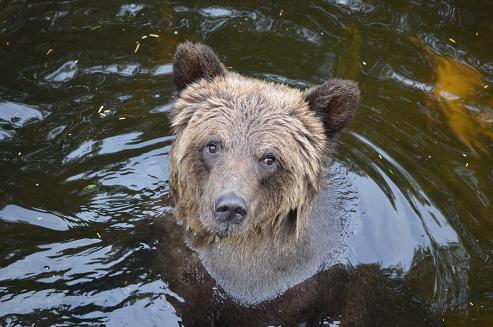
Knight Inlet is north of Campbell River on mainland BC off the east shore of Vancouver Island.  Our lodge on Minstrel Island is approximately 20 kilometers from the mouth of Knight Inlet.  A further 25 kilometers up the inlet and you are at the viewing area.  The fall viewing stands provide great photo opportunities of grizzly bears feeding on the salmon.  Some of the bears seem to be posing for the camera but their main interest in eating as “den time” is not that far away. The white shape in the water behind the bear is a dead salmon. This grizzly sat in the pool below the viewing stands and picked salmon of the bottom and wasted few calories doing so, which means more fat.


Grizzly Bears also enjoy flowers

Grizzly Bears Like Flowers

Our lodge is located between Vancouver Island and mainland BC on Knight Inlet a forty five-minute plane ride from Campbell River.  The grizzly bears are normally viewed “up” the inlet from the lodge on the Glendale River.  In the fall the bears are feeding on the salmon in the river as the photo shows even a grizzly seems to pause in the meal to enjoy a flower.


Grizzly bears looking for dry land

Grizzly Bear

The same grizzlies from the December 28th post have left the water and are heading for higher ground. You can tell that this is a mid August grizzly by the lack of “belly”.  By the early October and more than a month of eating salmon her legs will appear much shorter.  Grizzlies can increase their body weight by one third to one half before they den up for the winter.


Killer Whales – aka Orca

Killer whales

The orcas in our whale watching area arrive in late June and stay through mid-October. The most common orca / killer whales in the area are the residents. Residents or fish eating orca live in large family groups called pods, with multiple pods making up a population or community. The pods consist of multiple related matrilines, with each matriline often containing 3 or more generations. Each pod is led by the head female or matriach, as orca are a female dominated species. The matriarch tends to be the oldest female in the extended family. Her experience and knowledge guides the pod, and the matriach teaches younger whales about everything from parenting skills, feeding tactics, and navigation through the vast territories that they cover. Marc & Solange and family from France provided the photo and I know enjoyed their time with the orca.


Grizzlies Cool off


Grizzly and cub

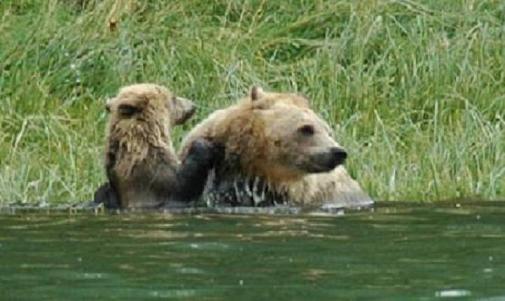
All grizzly bear trips from the lodge prior to August 25th view bears along the shore of Knight Inlet and in the Glendale River estuary. Mother grizzlies start to bring their cubs to these areas in late May and stay for the salmon that arrive in late August. Grizzly cubs are naturally playful and if there is more than one the mother gets some rest as they play together but in this case it is all about mom. If there is not much shore remaining then lets play in the water.  Can you think of a better way to cool off in August? Thanks again to Marc & Solange from France for the photo.

Black Bear Swimming

Black Bear Swimming


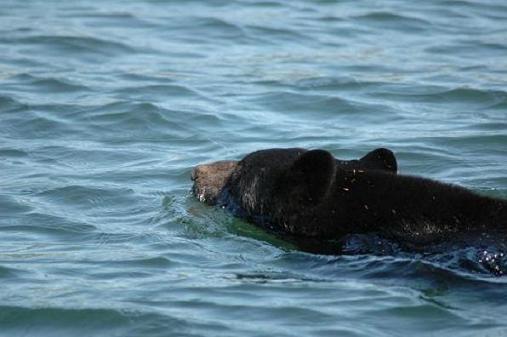
On the first evening in the lodge guest go for a tour to look for black bear. This wildlife trip lasts a little over an hour and we normally see eagles, seals and black bear. However all tours from the lodge are by water and therefore we look for black bears. This was one of our lucky days.  I remember, coming back from whale watching we had stopped for a few minutes to look at a fish farm and the other boat got about five minutes ahead of us.  They must have just passed through this narrow channel when we came upon large male black bear swimming between islands. This was a fat bear because it was swimming high in the water in the early spring only their head is above water. Thanks to Marc & Solange from France for the photo.

Grizzlies Share Bounty

Grizzly Claws

Grizzly bears are omnivores, and their diet can vary widely. They may eat seeds, berries, roots, grasses, fungi, deer, elk, fish, dead animals and insects. In the late summer and early fall, grizzlies enter hyperphagia, a period of 2-4 months when they intensify their calorie intake to put on weight for winter denning. During this time period they can gain more than three pounds a day! Because of their diet grizzly bears have long claws between 3 and 5 inches, which are used for digging, picking fruits, catching prey and this case for holding salmon for their cub. Thanks to Lindy Taylor for another great picture.


Grizzly Cub Waiting

Grizzly cub Waiting Dry

Not all grizzly bears enjoy the water especially the first year cubs. In the spring along the shore of Knight Inlet the mother grizzlies often have a hard time coaxing the cubs into the water. At times we have seen them swim away form the cubs forcing them into the water. This cub is about nine months old and still prefers to stay dry while waiting for mother to provide food. Tomorrow’s post shows that food.

Grizzly Bear Enjoying a Salmon

Grizzly with Salmon

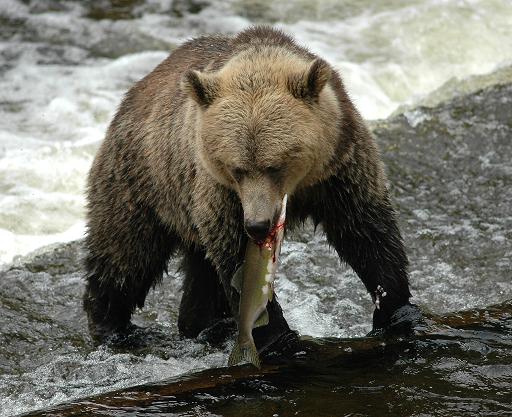
Great photo from Lindy Taylor of a Grizzly Bear having just caught a salmon and looking for a safe place to eat. The abundance of salmon in the area reduces the fighting between grizzlies but it pays to be cautious. Most bears just move to the bank of the river to eat however some use one of the many rocks located in the river. It is estimated that there are between 45 and 50 grizzlies that come to the Glendale River to take advantage of the salmon that spawn in late August through October.