Tag Archives: Killer Whales

Best Series of Photos 1 of 3

Killer WhaleKiller whale divingApril and Rob of Cairns Australia visited Grizzly Bear Lodge in the summer of 2011 and took a series of photos which has always been one of my favourities. Photos of tails is one of the main identification tools for whales…


Marine Mammal Tail 2 of 2

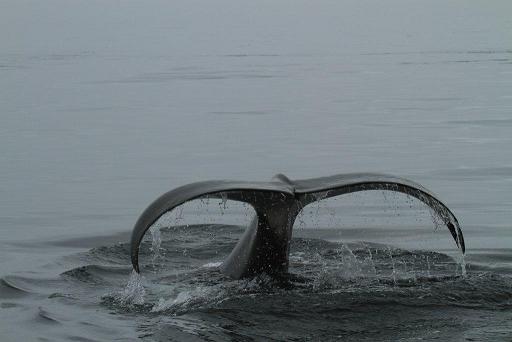
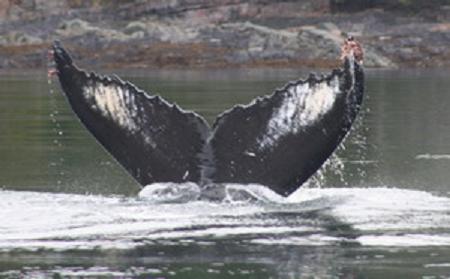
Humpback whale tail

Yesterday’s posting was an orca / killer whales while today’s is a humpback whale. Humpback whales are identified by the underside and trailing edge of their tail flukes; each one is different just like a fingerprint. The white on the underside of the tails will vary in amount and pattern and these photos are used by researchers to identify and track whales


Marine Mammal Tail 1 of 2

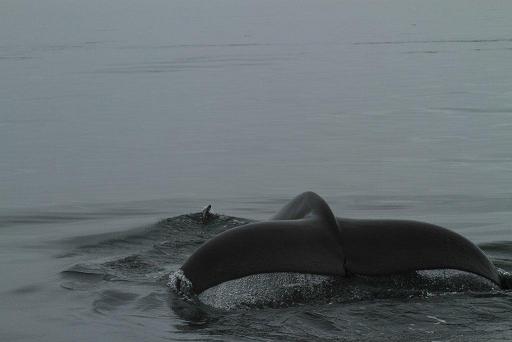
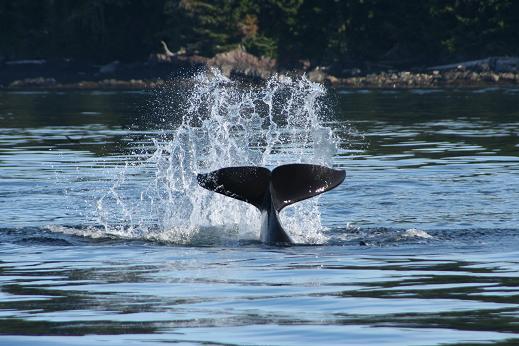
Killer whale tail

Seems to be three choices for this tail: a small humpback whale, a large dolphin or a killer whale. All three are common when on a whale watching trip from the lodge. The area’s humpback whale population has grown to the point that we often view up to a dozen whales a trip, the resident killer whales a frequently in the area feeding on salmon and large pods of pacific whitesided dolphins appear on a regular basis. Also there are Steller or northern sea lions, harbour seals, porpoise, bald eagles, a large variety of ducks and sea birds as well as the occasional black bear.


Spyhopping Orcas

Orca spyhopping

When spyhopping, killer whale rises and holds position partially out of the water, exposing its head, this is visually akin to a human treading water. Spyhopping is controlled and slow, and can last for minutes at a time if the orca is sufficiently inquisitive about whatever (or whomever) it is viewing. Spyhopping often occurs during a “mugging” situation, where the focus of attention is on a boat rather than on other nearby whales. Generally, the killer whale does not appear to swim to maintain its “elevated” position while spyhopping, instead relying on exceptional buoyancy control and positioning with pectoral fins.


Porpoising 2 of

Killer Whale

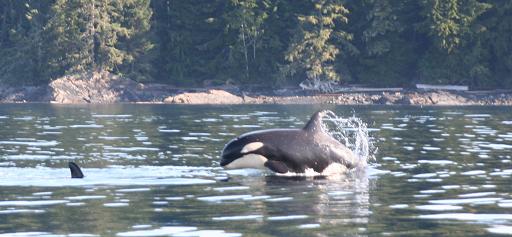
Orcas, or killer whales, are the largest of the dolphins so it is only natural that they will often behave like dolphins. There are both resident and transient pod populations of killer whales in our viewing area the most common being the residents. Resident pods tend to prefer fish, while transient pods target marine mammals.


Visiting Killer Whales / Orca

Visiting killer whale

Some orcas do not believe in the 100 meter (yard) distance set out in the Whale Watching Guidelines. But this was a good day because the warden that oversees these guidelines was near us and watched the orca approach and circle our boat. Talking with her after it moved back to it’s passing pod she thought that we must have been sitting over a school of salmon and it came to fish. The reason is interesting but the experience is what the guests will remember. The days whale watching tour from Grizzly Bear Lodge spends most of its time in the Johnstone Strait adjacent to Vancouver Island where we normally observe orca, humpback whales, porpoise, dolphins, harbour seals, Steller sea lions, bald eagles, a variety of sea birds and frequently black bears.


Killer Whales Resting 2 of 2

orca pod restline

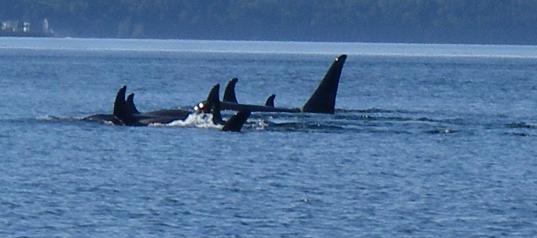
Unlike the grizzly is the previous posting killer whales do not get to stay in one place and enjoy the sun. The pod will form a tight group often a line if they are traveling, and their breathing and movements will synchronize. They take several breaths at the surface, and then submerge for a period of time before surfacing again. The time spent submerged increases as the “sleep” becomes deeper, and they may take up to ten breaths near the surface before submerging for as long as ten minutes. It the pod is in search of food it will spread into groups of two or three and this is when the hydrophone will pick up their calls as they communicate.


Excitment coming

Killer Whale approachiing

If you have just taken a photo like the one above you know that the next photos will be allot more exciting as the orca / killer whales come closer. The whales watching guidelines specify that we must be 100 meters (yards) from the orca that is to prevent running to close along side the pods or leap frogging to get in front of a traveling pod of orca. However the orcas are not aware of the guidelines and will often turn and approach a boat that is sitting quietly. If you have scanned through the blog postings you will notice many photos of orca close to and even passing under your boat that does not mean it happens every tour but the percentages are high that your will get your “bucket list” photo.


Curious 2 of 3

Killer Whale Visiting

Yes that is the edge of the boat in the lower right corner of the photograph. And this is another curious mammal an orca or killer whale. The whale watching guidelines require that we stay 100 meters (yards) from the orca and we were until this female came over to the boat and swam around and under us several times. We were fortunate that the warden (whale watching police that enforces the guidelines) was not far from our boat at the time of the occurrence and had not just arrived to see it happen. We talked with the warden after and both agree that we must have stopped over a school of salmon and this orca was fishing.