Tag Archives: orca watching
Orca dive Set 2 of 2


 Continuation of yesterday’s post. Can’t think of a thing to add just enjoy?
Northern Resident Orca Identification
If you have the time to open another browser click here
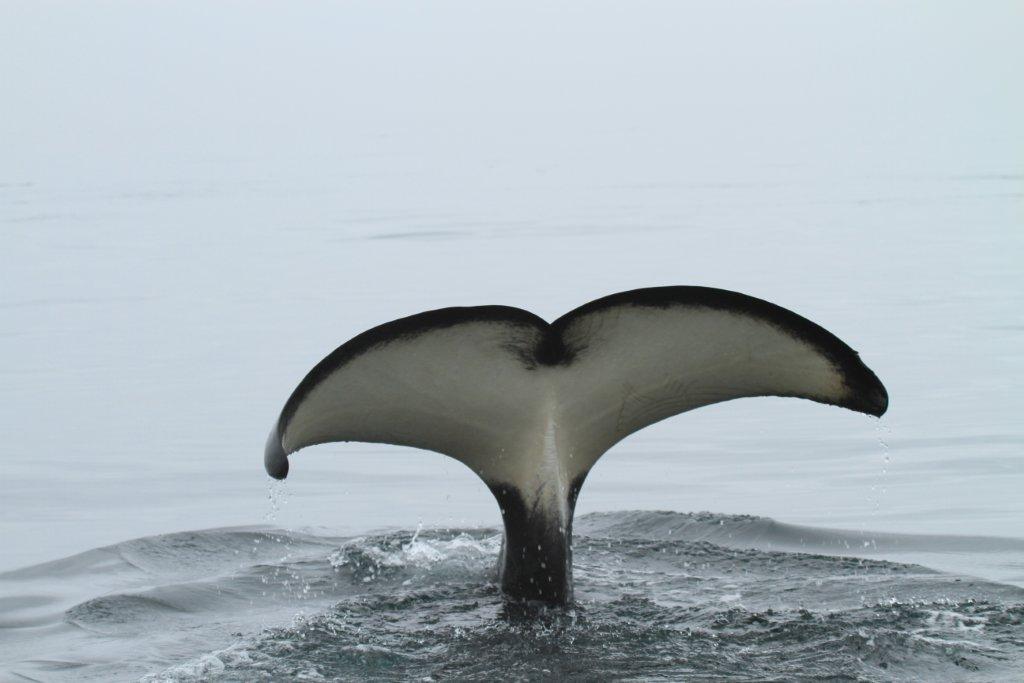
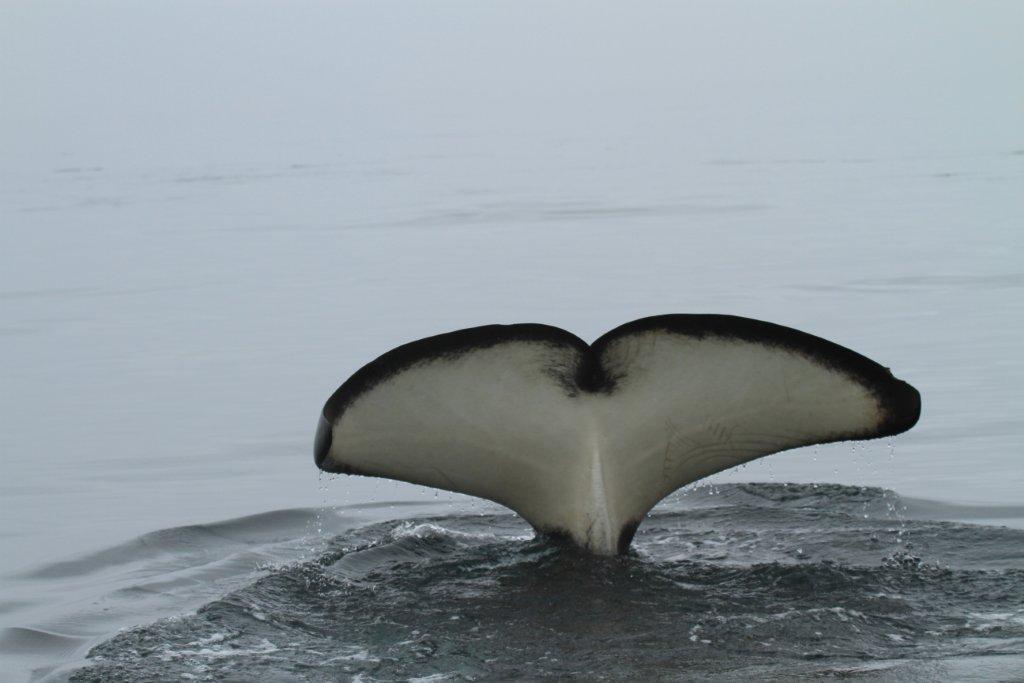
Killer Whales of the Northern Resident Community
northenresidentorcas.blogspot.com// you will be in a website which identifies all the orca that we observe each summer. The map area in red shows the area frequented by the northern resident orca and this is basically the area we cover when we go on our whale-watching safari. If you click on “A1 pod – A30 matriline” and scroll down until you come to “A72 Bend” if you look closely you will discover that this one of the orca in the photo. Some great video of the orca the orca is provided the second one has sound.
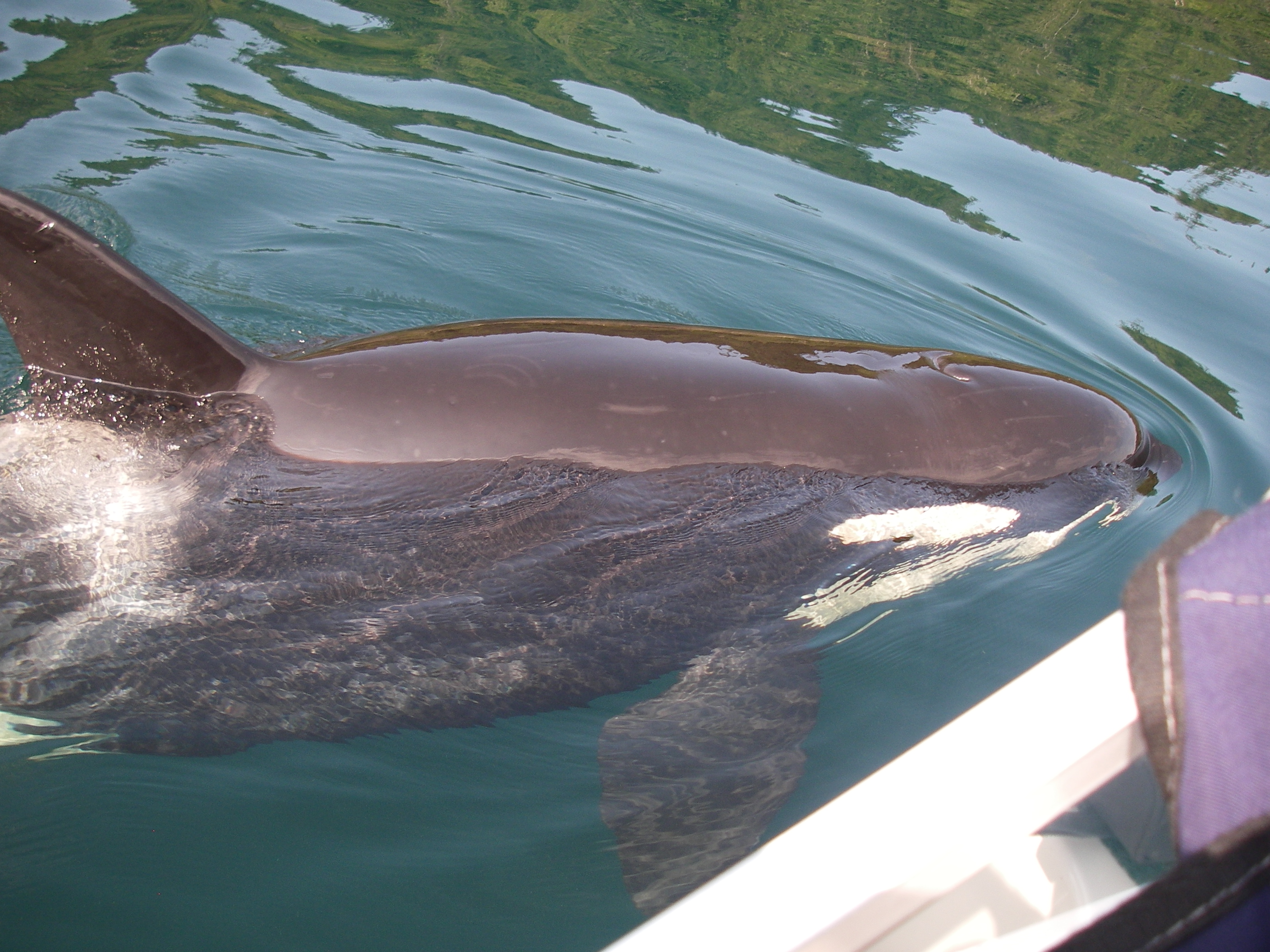
Orca while whale watching

Click photo to enlarge
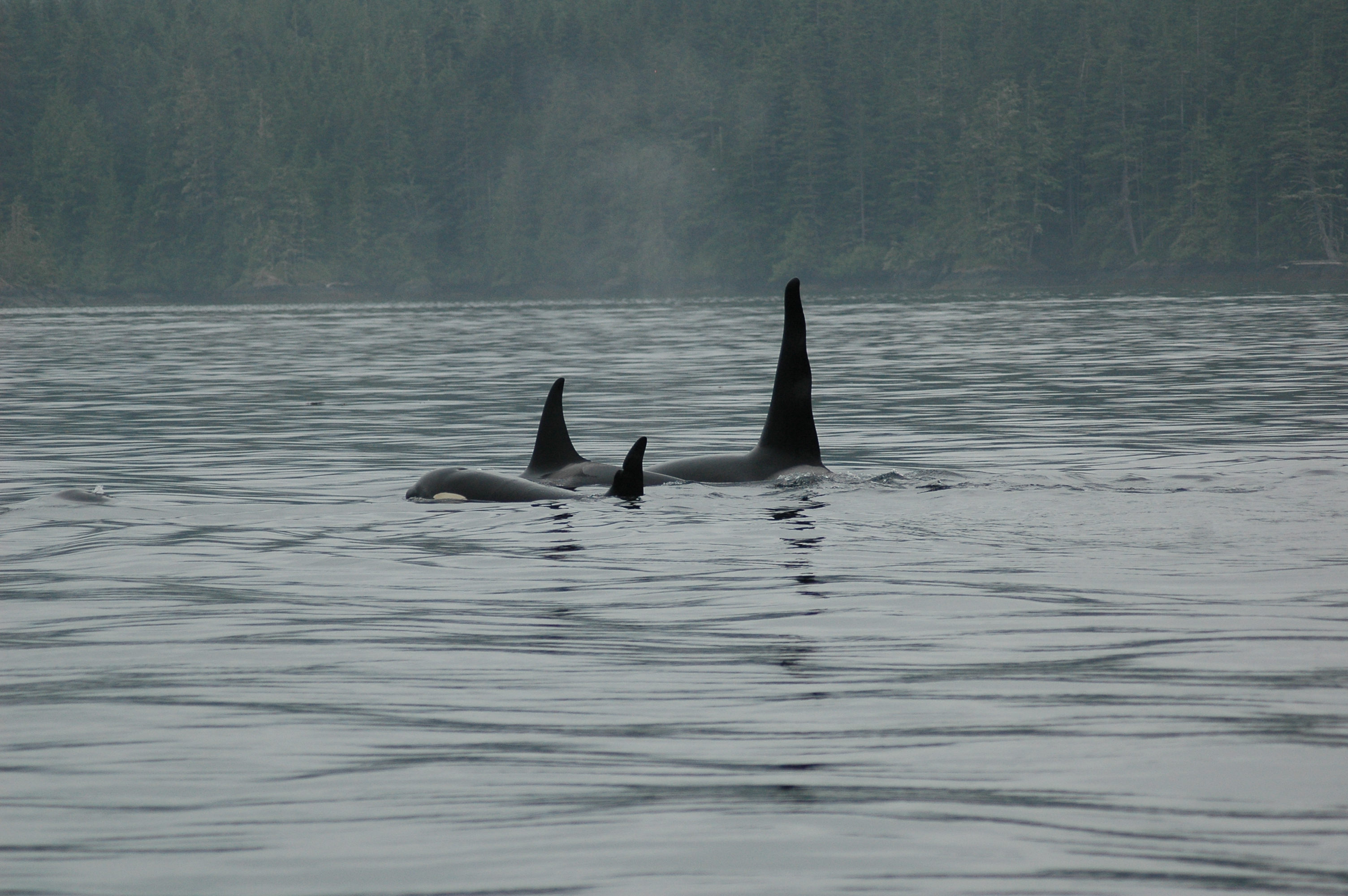
The resident orcas arrive in the area adjacent to the East Coast of Vancouver Island in the Johnstone Strait normally by the start of July and remain in the area through October. The residents are the salmon eating orca. The transient orca, mammal eaters, is in the are all year but spend much of their time is the inlets away from much of the marine traffic. R. W. Baird says “Membership in each (group) begins at birth and cultural bonds and identity continue throughout life. Residents and transients differ in diet, vocal traditions, habitat range, morphology (shape of dorsal fin, etc.), pigmentation patterns (such as the eye patch) and genetically. Though they cross paths routinely throughout the inland waters of BC and Washington State, the two forms are becoming, or by some accounts are already, separate species. DNA work indicates that they have not interbred for at minimum one hundred thousand years.” This great photos provided by Marc and Solange Edouard from France are of two female resident orcas and a lone male.
Classic orca photo

The whale / orca watching safari day from Grizzly Bear Lodge start with a fifty minute boat ride from the lodge to the area of Johnstone Strait. Along the way we search the shore for black bears, eagles and anything else that moves. Once we are in the Strait’s area or eyes turn to the water for marine wildlife such as seals, sea lions, dall’s porpoise, white-sided dolphins, minkie whales, humpback whales and of course killer whales or orca. The resident or salmon eating orca we normally see in this area travel in family pods of ten to twenty members. The pods are dominated by the “mother” (oldest female) making them matriarchal however it is older males (sons stay with their mother all their life) that tend to attract most of the picture taking.
Orca Watching?

Spyhoping is an action taken by orca to get a better view of their surroundings. Although most books published on whale / orca behaviour show many pictures of this activity it is very hard to get a picture. If you have your camera pointed in the right direction and happen to be taking a picture on another orca activity you might just get a spyhop.
Whale identification

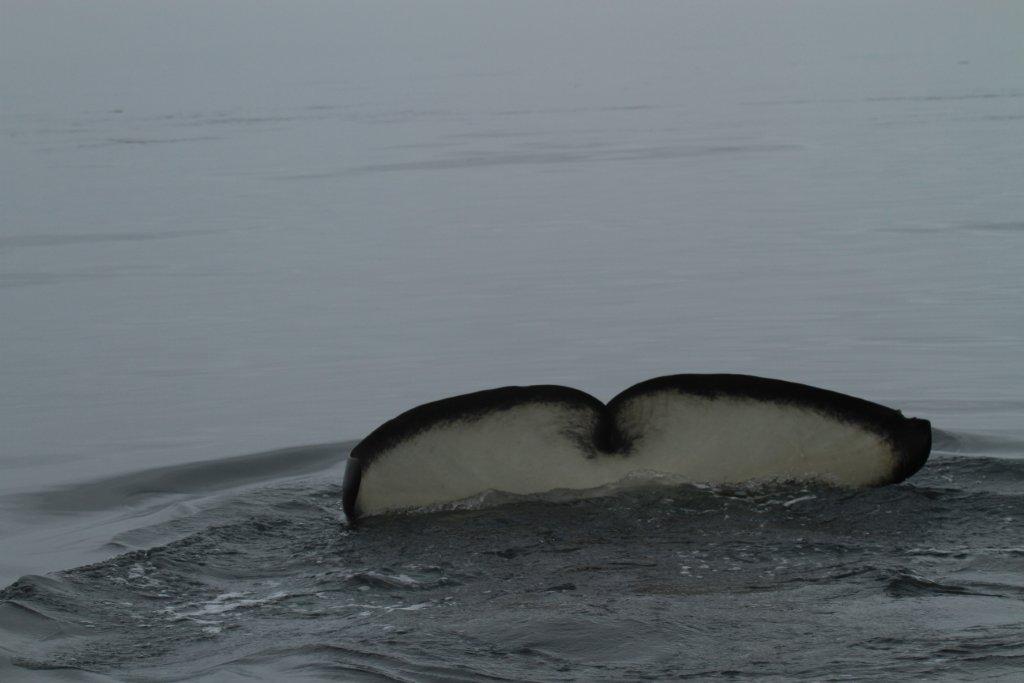
Many of the humpback whales we observe in the waters of British Columbia have been identified with a number / name and have their pictures in a catalogue. The underside of a whale’s tail shows a range of white patterns. These patterns added to any scars or other markings are unique to each whale.
Orca watching safari
The whale / orca watching requires a short run to Johnstone Strait in the area of Telegraph Cove on BC’s Vancouver Island. Guidelines are in place to prevent whale harassment but that does not mean that we don’t manage to obtain good photos. Orca being curious will frequently investigate us while we watch them.
Large Male Orca on Whale Watching Safari
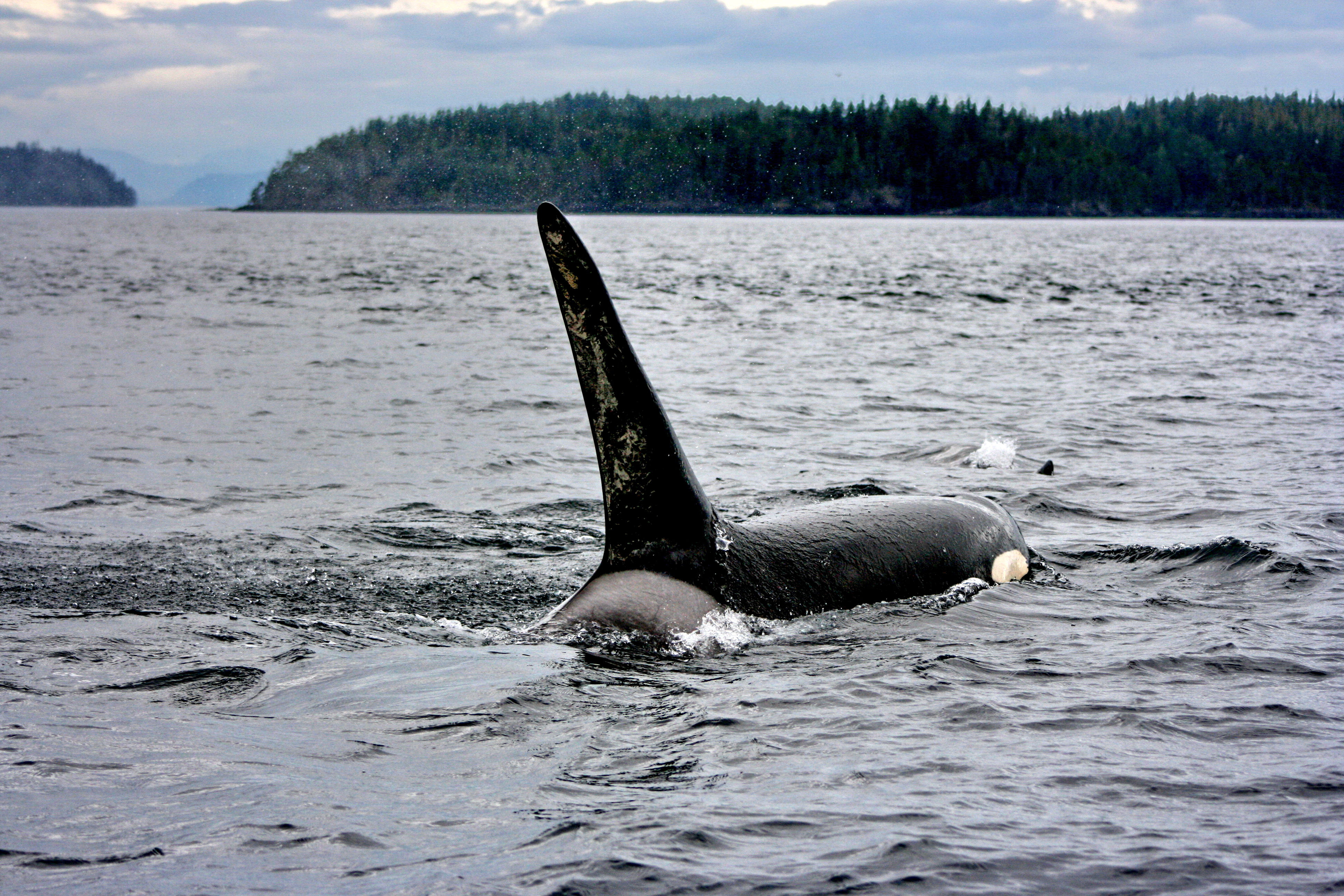
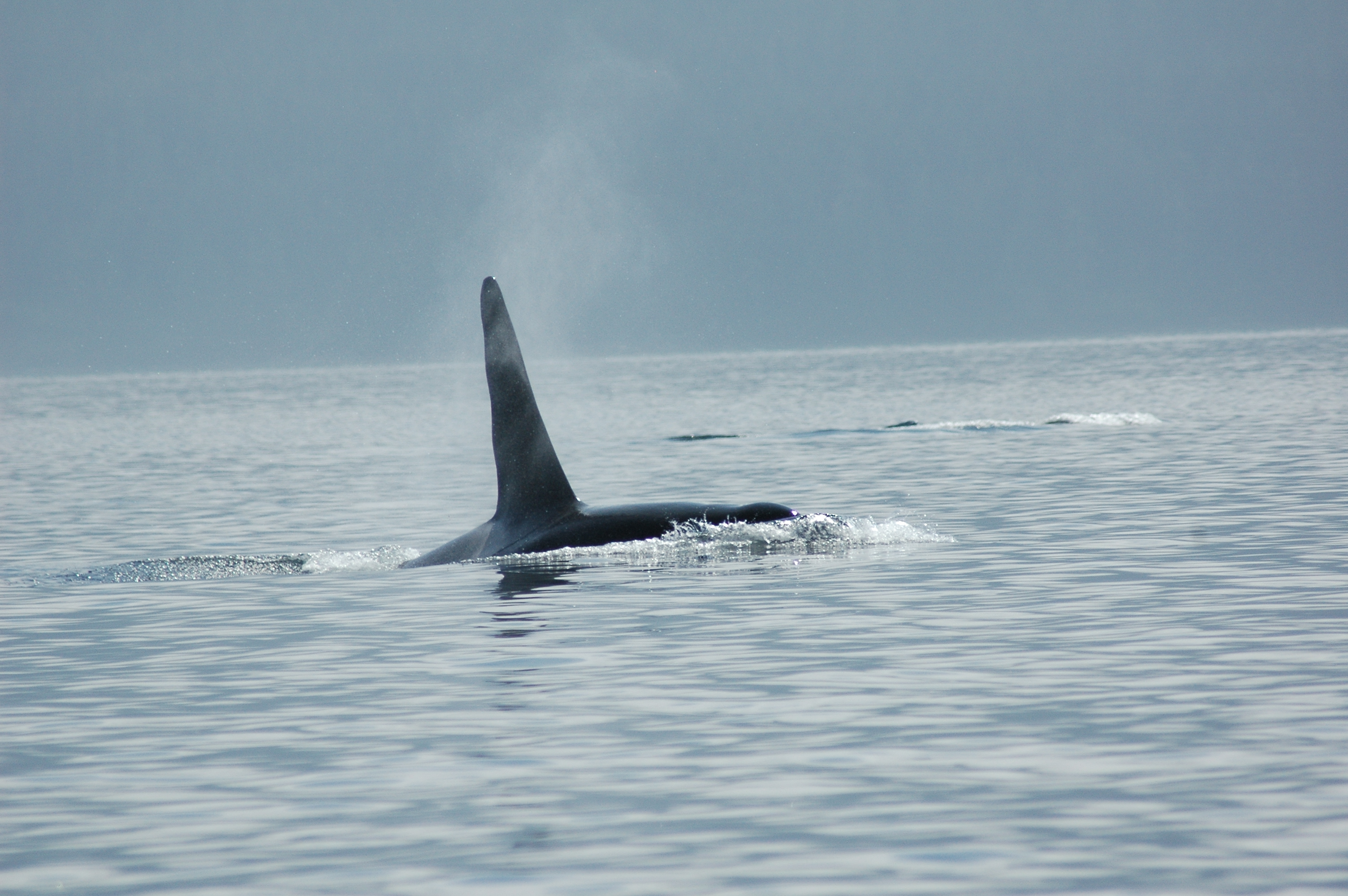
The day whale watching means we travel to the area of Johnstone Strait near Telegraph Cove on Vancouver Island BC. The resident, salmon eating orca, arrive in early late June and stay through October while the transient, mammal eating orca are in the area all year. Confused? The first serious study of the orca populations in the mid-1970’s started as a summer study so when the scientist arrived in July and left in September the orca were always in the area and therefore there named resident orca. Little did they know that this was a summer feeding area as the orca followed the salmon? The transient orcas, which were in the area, spend more time in the remote inlets in the summer because there was more boat traffic. The transient orca still travel through our viewing area in the summer but this photo is of a resident as determined by the size and shape of its dorsal fin, taller and narrower at the base. Photo provide by guest Alferd Bittner.
Whale watching safari – Orca
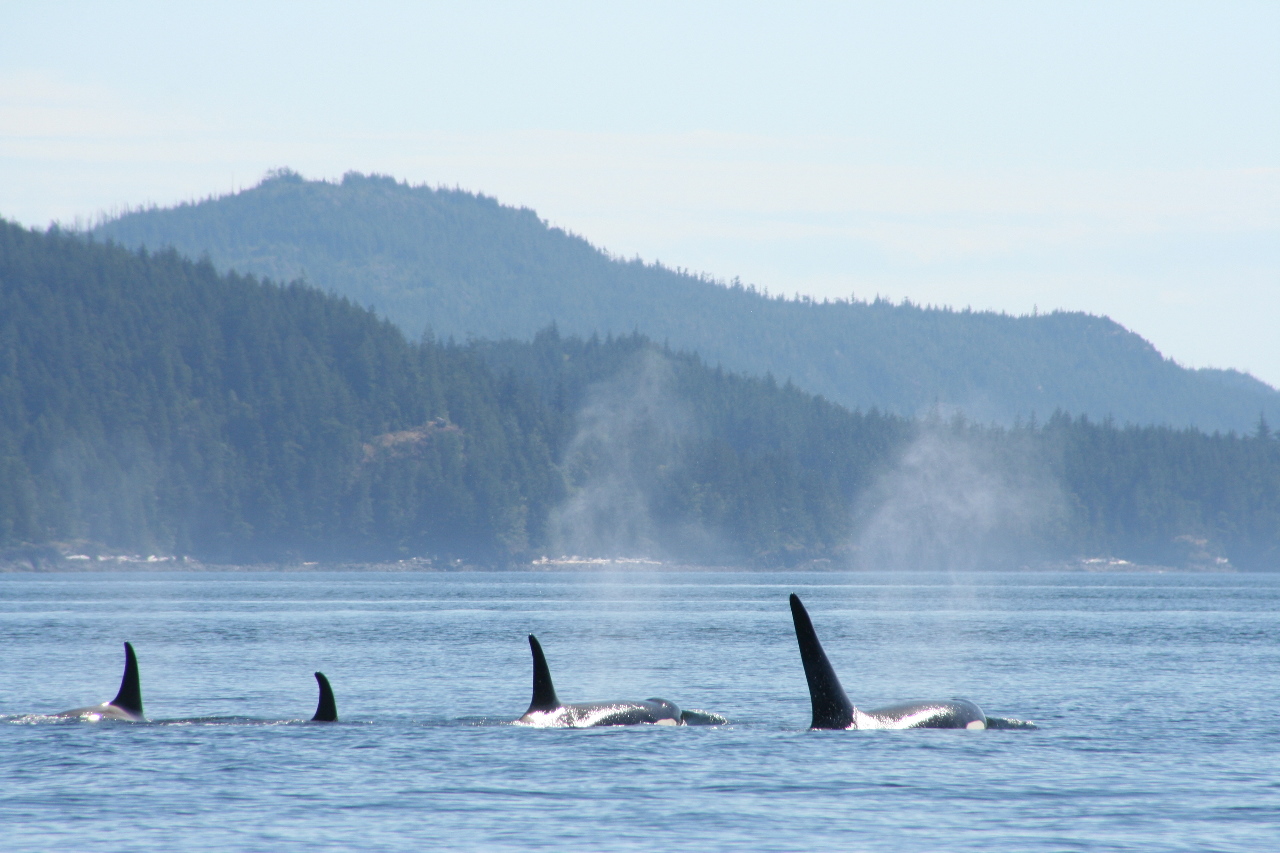
A “resting line”. Orcas travel in small pods and will often join up and synchronize their swimming in that they all surface at the same time. This is accompanied by long slow dives. Sort of like an afternoon nap. Ideal for whale watching as it permits one to prepare for photos as the orca tend to do three or four rolls before a long dive.