Grizzly Bear and Wildlife Tour Blog

We offer an exceptional fly-in lodge for Grizzly Bear Watching and Whale Watching in British Columbia.

Learn about What’s happening at the Lodge, view our British Columbia’s Wildlife Report, read our Grizzly Bear Watching Blog and Whale Watching Blog. Learn more about a Day on the River Blog, see Our Tour Guide’s Photos & Blog and  Photos from Our Guests.

Guide Photos

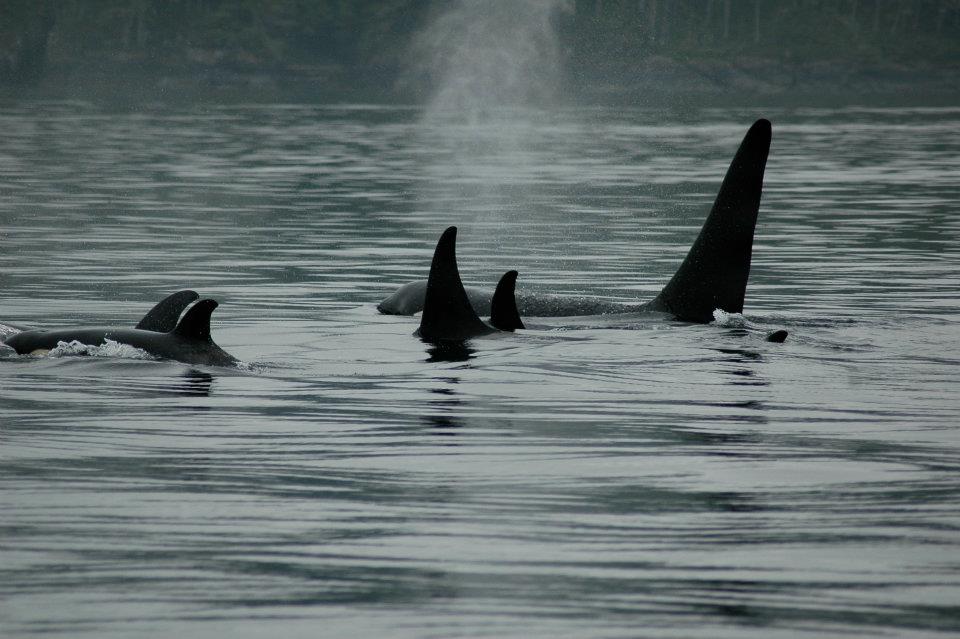
orca pods
Click to enlarge then click again

Killer whales live in tight-knit families or pods, which are matriarchal family groups. Animals born into a pod stay in the pod their entire lives.  Each matriline often contains three or more generations. The head female or matriarch leads the pod, as orcas are a female dominated species. The matriarch tends to be the oldest female in the extended family. Her experience and knowledge guides the pod, and the matriarch teaches younger dolphins about everything from parenting skills, feeding tactics, and navigation through the vast territories that they cover.

Orcas have long life expectancies, 60 to 80 years for females and 40-60 years for the males. Females have the ability to reproduce as early as 14 years of age, but it is more common to see a female first calf at around 17 to 18 years old. Males reach sexual maturity between the ages of 17 and 20, but DNA research has revealed that older males are more successful. An orca gestation period averages 16 to 18 months.

 

Guide Photos

black bear crossing
Click to enlarge then click again

Although this photo does not have a date to determine the time of the year it was taken late in the season likely September. Fall bears have a pretty good layer of fat and this means they float much higher in the water. The early season black bears often have only their head out of the water and very little of their back. As I mentioned in yesterdays post the lodge is in an area of many small islands and bears are good swimmers that travel between island.  It seems that they believe in the “grass in greener on another island” philosophy. This same philosophy has brought several grizzly bears to Minstrel Island where our lodge is located. As the population of grizzlies grow in the area of Knight Inlet it has become more common it see grizzlies on the evening black bear tours and while looking for whales and orca.


Guide Photos

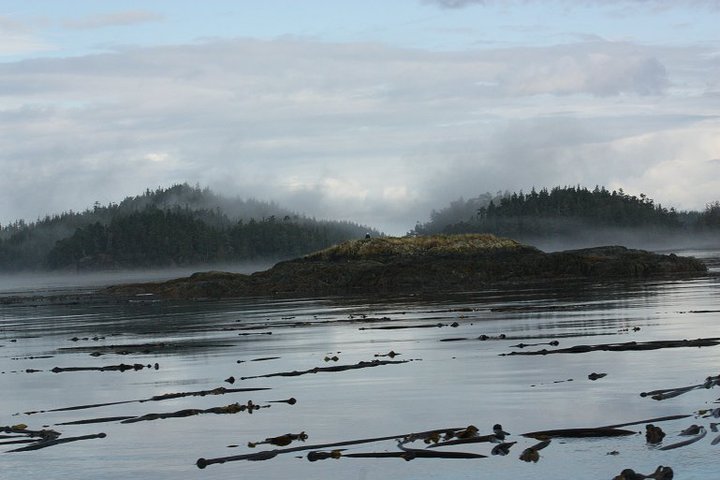
eagle sunning
Click to enlarge then click again

Yes there is a bald eagle on the centre of the rocky island. The area between Minstrel Island the home of Grizzly Bear Lodge and the shore of Vancouver Island along Johnstone Strait has hundreds of small islands. On the whale watching tour from the lodge we pass many islands and along their shore are dozens of eagles and often black bears.  The black bears require a low tide to encourage them to scour the beach for food. This inter-tidal zone “food” is high in protein and is made up of crab, clams, barnacles, amphipods and other tiny invertebrates. The guests that have not spent much time on coastal waters are always amazed at the amount of wildlife that can be viewed before we get to the area of the humpback whales, killer whales and other marine mammals.


Guide Photos

grizz;u hungry
Click to enlarge then click again

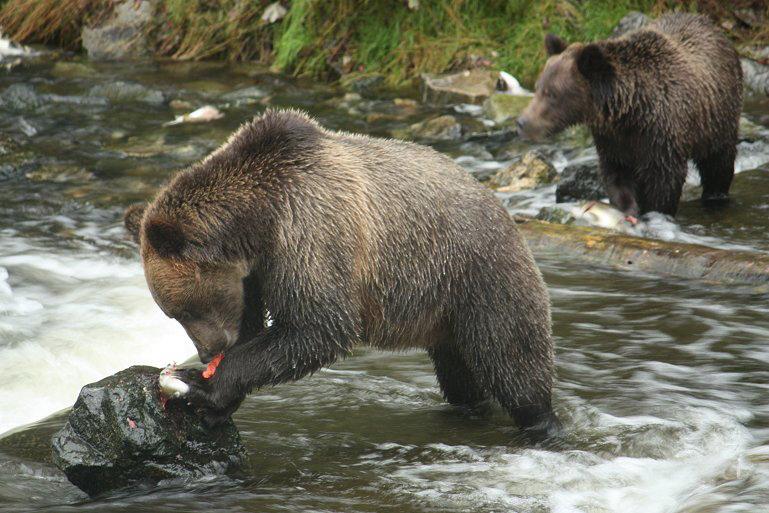
The same grizzly bear from yesterday’s post eating the salmon it caught. It is not uncommon to have 6 or 8 bears at the entrance to the spawning channel catching and eating salmon. There is not much aggression between the bears because of the abundance of food. There may be some challenges to the better fishing spots but when even the poor spots provide more than enough salmon the aggression does not become violent enough to shed blood. I have talked with guides that work the rivers in northern BC and southern Alaska and their grizzly bears have numerous scars and many open wounds due to fights over the rights to fish salmon.


Guide Photos

grizzly caught salmon in mouth
Click to enlarge then click again

This is the classic pose for a grizzly bear. The photo was taken from the viewing stands on the Glendale River in Knight Inlet BC. The late summer grizzly viewing, after August 24th, requires a short van ride (fifteen minutes) from a floating dock in the river estuary to the man made spawning channel. The grizzlies of the Knight Inlet area, which is on the southern edge of the Great Bear Rainforest come to this river to feed on the fall, run of spawning salmon. The day tours from our lodge on Minstrel Island use these viewing stands and often view more than a dozen different grizzly bears in the immediate area of the stands as well as grizzlies on the drive to the stands. If one looks closely in the water in front of the bear there are many salmon on their way to the spawning channel and the main reason the bears pose for this photo.


Guide Photos

breaching h;unpback whale on side
Click to enlarge then click again

All photographs of breaching humpback whales are a result of a certain amount of LUCK. For the past several years the whale watching days from Grizzly Bear Lodge has the guest viewing between ten and sixteen whales each tour. This means good photo of humpbacks tail lobbing, lunge feeding and surfacing close to the boats however the unpredictable nature of a breach means pictures are rarer.  This breach from the head on perspective is very unusual.


Interesting Guest Photos

grizzly bear claws close up
Click to enlarge then click again

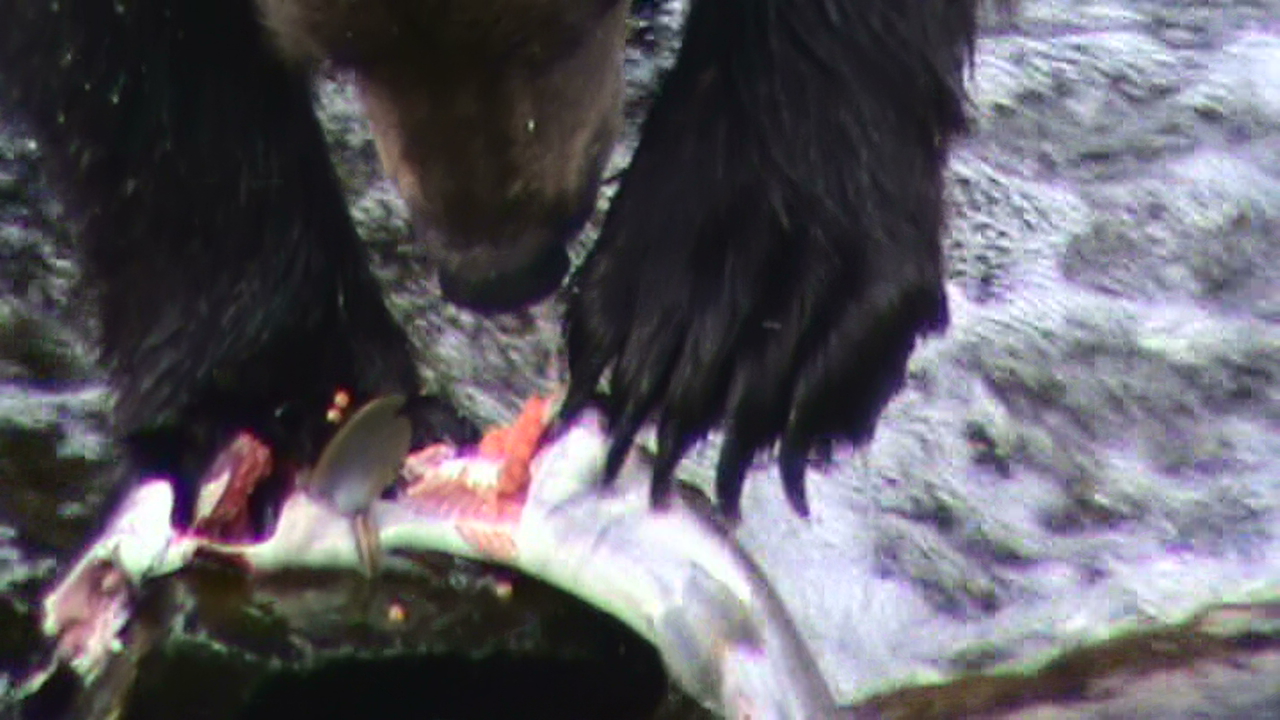
Grizzly bear claws can be used to hold a salmon to share with a cub as shown in the March 29th posting or they can be used to dissect a salmon as shown in toady’s. Janis Worsley from the UK used a long lens to capture this grizzly at work.


Interesting Guest Photos

grizzly cub staying dry
Click to enlarge then click again

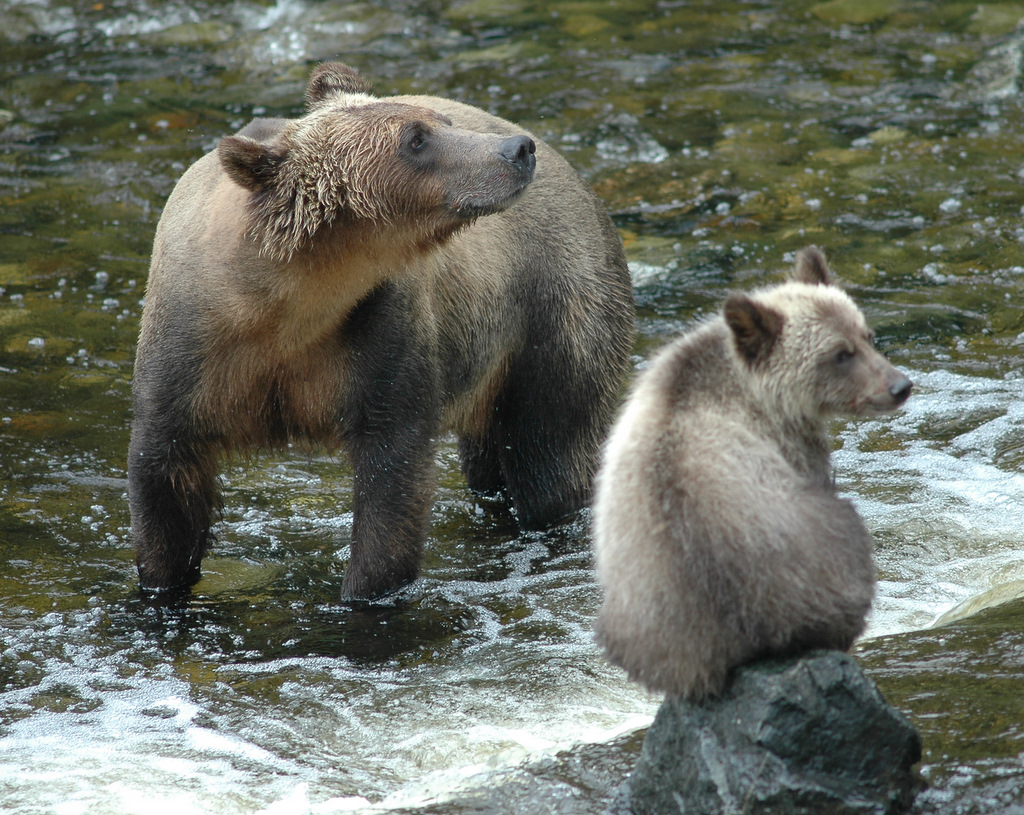
Because of the abundance of salmon in BC’s Glendale River the grizzly bears do not show much aggression towards each other, which encourages females to bring their cubs to the spawning channel to feed. First and second year cubs are common around the viewing platforms and provide amusing photo opportunities.  Although the water flowing from Tom Brown Lake is warm, in that it is not glacial cold, this cub seems to prefer sitting on a dry rock while mother fishes. It did come off to eat but was quick to return to its perch.


Interesting Guest Photos

grizzly sharing with cub
Click to enlarge then click again


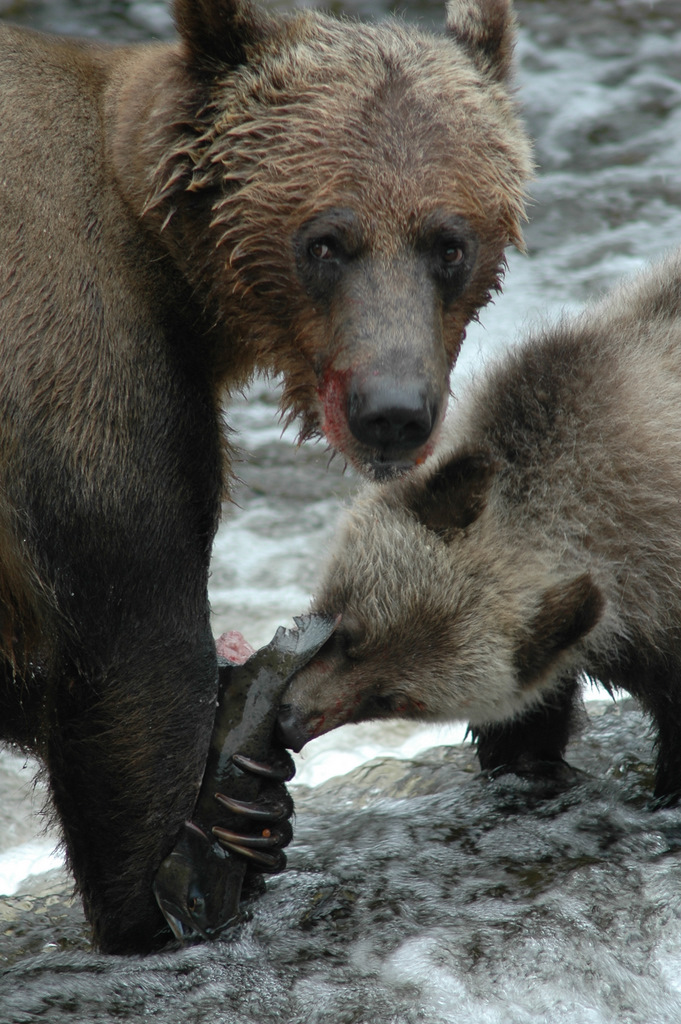
Great Britain’s Lindy Taylor provides another great photo, this one of a mother grizzly bear sharing a salmon with her first year cub.  This photo shows the claws holding the salmon so the cub can feed. The normal claw length is seven to ten centimeters (3 to 4 inches) long and useful to catch and hold the salmon. Again the salmon is being eaten headfirst, as the mother and cub need to fatten to survive hibernation….more cub tomorrow.

Interesting Guest Photos

knight inlet grizzly with salmon
Click to enlarge then click again

Same bear from yesterday’s post eating the salmon headfirst. This photo was taken on September 1 which is one week into Grizzly Bear Lodge’s use of the viewing platform on Knight Inlet’s Glendale River. The salmon arrive in the river mouth in mid-August and start up the river in late August giving the bear their first opportunity to catch salmon. This means that the grizzlies are hungry and will normally eat the whole fish and not be selective and eat only the protein rich roe and belly fat.