Grizzly Bear and Wildlife Tour Blog

We offer an exceptional fly-in lodge for Grizzly Bear Watching and Whale Watching in British Columbia.

Learn about What’s happening at the Lodge, view our British Columbia’s Wildlife Report, read our Grizzly Bear Watching Blog and Whale Watching Blog. Learn more about a Day on the River Blog, see Our Tour Guide’s Photos & Blog and  Photos from Our Guests.

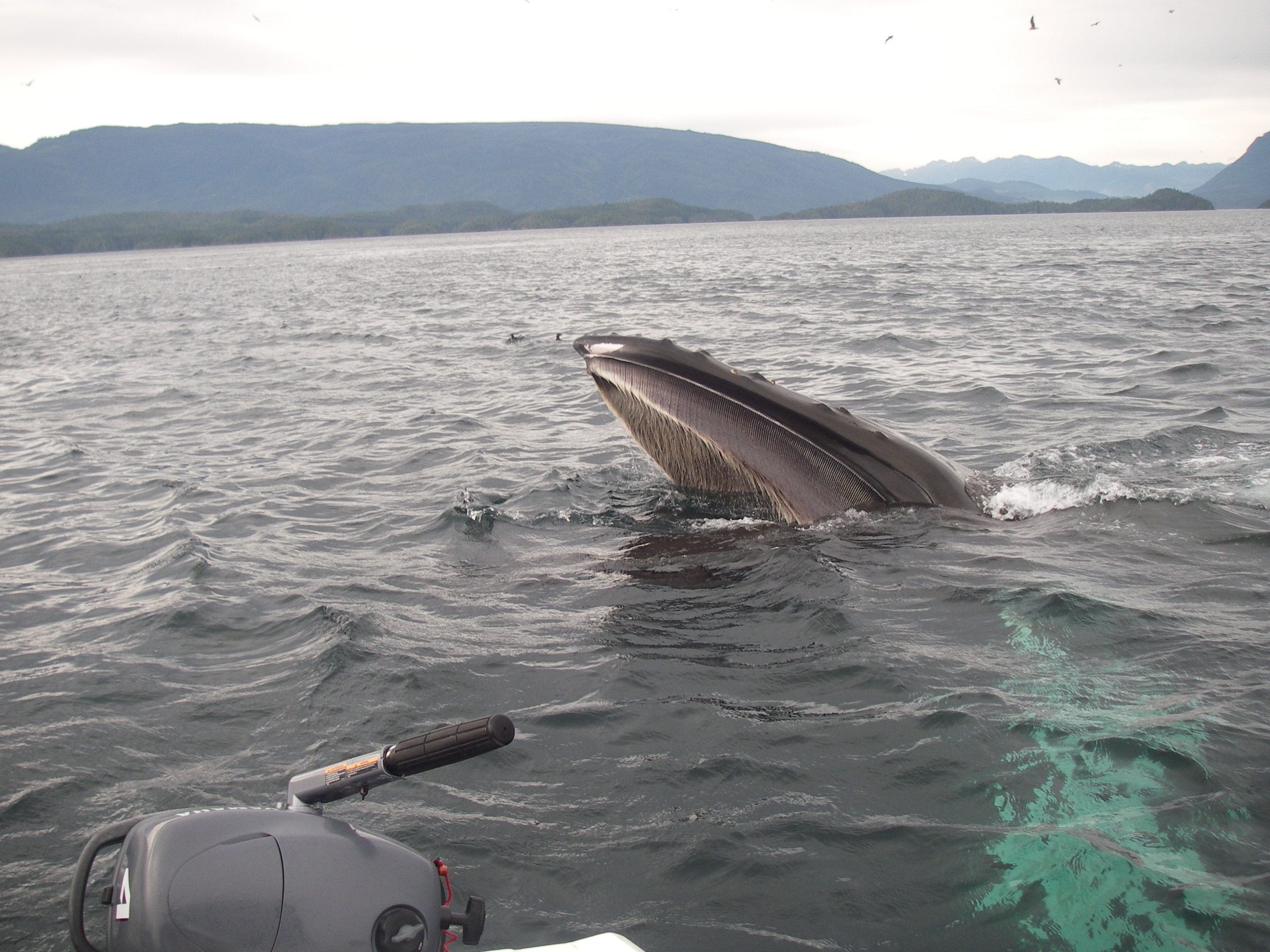
Whale watching – Florence and Ray 6

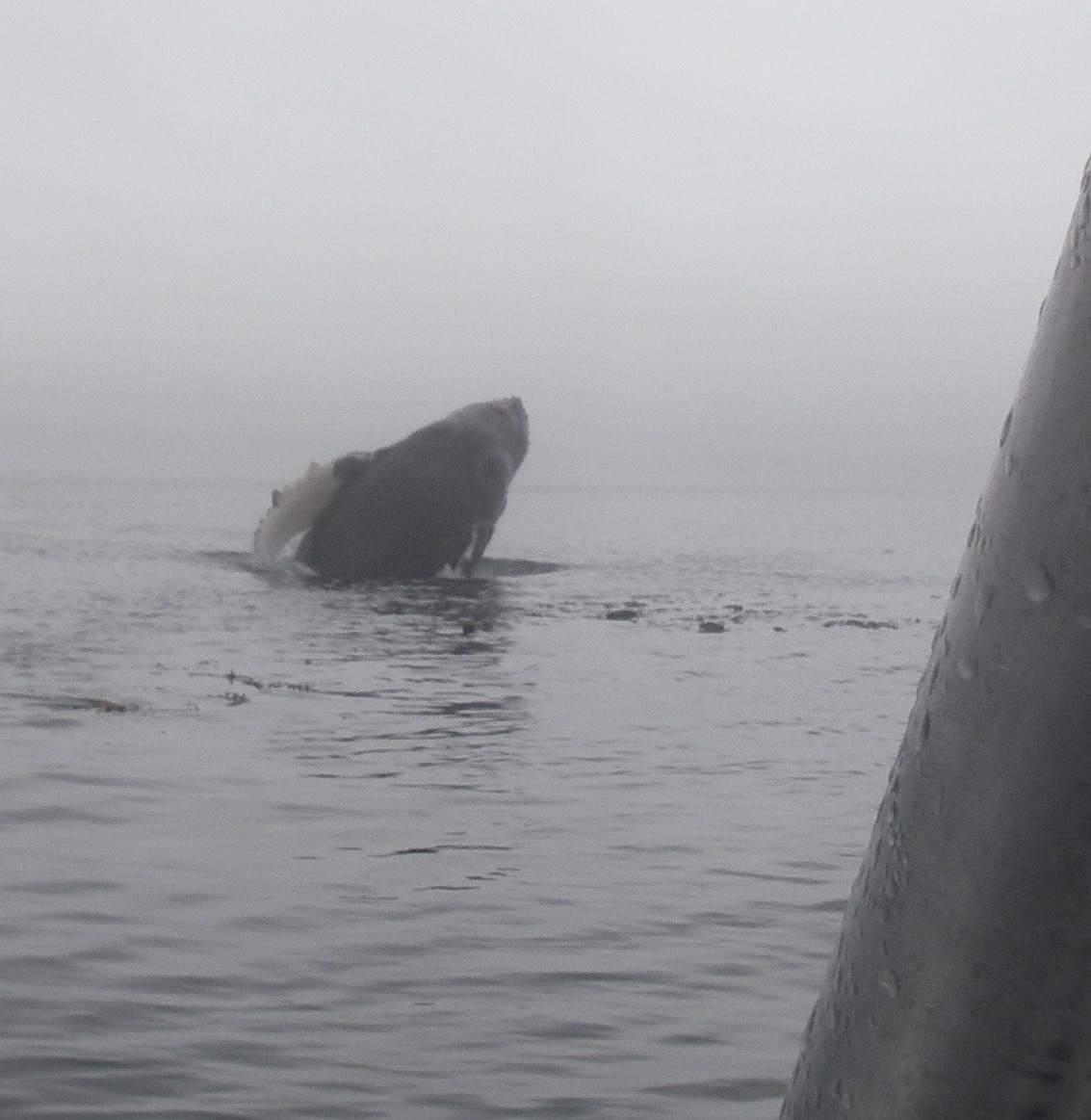
very close whale
Click to enlarge then click again

As mentioned in yesterday’s post it was an active day for the humpback whales.  Our lunch break is often in the area of Bold Head where we set up a table in the boat and drift with the tide and the whales.  With the motor turned off and no noise but the water lapping against the boat we often have visitors. On this whale watching tour we had a humpback whales lunge feed directly behind the boat. As you can see humpback whales are baleen feeders straining water through their baleen.  Note also the white of the pectoral fin extending beneath the back of the boat.  The whales know our exact position but as our motor is turned off we are not a threat rather like a drifting log.
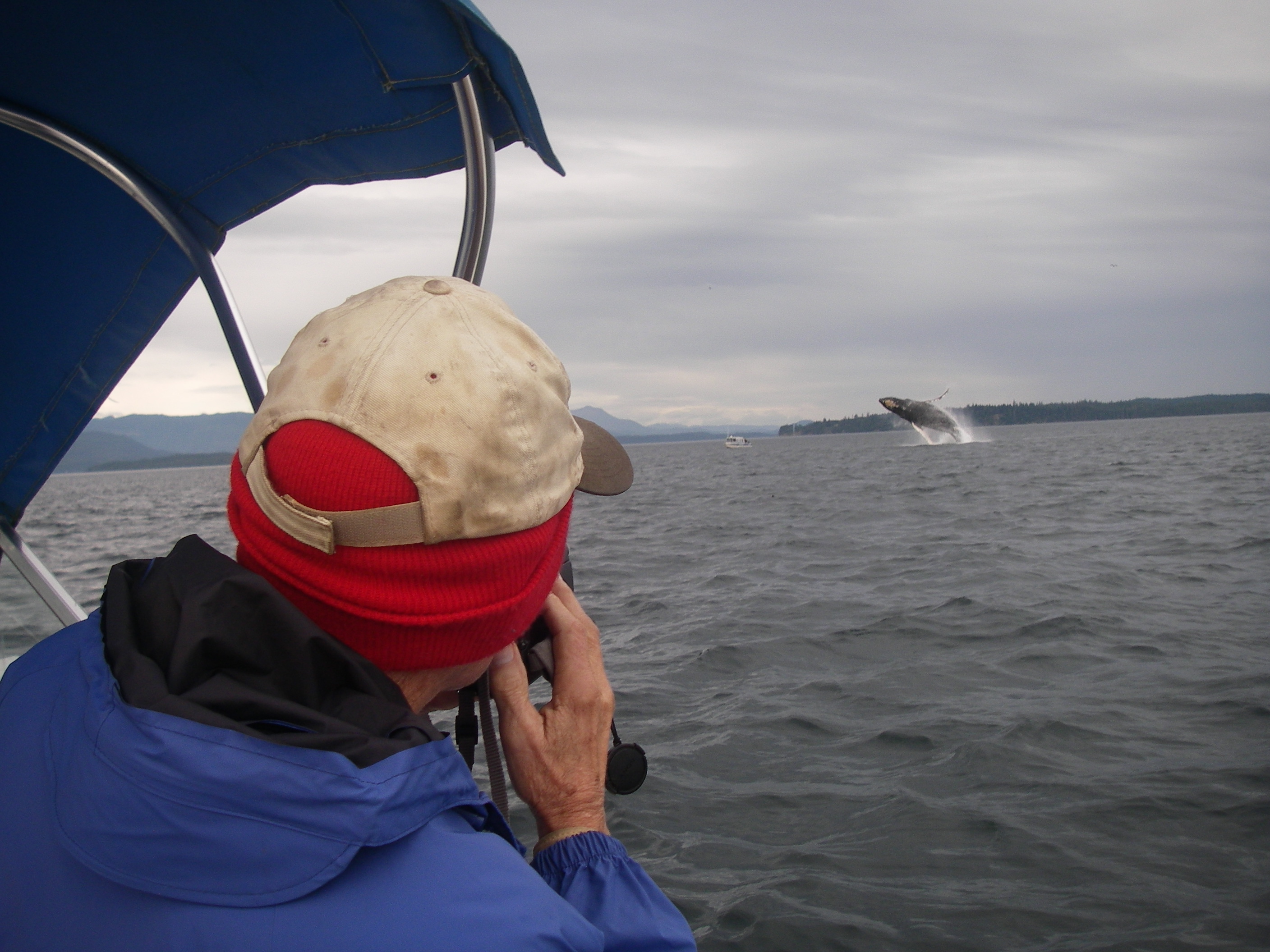
Whale watching – Florence and Ray 5

distance breach
Click to enlarge then click again

HUMPACK BREACH

Grizzly Bear Lodges whales watching tours leave the lodge at 7:30 or 8:00, depending on the time of the year, and travel to the area of Johnstone Strait between Vancouver Island and mainland BC. AS on every tour from the lodge we are always looking for black bears on the way to wherever we are going.  The area off Bold Head was the place to be for humpback whales. This photo shows Ray with their movie camera getting a great show from a breaching humpback. Normally hard to get a “non movie camera” photo but on this day it was not a problem.

Grizzly Bear Fishing – Florence and Ray 4

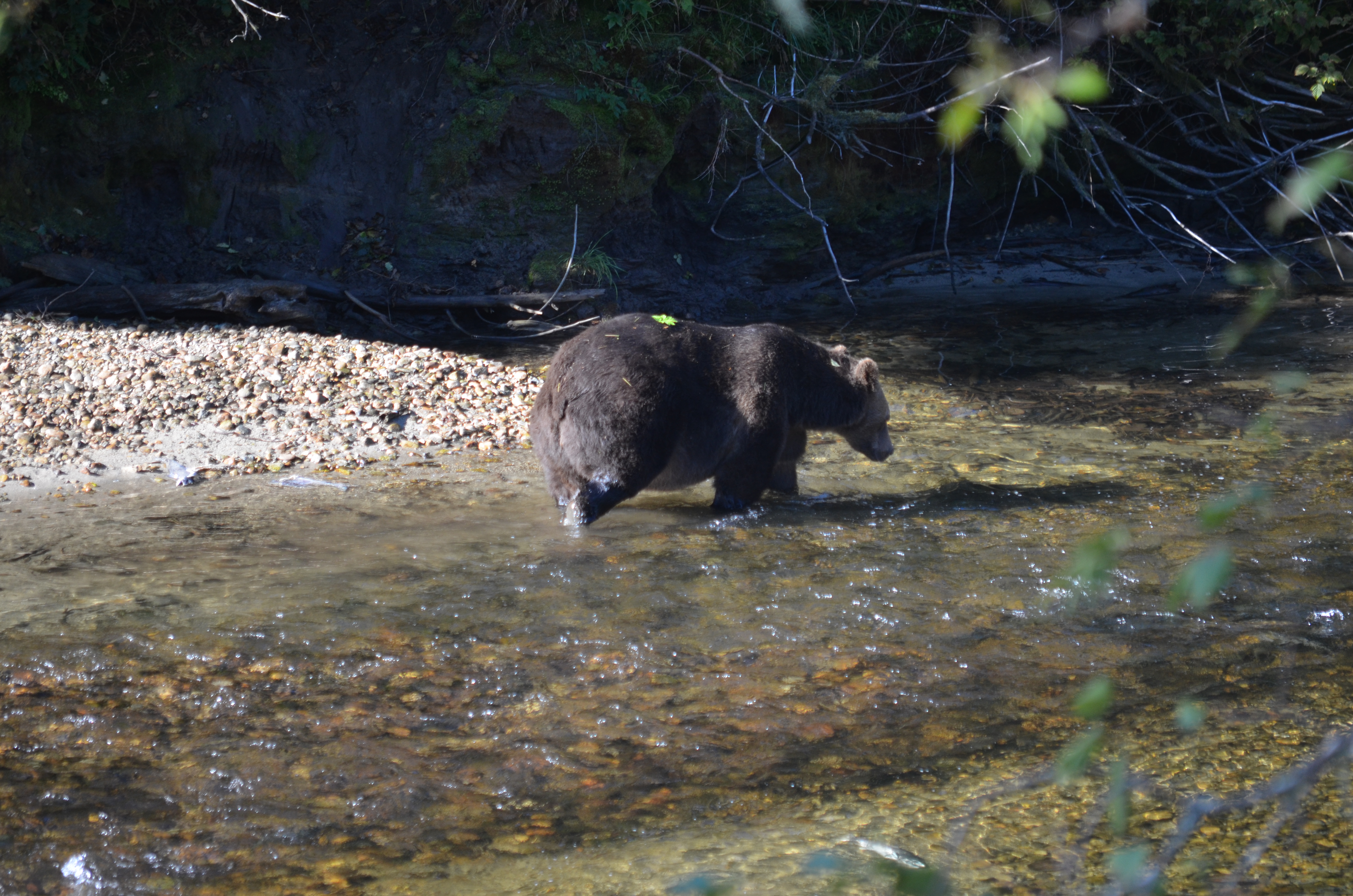
plodding grizzly
Click to enlarge then click again

Grizzly from viewing stands

The back of the viewing stands has the natural river, which is much shallower than the holding pool and also a travel route to the pool. This grizzly bear spent more than half an hour working the river, catching a few salmon before it moved further up the river. If my memory serves me well we saw more than a dozen different grizzly bears on the trip and had good bear viewing all morning. Grizzly Bear Lodge is allotted two hours on the viewing stands between 10:00 and noon each day.

Grizzly Bear Fishing – Florence and Ray 3

splash fishing grizzly
Click to enlarge then click again

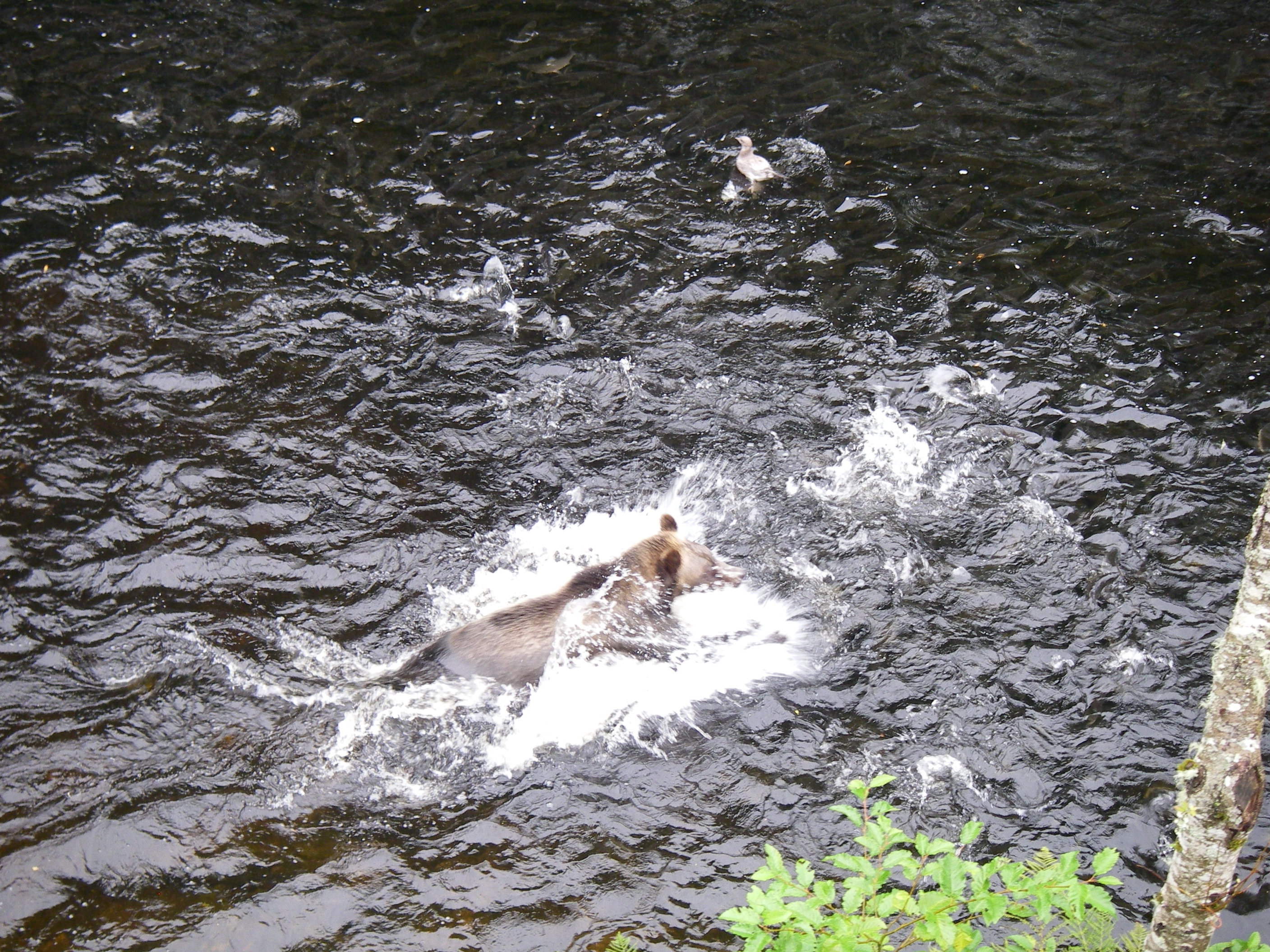
Some grizzly bears are more active and splash around trying to catch salmon, however in the deep water this is often a waste of time. Bears need to pin the salmon against the bottom and them grab them with their mouth and in deep water this becomes a problem making their success rate very low. It is hard to build up the necessary layer of fat if you ate using more calories catching salmon than eating salmon.

Grizzly Bear Fishing – Florence and Ray 2

dead salmon with a grizzly
Click to enlarge then click again

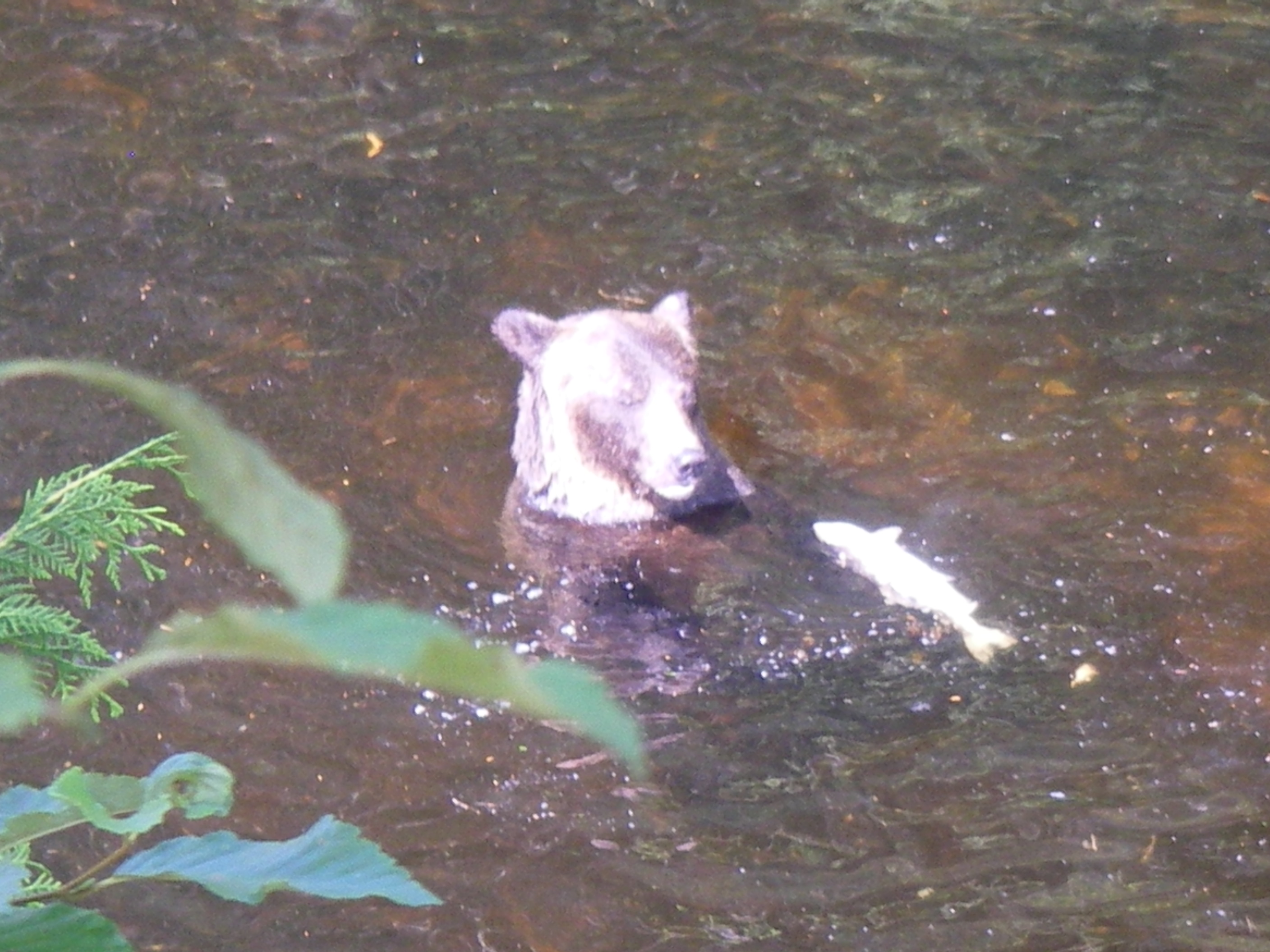
As I recall we had a good day on the viewing stands, which are, located an hour and fifteen-minute boat ride up Knight Inlet from the lodge. One grizzly spent most of the two hours we have on the stand directly below eating salmon. It did not bother to waste energy fishing rather it sat in the holding pool to the spawning channel and picked up salmon that drifted down stream. Many grizzly bears fish the spawning channel and wounded and dead salmon drift into the area of the stands making it an ideal area for less energetic bears to fish. If you look closely  this bear is surrounded by pink salmon.

Black bear with triplets

black bear family on rocks
Click to enlarge then click again

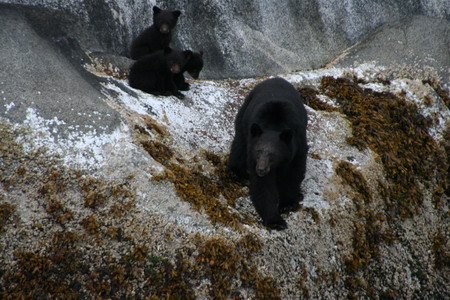
Guest first evening in the lodge normally means a local area tour to find black bears. The hour plus boat ride lets guests get comfortable with the boats and guides as well as a chance to see some wildlife such as harbour seals, eagles, black bear and learn a little history of the surrounding area. At certain times of the season the hardest animal to find is the black bear.  This is late July and early August when all the berries are ripe and bears are less likely to come to the beach looking for food.  This photo is in the spring as the cubs are still quite small.  Triplets are not very common for black bears but more so for grizzly bears.

Grizzly missing salmon

grizzly misses salmon
Click to enlarge then click again


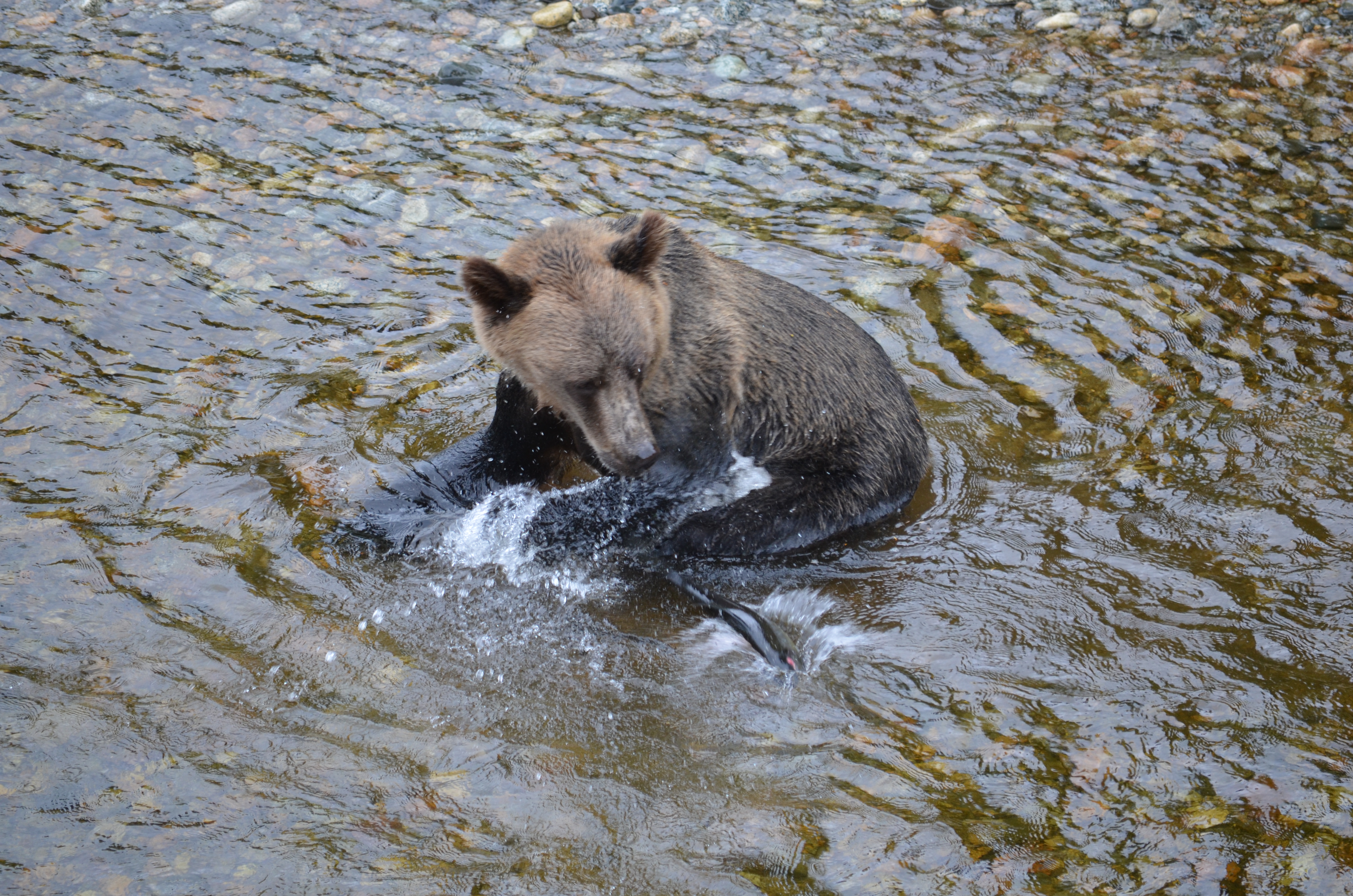
Grizzly caughtThe key to a successful fisher is to keep trying.  The first photo shows a close call for the salmon but to be sure bears do not stop and this fish did not escape. The time to fatten on the fish in the river around our viewing stands is limited from late August to late October so persistence is the key to a good hibernation.

Humpback Whale breaching close to boat

close breachinf whale
Click to enlarge then click again

As the blog writer and guide I have frequently mentioned that the best strategy in whale watching is to do nothing. Doing nothing means once the whales are located it is often best to sit in a quite boat and let the whales carry on with their natural activity without the noise of boats moving around. This is especially effective if you are the only boat in the area. Besides providing the guests with opportunities for great photos it gives me time to play with my Pentax Optio (6mp 3Xoptical zoom) and get a shot like the one posted. If I am able to do this with a “point and shoot” imagine what guests are able to do with the cameras they normally have.

Grizzly Passing through

leaf on grizzly
Click to enlarge then click again

The area behind the viewing stand that we use on the Glendale River is a traveling route for grizzly bears.  It is easier to walk the riverbed and possibly pick up the occasional salmon than through the thicker bush.  As can be seen by the vegetation on this bear’s coat it is using the river as a road rather than a fishing area. Also the size of this grizzlies belly it is a pretty good indication that it can catch salmon when it is hungry.

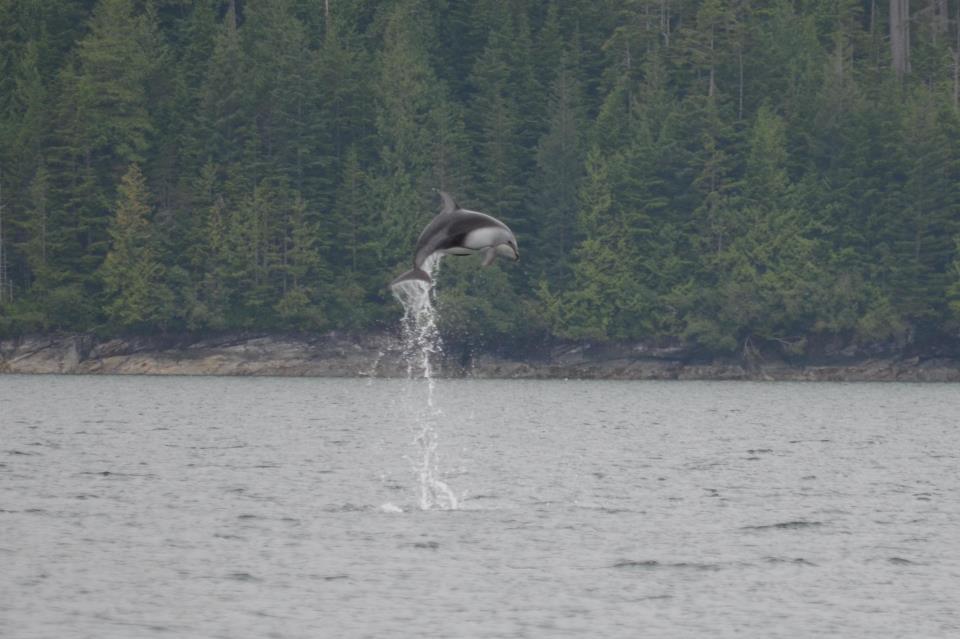
White-side dolphin pod

leaping dolphins
Click to enlarge then click again

Great photo of a pod of pacific white-side dolphins which frequent the waters of British Columbia’s coast. The average pod size for pacific white-sided dolphins is 10-100, but they can be found gathered in pods of thousands of individuals. These dolphins commonly leap (breach) and somersault and may also ride the bow and stern waves created by boats. This photo shows the dolphins surging forward as a pod as they search for food (herring) along the shore.  While engaged in this activity they travel at about nine miles an hour but have clocked speeds of up to 25 miles per hour.