Grizzly Bear and Wildlife Tour Blog

We offer an exceptional fly-in lodge for Grizzly Bear Watching and Whale Watching in British Columbia.

Learn about What’s happening at the Lodge, view our British Columbia’s Wildlife Report, read our Grizzly Bear Watching Blog and Whale Watching Blog. Learn more about a Day on the River Blog, see Our Tour Guide’s Photos & Blog and  Photos from Our Guests.

Trapper Rick Visit

Trapper Rick's CabinPath to cabin

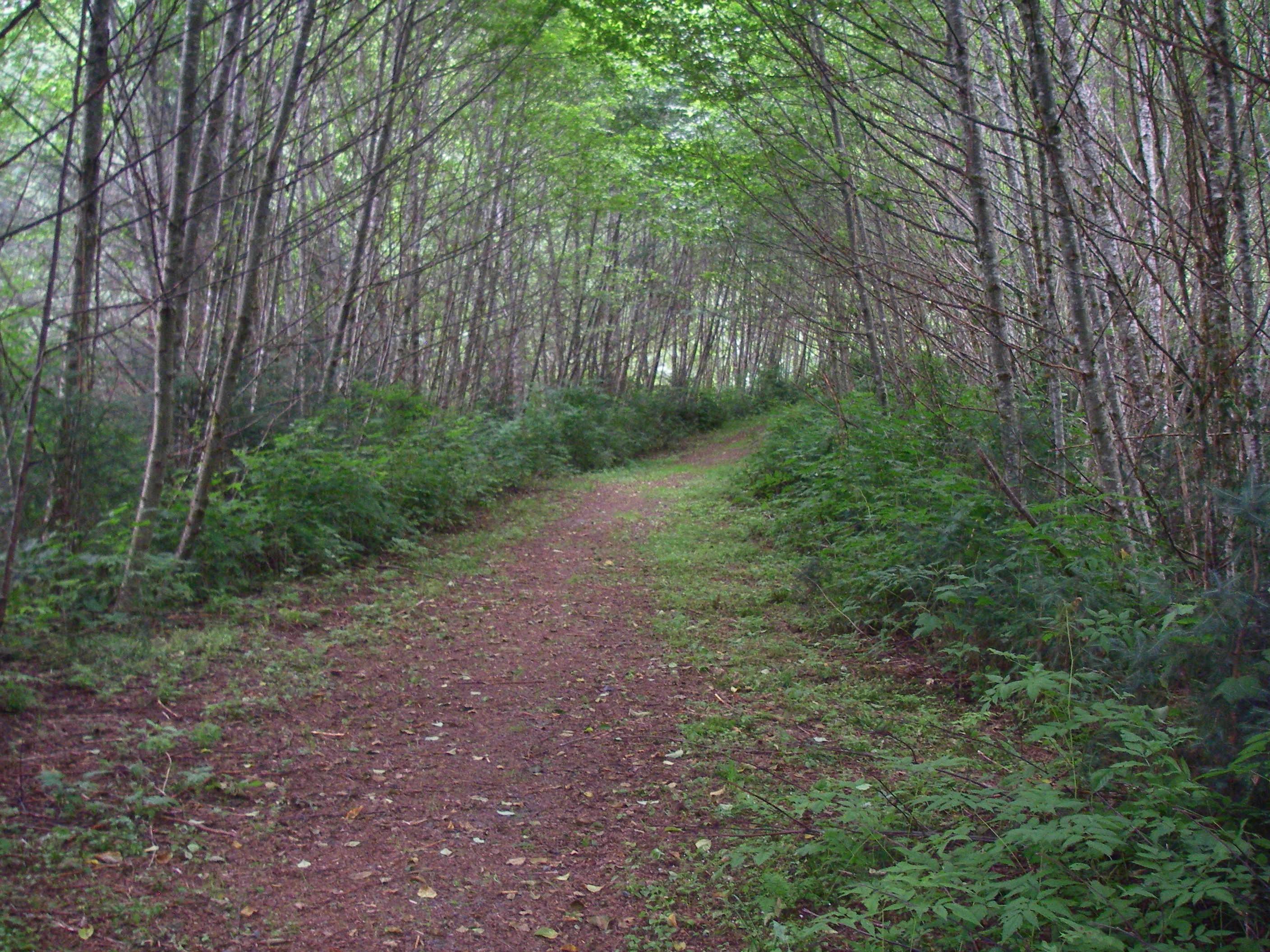
If you stay the extra day at Grizzly Bear Lodge you visit The Trapper on the Kakweikan River at the head of Thompson Sound.  Rick has lived and trapped in the area over the past twenty years and has a passion for the area and the grizzlies of “his” river valley.  Few people outside of our guest visit the area as it is not open to public fishing therefore access to the area is limited. The first photo is the view from front deck of Rick’s cabin where it is not uncommon to see grizzly feeding below the falls.  The second is the approach to the cabin through a trail covered by a canopy of alder trees. The main concern of walking the trail is to avoid stepping in the bear scat.


Hungry Grizzly Bear

eating a salmon
Click to enlarge then click again

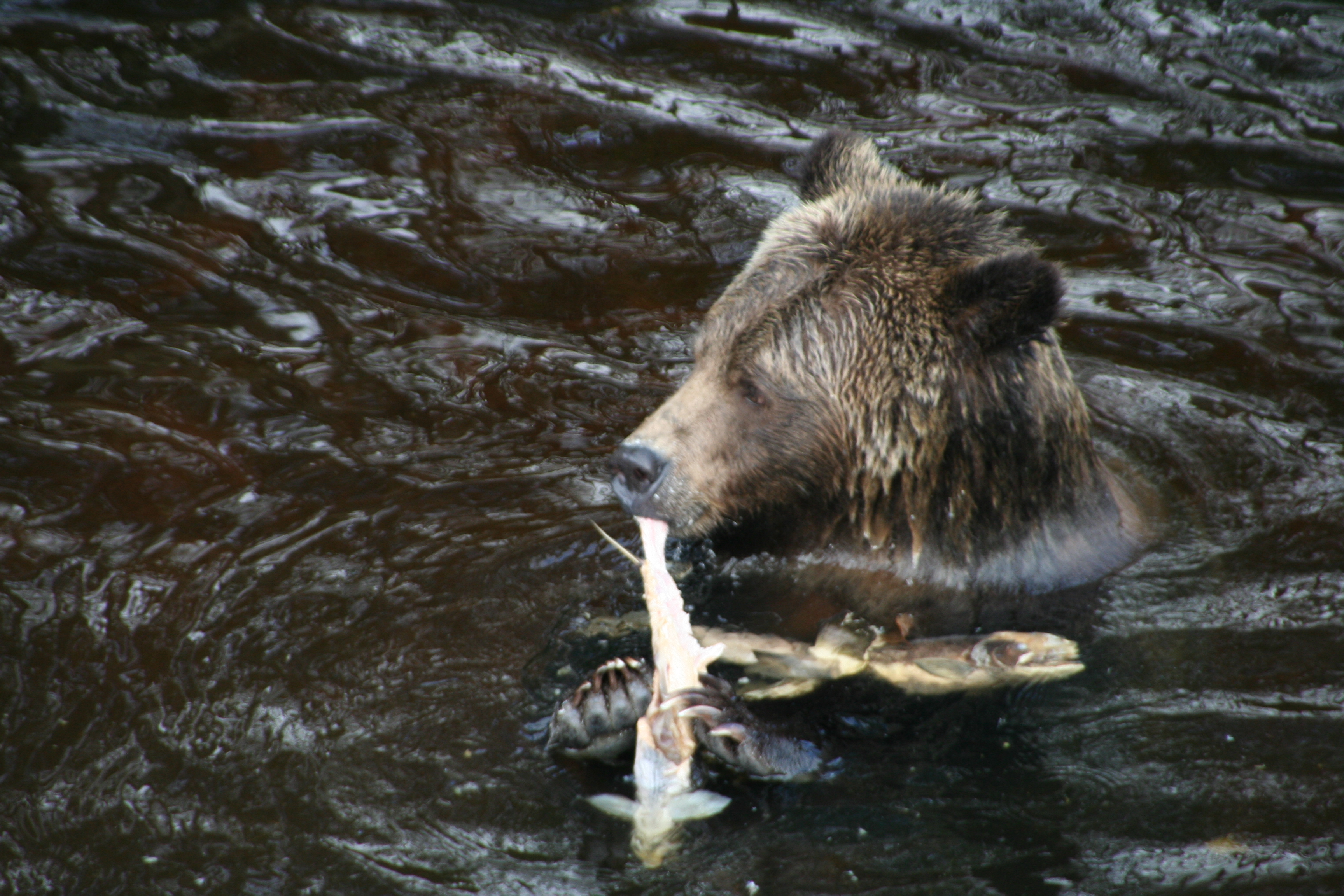
This is a photo from early October.  The salmon the bear has are not the silver of fresh august salmon more than likely they have been picked off the bottom of one of the deeper pools at the entrance to the salmon spawning area. In this case the bear has two, the one being eaten and a stand by in its arms. No need to waste time when the main goal is to put on that last few pounds of fat before all the salmon are flushed out of the river by the fall rains and hibernation is approaching.


Humpback Whale diving

July 23 Humpback whaleHumpback whale dive


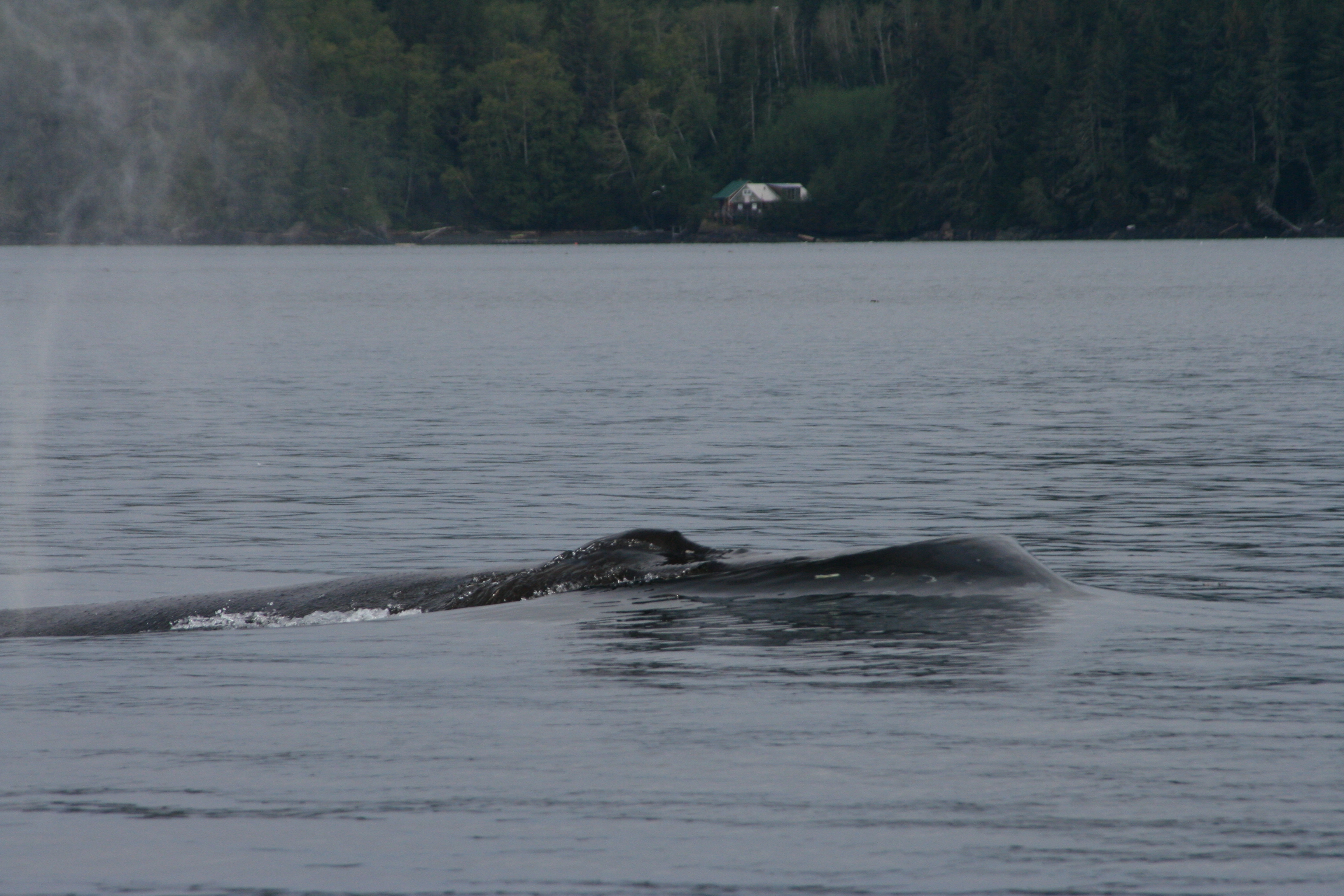
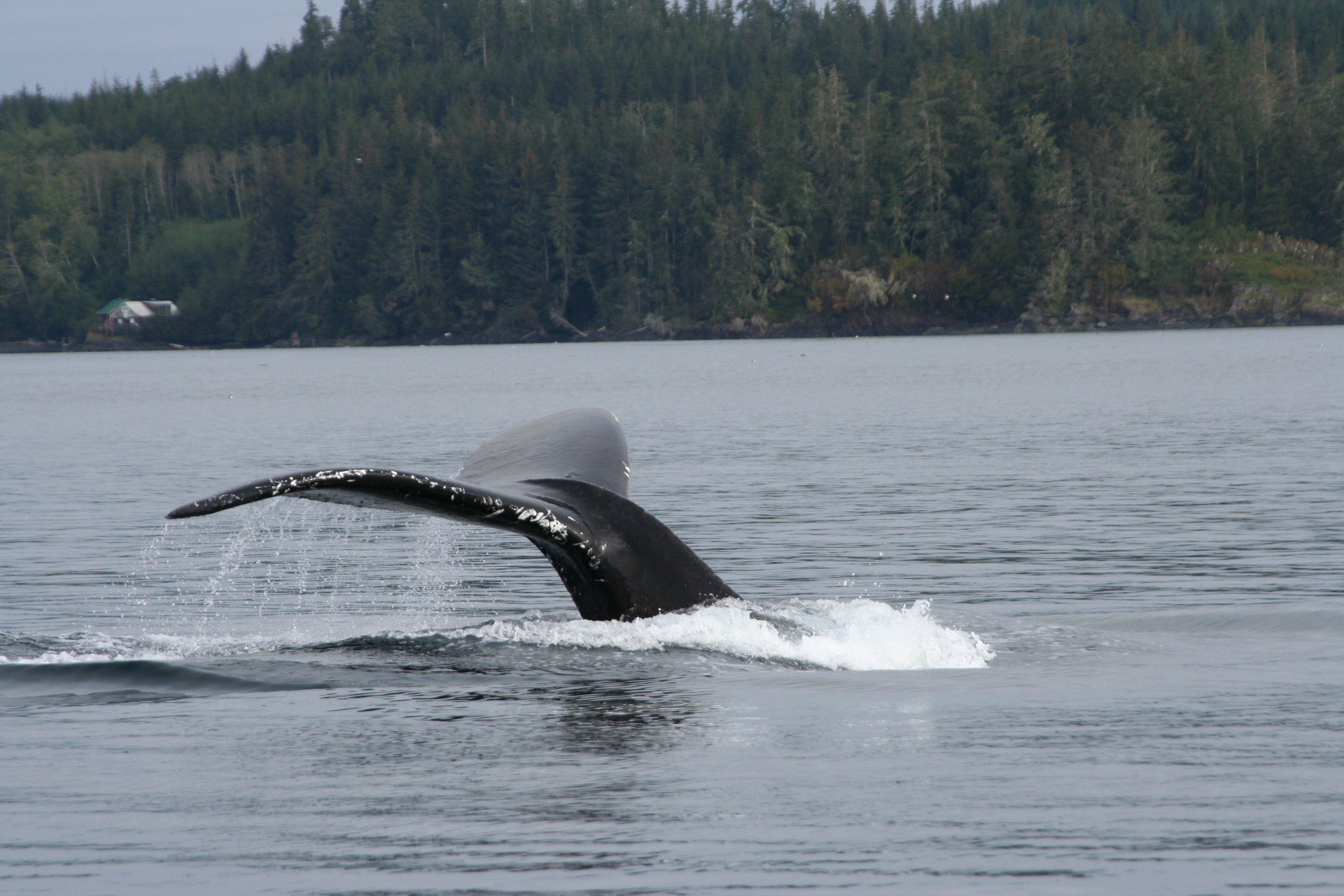
A good sequence of photos showing a humpback whale about to dive. While on our whale watching safari one of the photos guest want, beside killer whales, is a humpback diving and showing its tail. The tell in preparation for a dive is when the whale’s head comes a little higher out of the water than normal and then one gets the “hump” in the back as it noses down into deeper water, which throws the tail up. The next steps in the guides job is to maneuver the boat to be behind the whale when it dives and a photo of the underside of the tail.

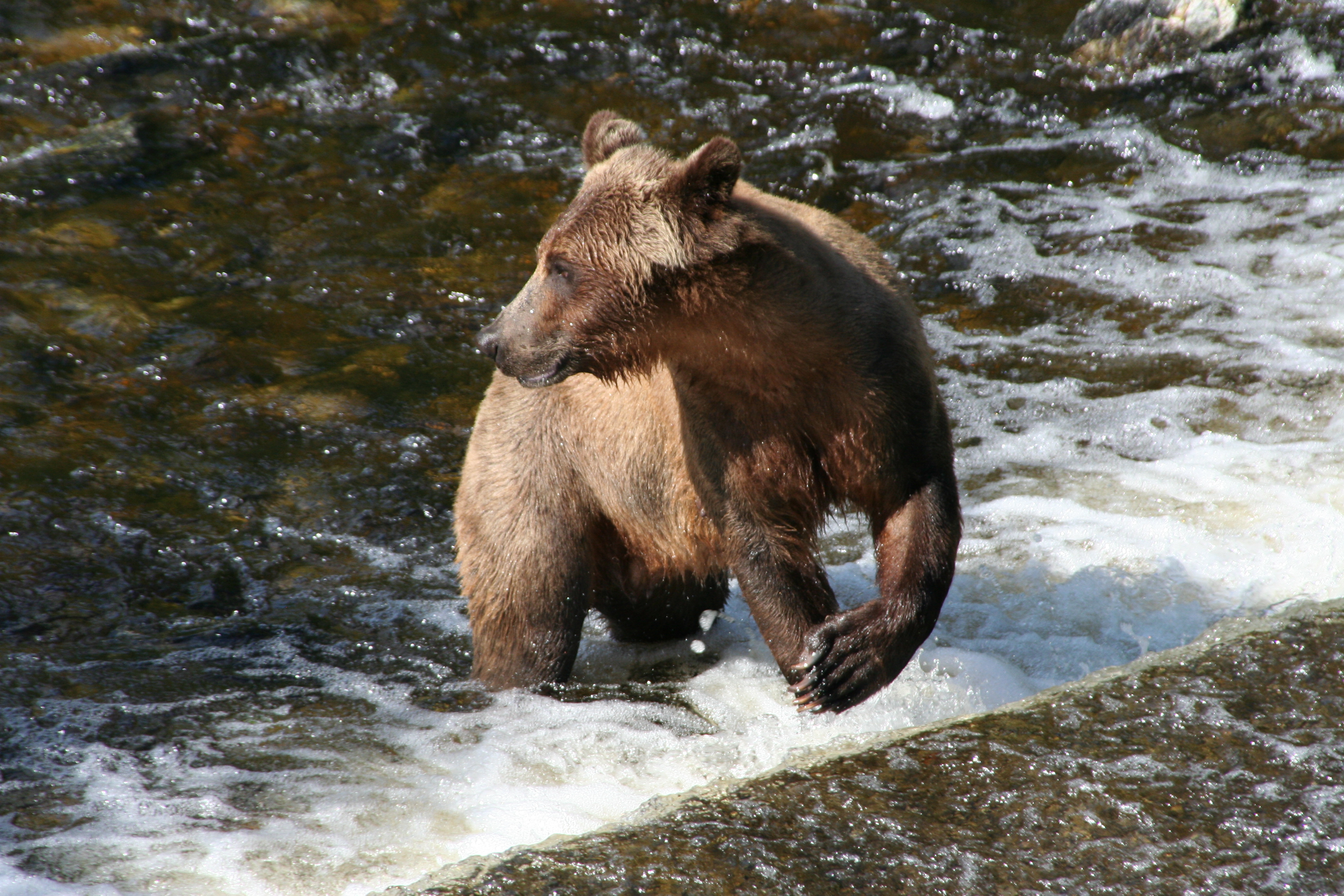
Grizzly always checking over shoulder

Company coming

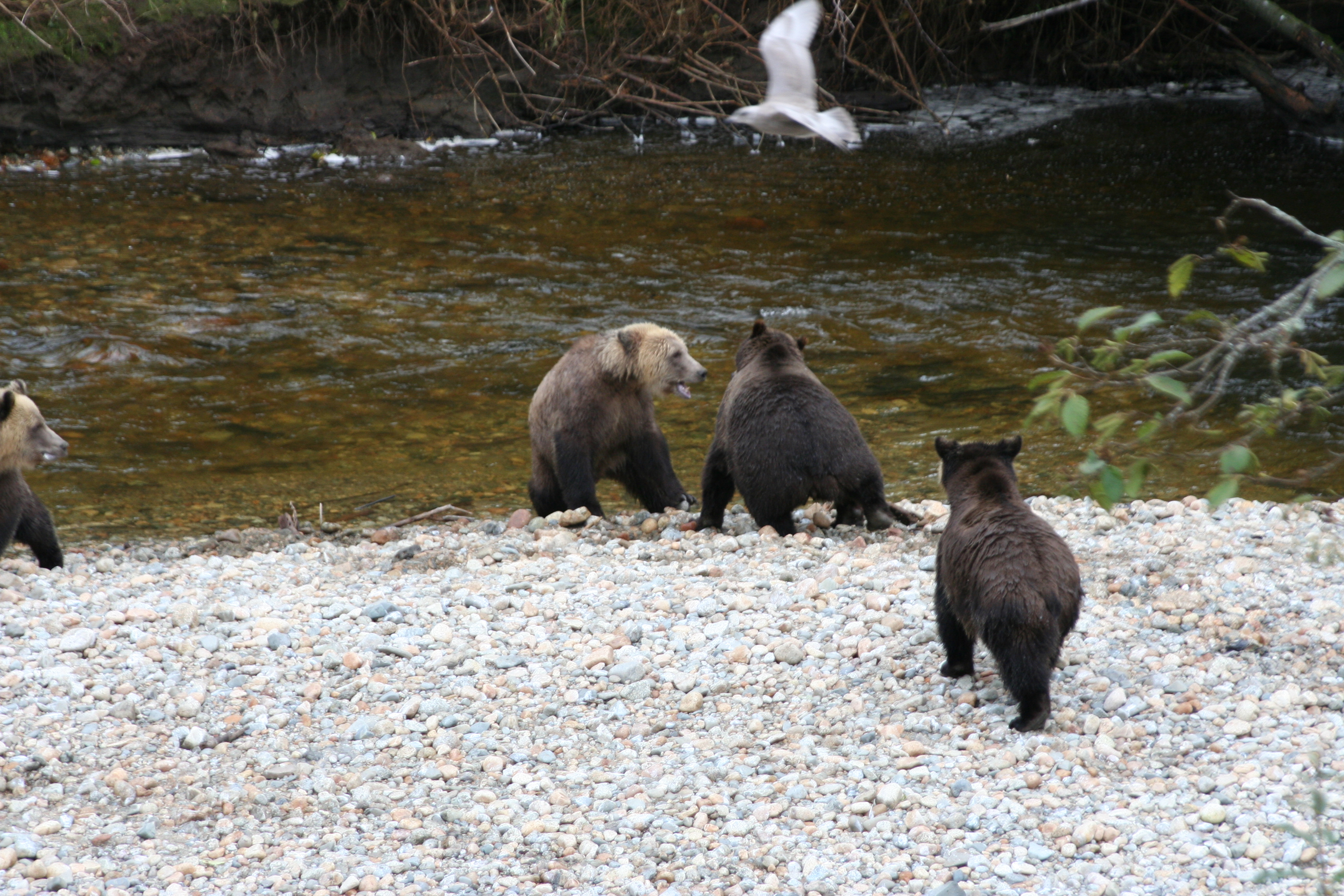
The Glendale River grizzly bear viewing area contains close to fifty grizzly bears but also allot of spawning salmon so the fights for fishing territory are rare and limited to a few growls.  This does not mean that the juvenile bears are not always on the look out for larger males or even mother grizzlies with cubs. These sub-adults are the “in-betweeners” and frequently pushed out of the salmon-spawning channel until other bears have had their meals.

Grizzly bear mother checking on cub

Grizzly cub

Just realized that the photo in this post ties back to the post on July 10 with the mother and cub each sitting on their own rock. This photo could be indicate the cub was complaining and mother came to check or to console because no salmon have arrive for lunch.

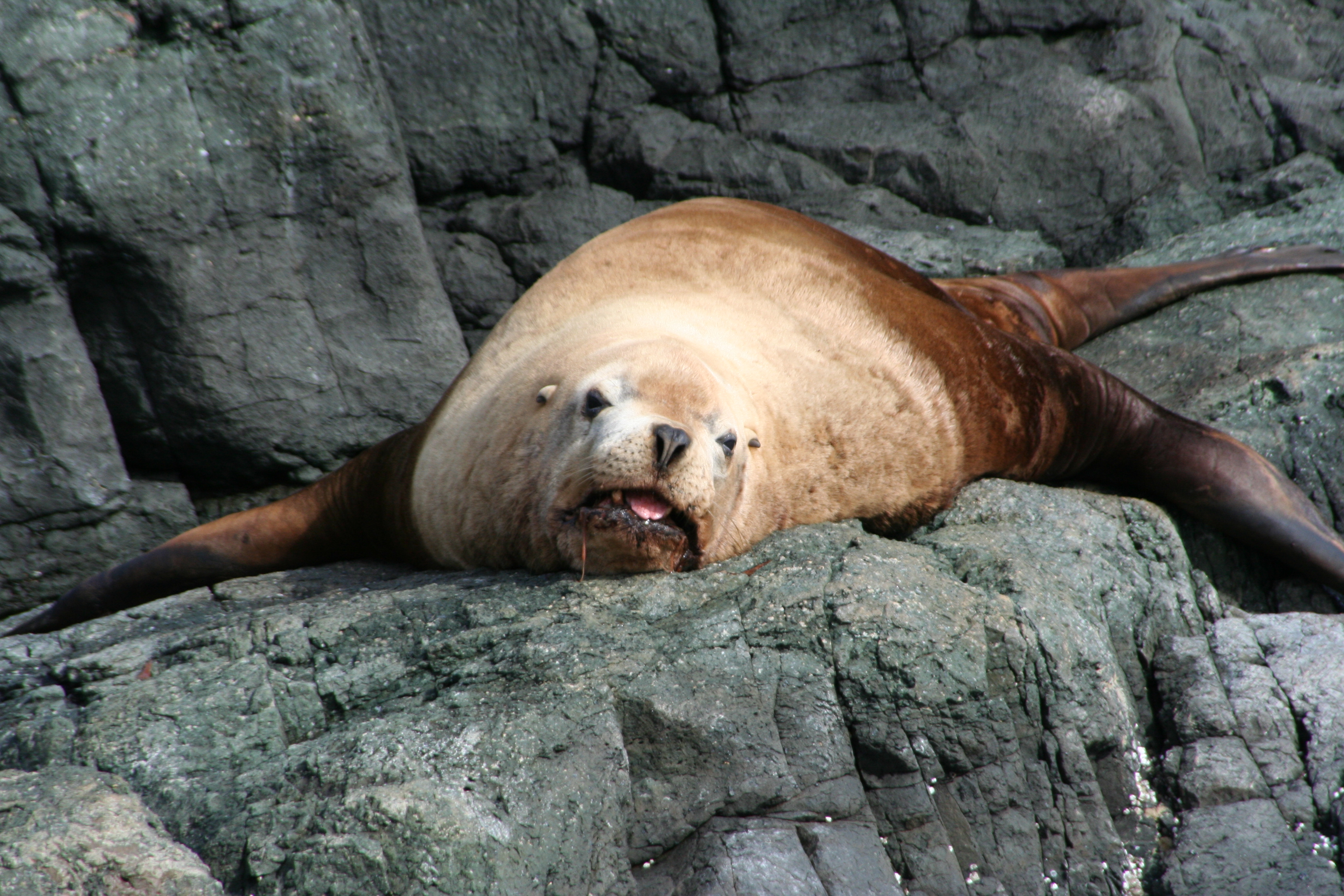
Sea lion resting

Steller Sea lion

It appears that humans are not the only mammals that drool in their sleep.  It may take a few clicks on this photo to have it enlarge but the drool is there. There are several dozen Steller sea lions that spend their summer in our viewing area and most of them are the large older males. There are several small rocky islands in the area of Telegraph Cove that provides a “haul out” for the sea lions. As long as we manage to stay “up wind” they provide a great opportunity for interesting photographs.

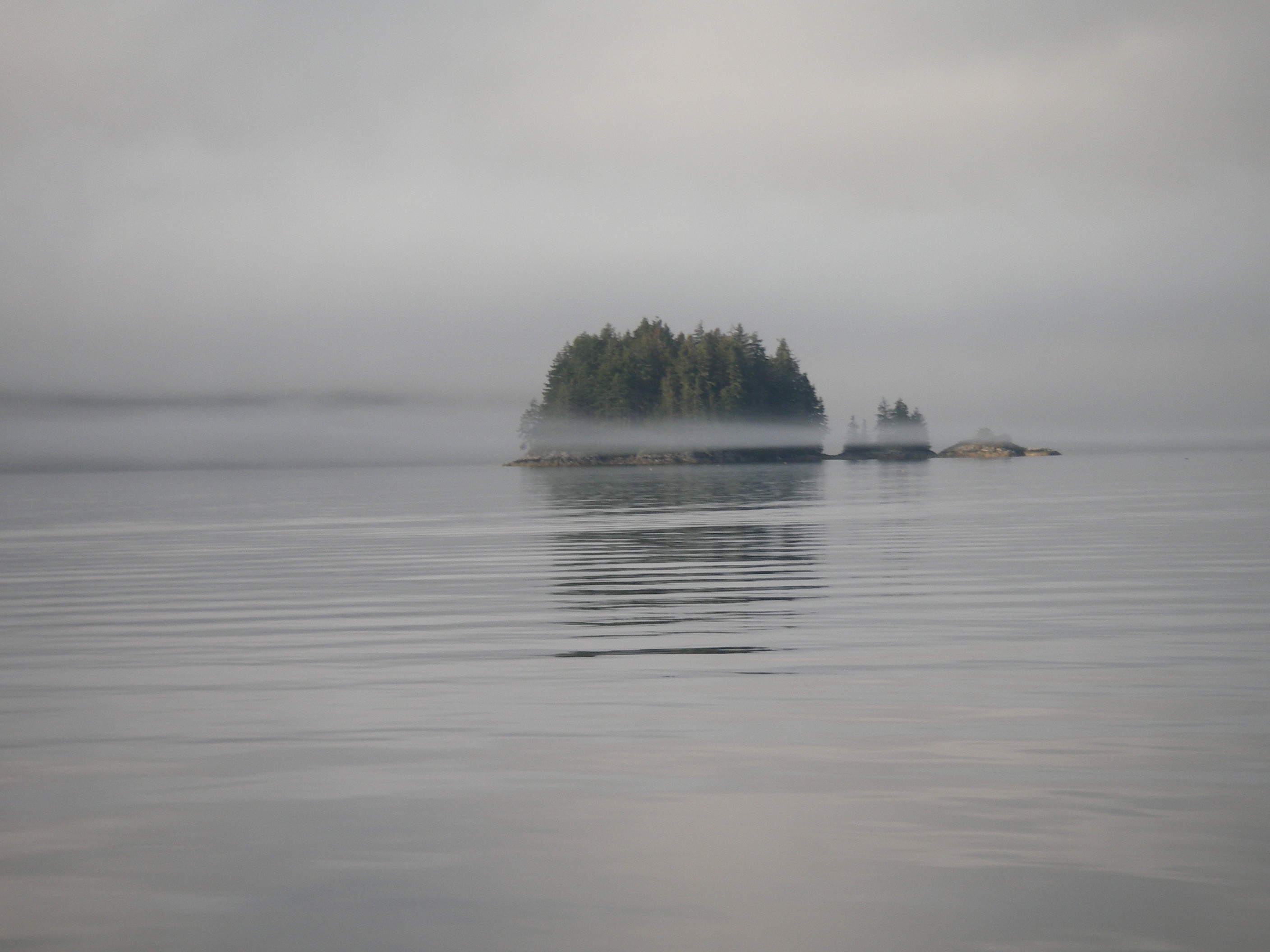
Photogenic island

 Island scenery

The area we travel between the lodge on Minstrel Island and the Johnstone Strait area where we whale watch occasionally has low cloud (fog).  Most days it is clear by the time we reach the Straits but if not it is gone by noon. This being the reason your guides each have a GPS with programmed routes, which made it a safe trip. These conditions do make for some interesting photography and this island is often in the pictures.  I have learned over the years that the scenery in our area is considered “breath taking” by most of the guests and I still marvel at the variety of photos the guests share in the evening as they sit in the lodge’s common area.

Pacific white-side dolphin “Nose Dive”

Dolphins

We view pacific white-sided dolphins both in Knight Inlet on our grizzly bear tour as well as when whale watching in the area of Johnstone Straits.


Vancouver Aquarium’s AquaFacts provides the following interesting facts on their website:

“Pacific white-sided dolphins are found throughout the temperate waters of the North Pacific Ocean from Japan to North America, and from the coasts of Alaska down to Baja, Mexico.In the entire North Pacific, there are estimated to be approximately 900,000 Pacific white-sided dolphins. Dolphins travel in groups throughout their lives. In B.C., Pacific white-sided dolphins are usually encountered in groups of 10 – 100 animals, although some groups have been seen with 2,000 or more individuals.

Pacific white-sided dolphins eat herring, capelin, Pacific sardines, squid, anchovies, salmon, rockfish, pollock, hake and other small fish.Transient killer whales and sharks both eat Pacific white-sided dolphins.

When the dolphins first came back to B.C. waters, it took the killer whales a couple of years to figure out how to catch the fast-moving dolphins. Some killer whale pods drove groups of dolphins into small bays and killed them en masse but this behaviour is no longer as common, suggesting the dolphins have learned to avoid this trap.”

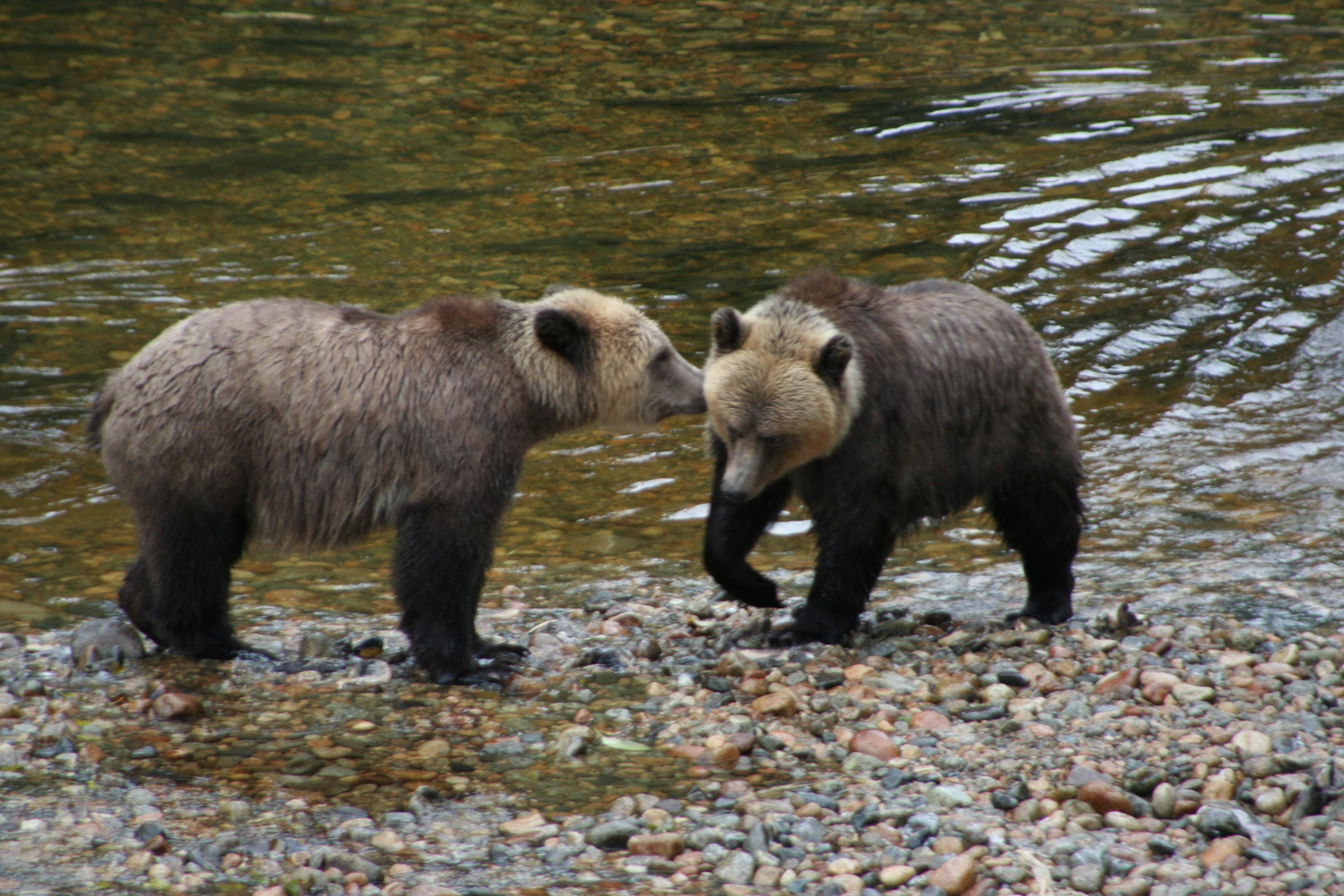
Grizzly family concern

grizzlies kissing
Click to enlarge then click again

From yesterdays post a concern between mother and offspring.  Family ties are strong while mother and cub are together for their first two years. It is not hard to see the family genetic in play with the colouration of these two blond-headed bears.  The size difference between mother and cub mean that this will be the last year for this cub to spend with mother. It will soon be on it’s own and it will be necessary to fight for a fishing spot on the river.

Grizzly bear family in acton


Grizzly Bear FamilyTwo mothers each with two-year-old cubs try to determine fishing rights on the Glendale River. These confrontations do not lead to serious fighting as there are far to many salmon to risk injury. Unlike grizzlies in the northern parts of BC and Alaska our area has an abundance of salmon compares to the number of grizzlies. The grizzly population is estimated to be close to fifty bears in the Glendale viewing area.  These bears to not exhibit the scars of old injuries as the northern bear’s bare.  A little roaring and few false charges and the bears seem to be satisfied and go back to fishing. But it is still exciting and great for pictures.