
Grizzly yawning
We offer an exceptional fly-in lodge for Grizzly Bear Watching and Whale Watching in British Columbia.
Learn about What’s happening at the Lodge, view our British Columbia’s Wildlife Report, read our Grizzly Bear Watching Blog and Whale Watching Blog. Learn more about a Day on the River Blog, see Our Tour Guide’s Photos & Blog and Photos from Our Guests.
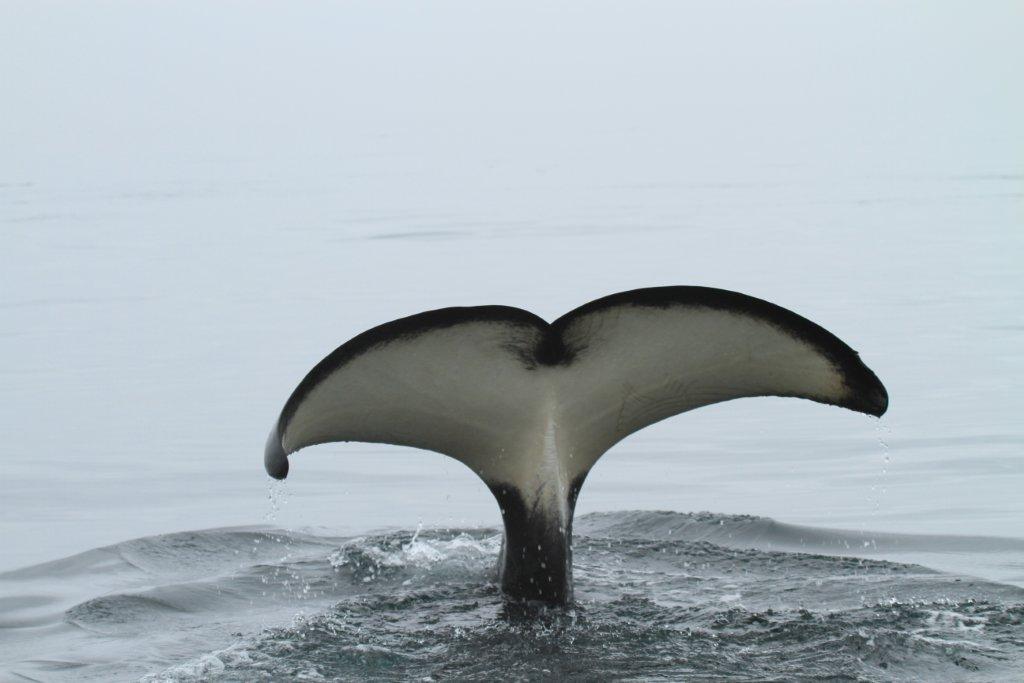
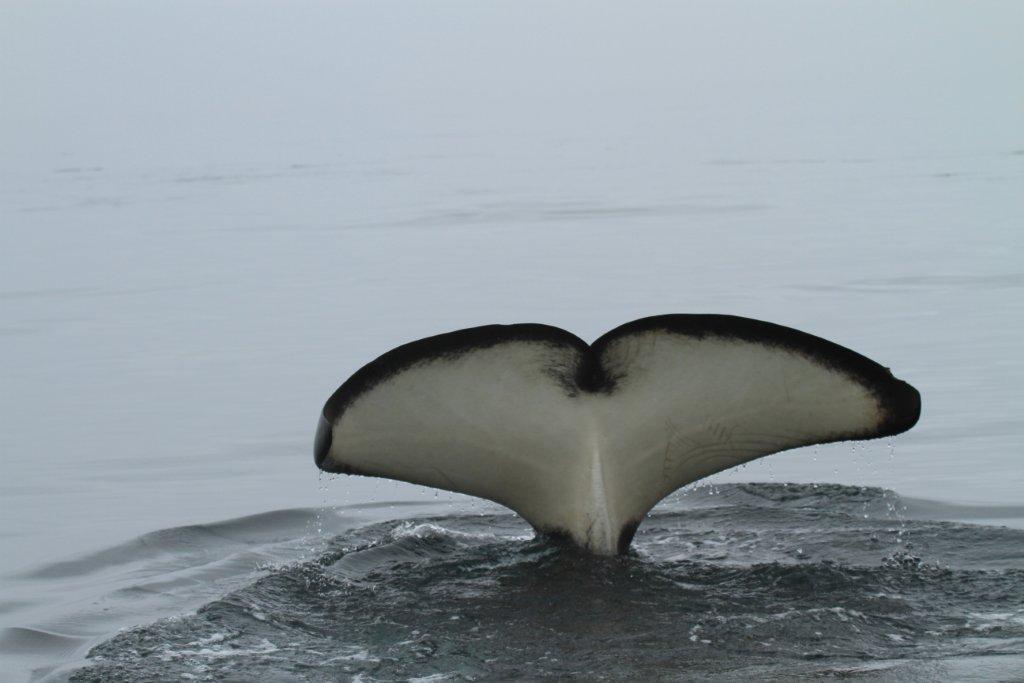
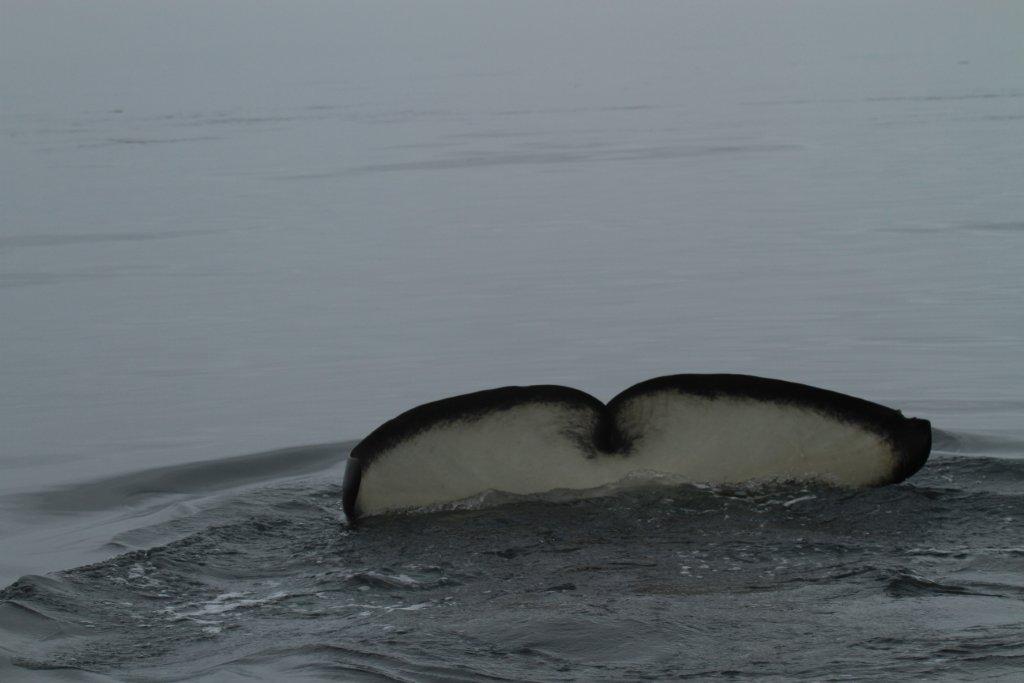 Continuation of yesterday’s post. Can’t think of a thing to add just enjoy?
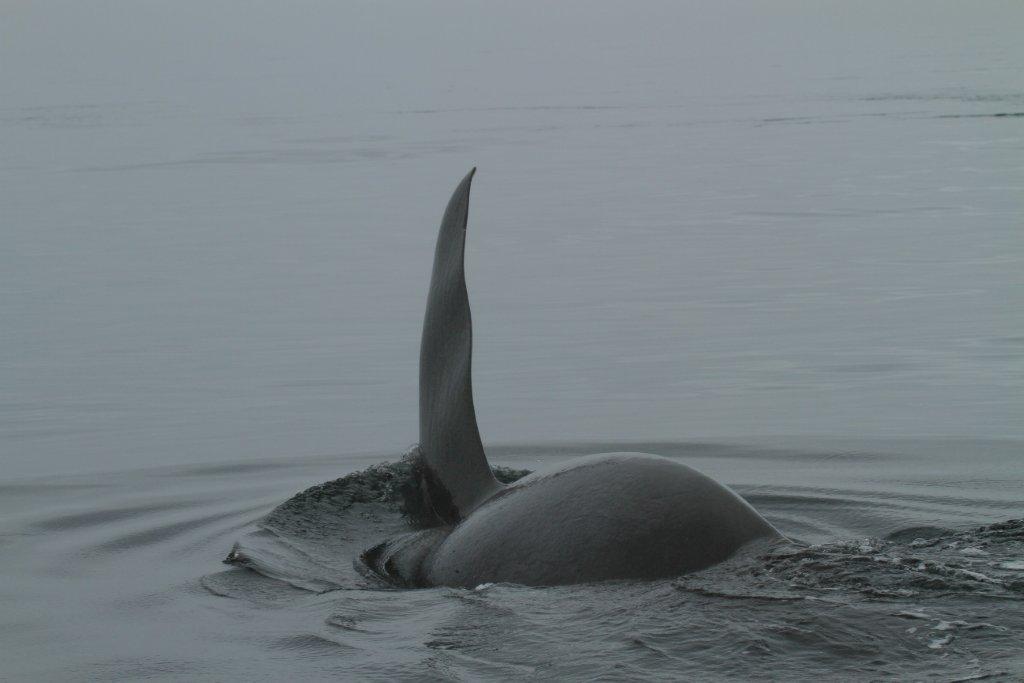

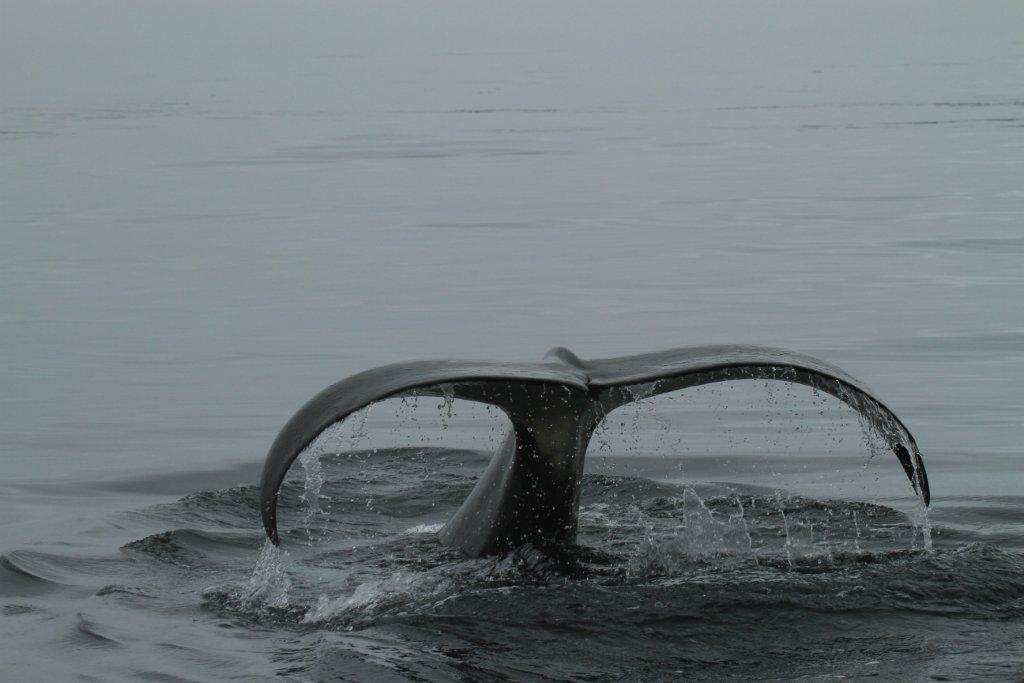 One of my favourite sequence or photos provided by Rob White from Australia. I told him I had to have a set of the photos and was so happy when he obliged with an email. The sequence shows an orca aka “killer whale” passing close to the boat and a guest with a good eye and a fast finger. I have never seen another set of photos like this and I have had many guests over the past twelve years.
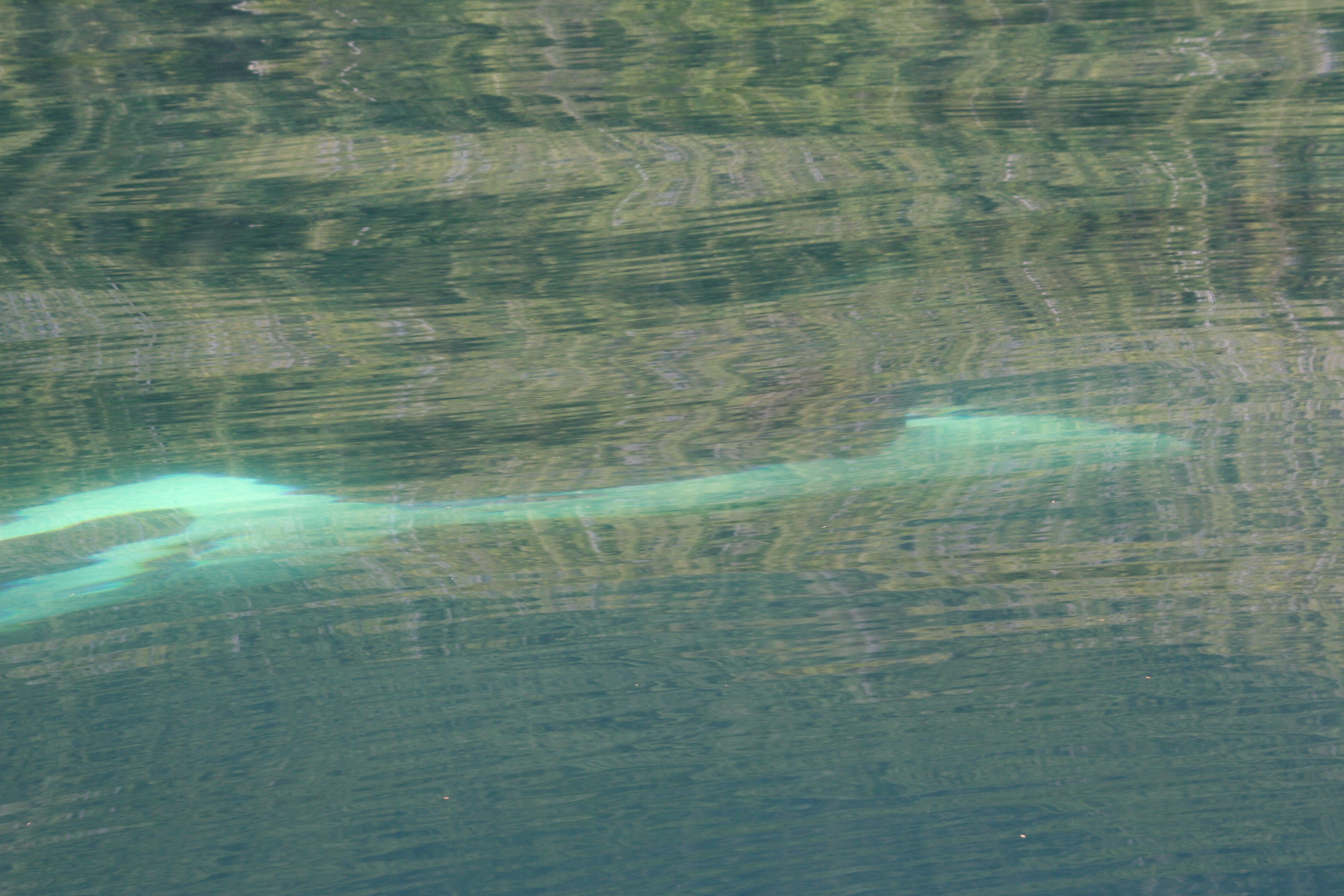 Sitting and waiting is often one of the best strategy during a whale-watching safari. Orcas like their cousin dolphins are curious and will often approach a boat if it is stationary and quite. This orca is on its side looking at the boat as it passes by if it weren’t its dorsal fin would be visible above the surface. Not an every day occurrence but often enough to get good pictures.
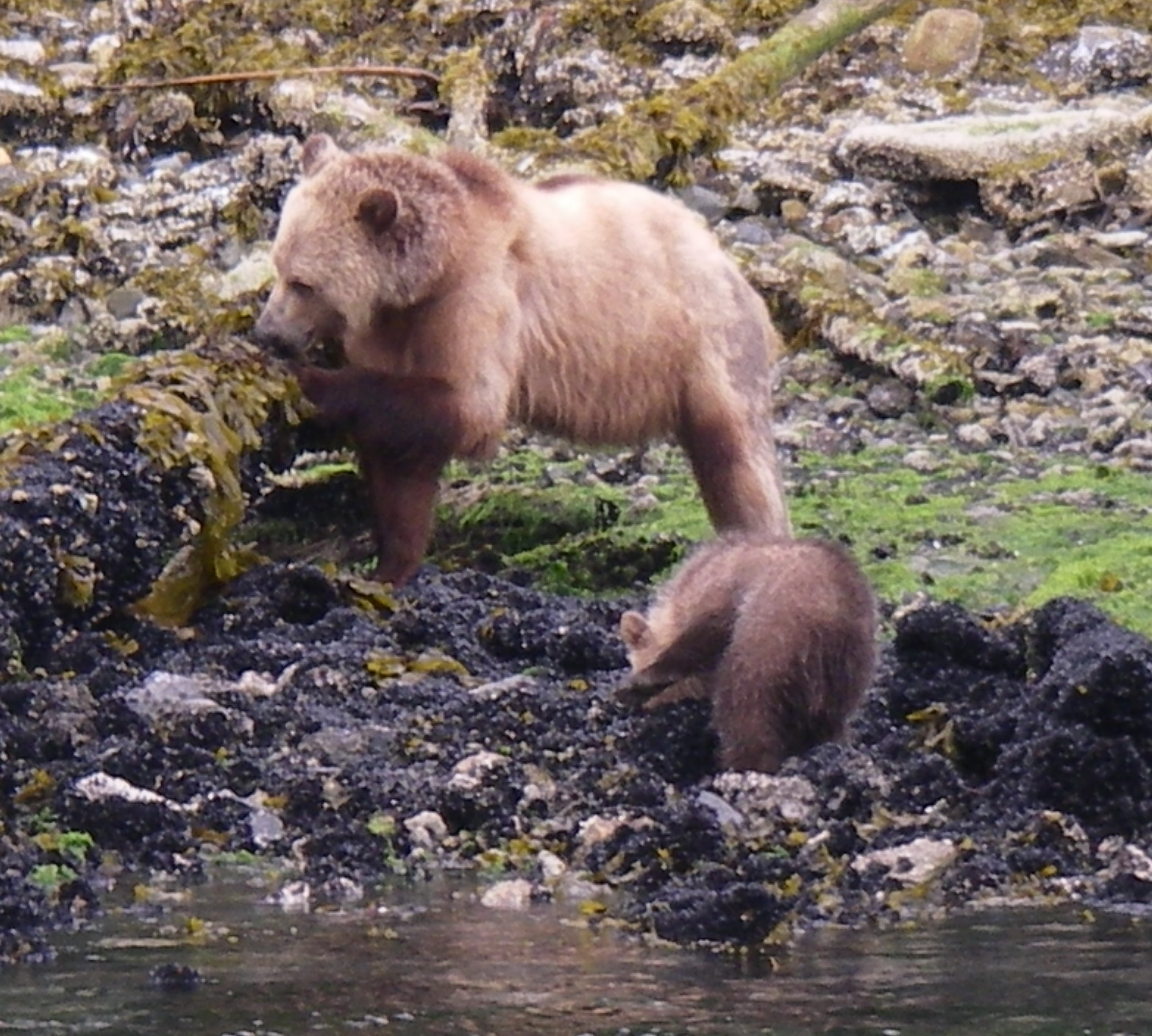
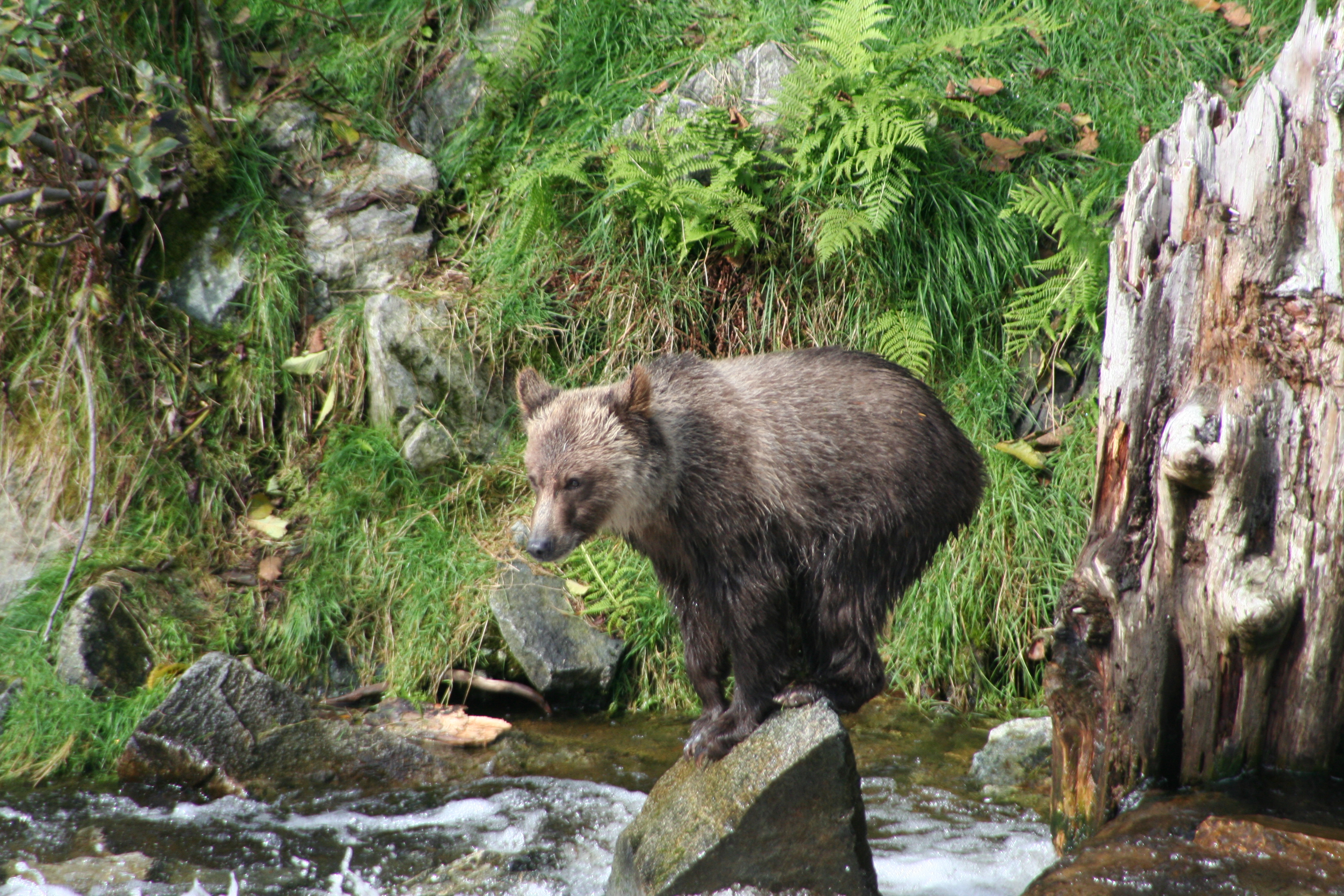 This photo taken in late September shows a seven month old grizzly cub waiting for mother to provide lunch. It would be lunch as our time on the viewing stand on the Glendale River is between ten and noon. Mother cannot be to far away because at this age the cubs do not leave their mother side for very long. Mother will be close by fishing for the pink salmon that have come into the river to spawn. There are several rocks in this part of the river that are favourite perches for the hungry cubs.
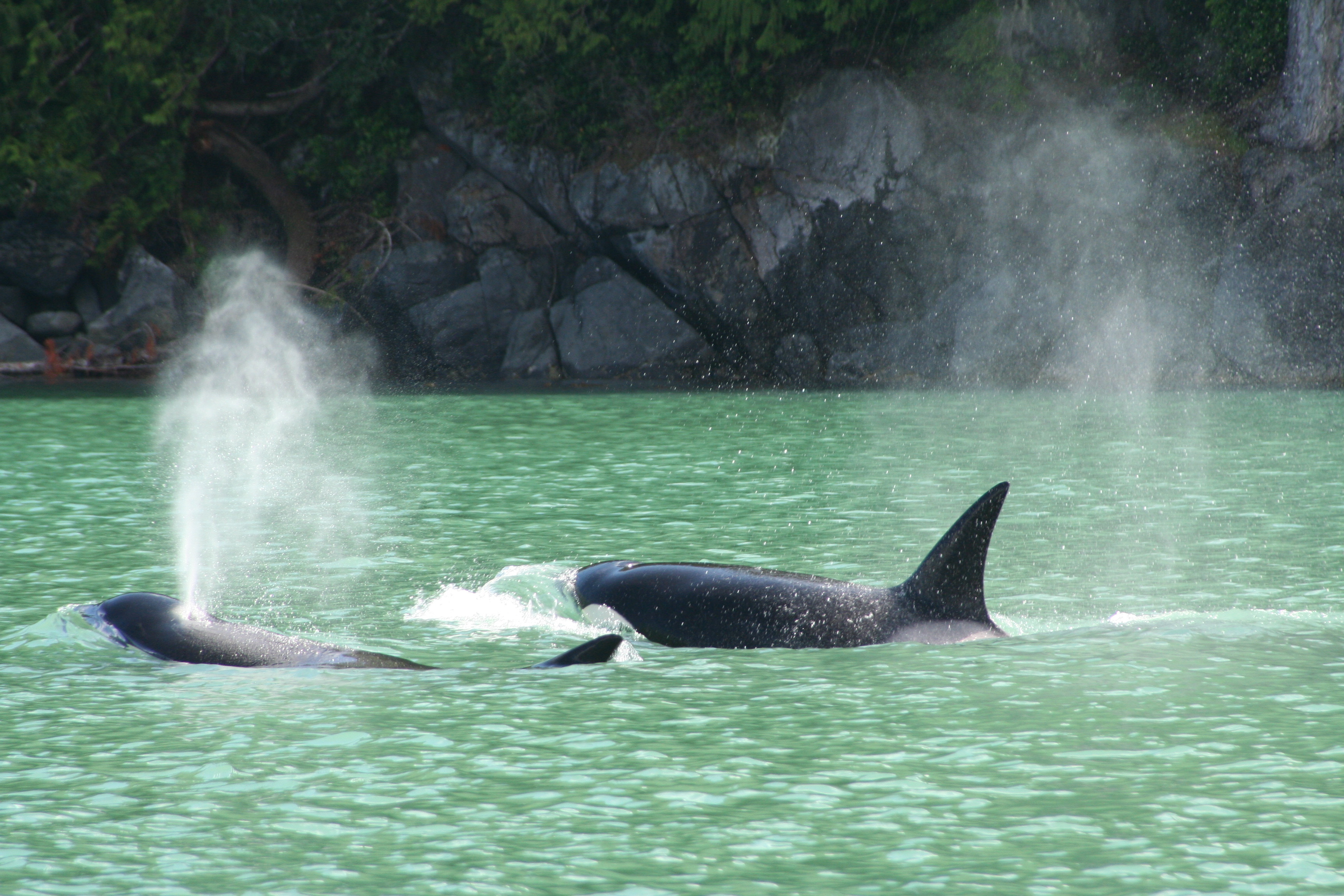 Blackfish, aka Orca, or more commonly, killer whale – a creature that inspires awe in BC boaters. “Blackfish” is what the coastal Kwakwaka’wakw band (First Nation’s peoples) the original inhabitants of the Northern Vancouver Island area in British Columbia called the orca. In fact one area most frequented by the orca is known as Blackfish Sound. However, this photo was taken in Knight Inlet as indicated by the colour of the water. Knight Inlet is fed by fresh glacial water and this “floats” on the salt water. The rock flour, or glacial flour, consists of fine-grained, silt-sized particles of rock, generated by mechanical grinding of bedrock by glacial erosion. Those rock particles or glacial milk refract the green spectrum of the sun’s light so it appears green.
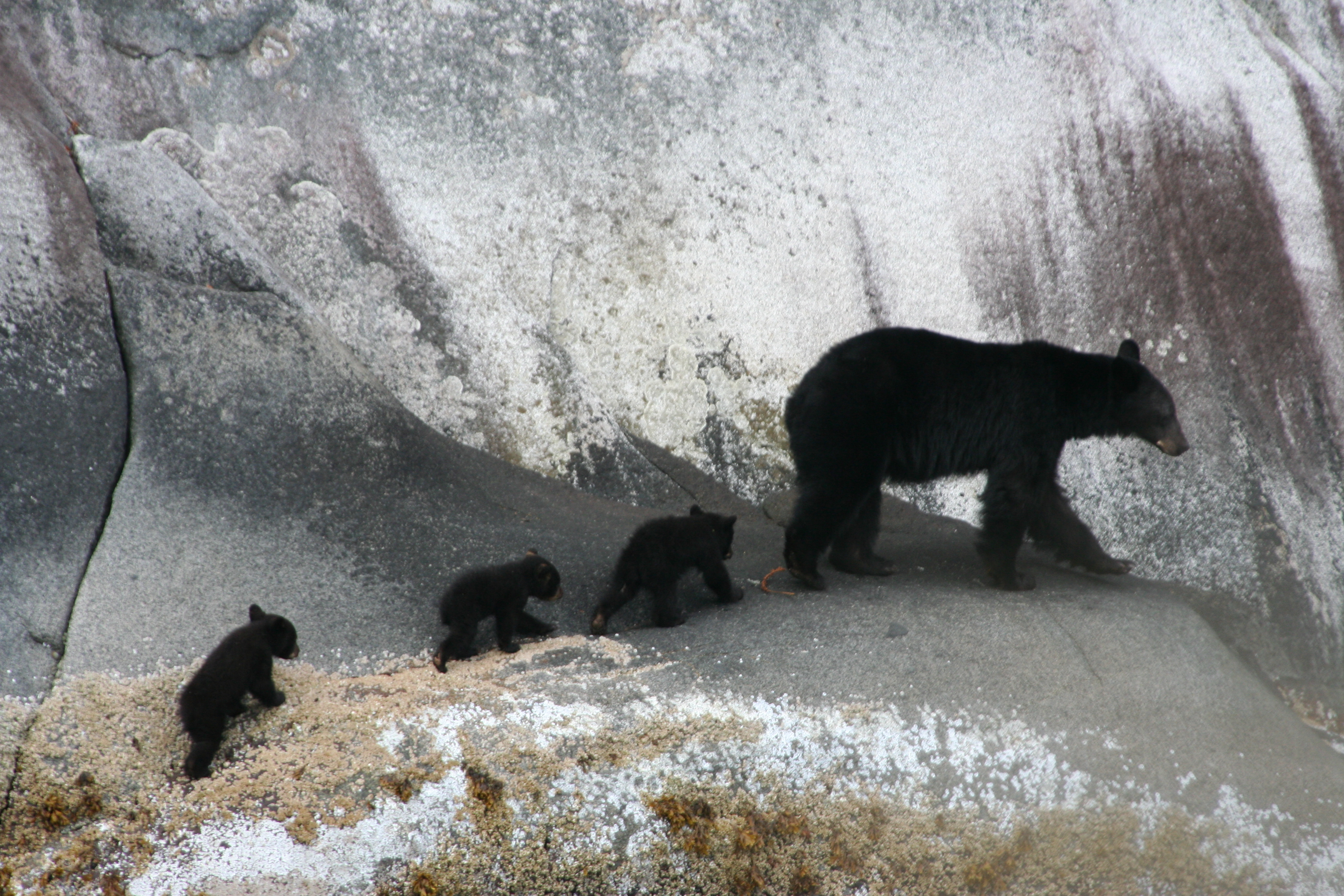
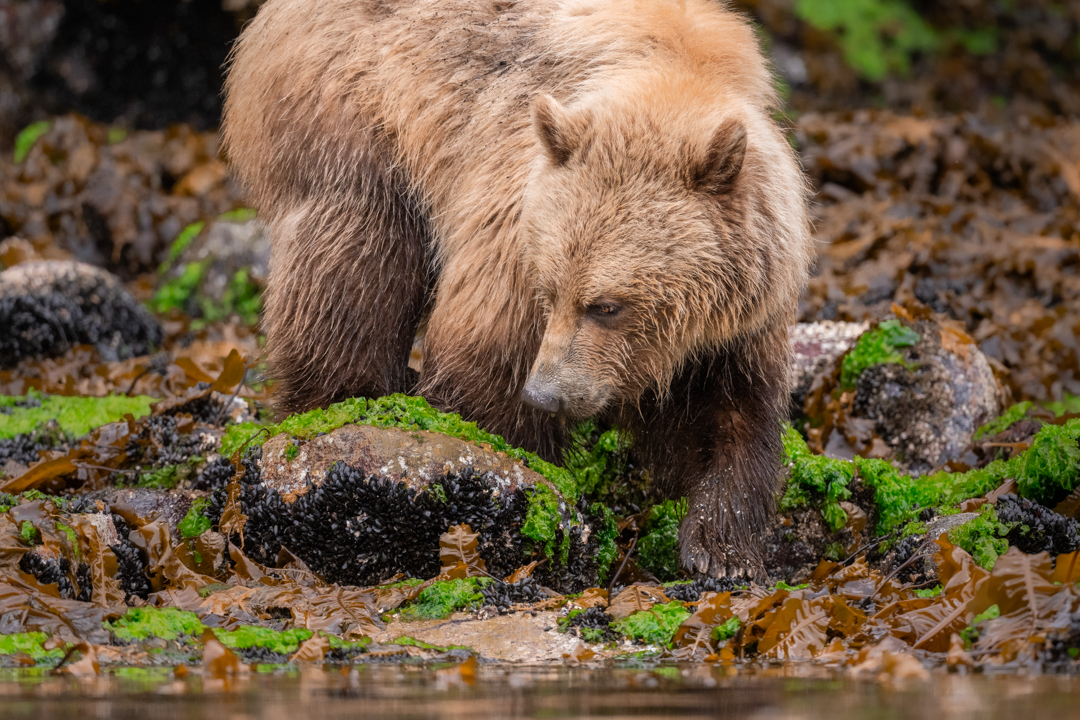
Just like that another season has come to an end. We are grateful for all the wonderful staff and the guests this season. It was an excellent season and we are already looking forward to next May.
One of the highlights of the season was all of the new cubs out. It was awesome to see so many new cubs of the year and that is great news for our bear populations moving forward. We had great spring viewing and this continued through summer. On our river trips we started to see salmon arriving in August and enjoyed some great shoulder season viewing. The fish at the viewing platforms were a little late showing up this year, but viewing during late September at the platforms was great and the estuary viewing remained strong throughout the season.
Out in the whale watching world it was another year that saw large numbers of resident Orca who remained in the area right into October. The Humpback viewing was also great with large numbers feeding in Blackfish Sound. It is so amazing to have these magnificent animals back in our waters in such numbers.
Over the winter and spring we will be doing some repairs and maintenance. We rebuilt the front deck last spring, utilising cedar cut on site. We will continue with some siding, rooms improvements and hopefully a floating sauna ready for the start of our season.
2026 is already looking like a very busy season for us. We only have limited high season availability so please book early to ensure we have space for your group.
Looking forward to seeing you next year
Angus Reid
Visit our Blog